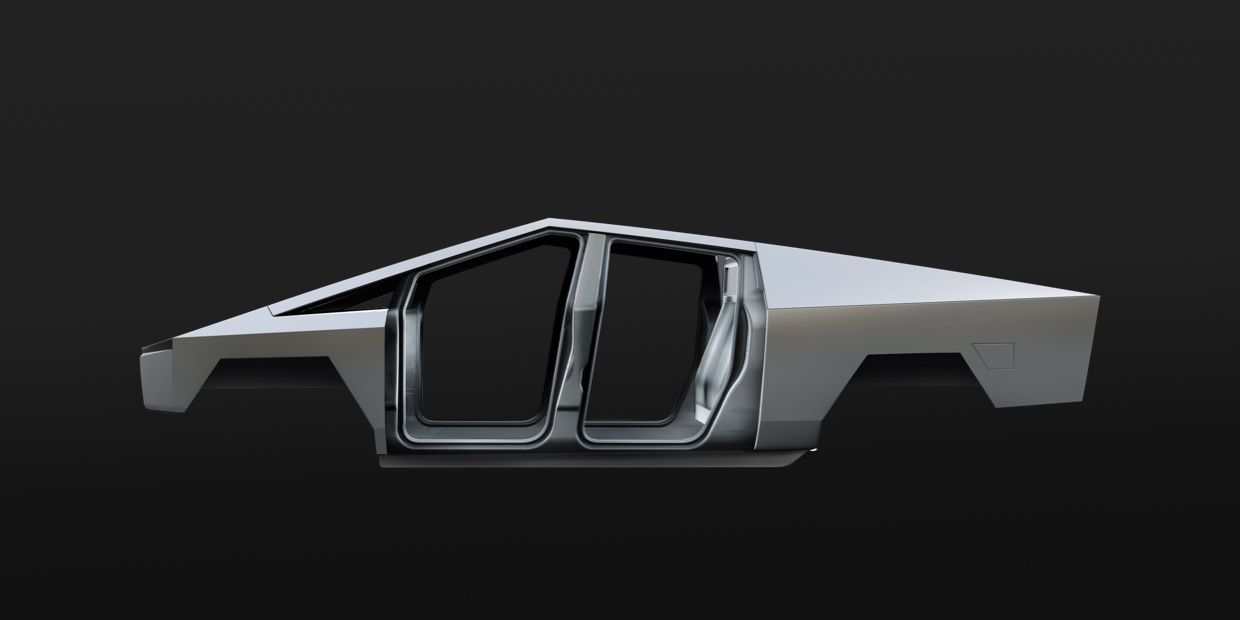
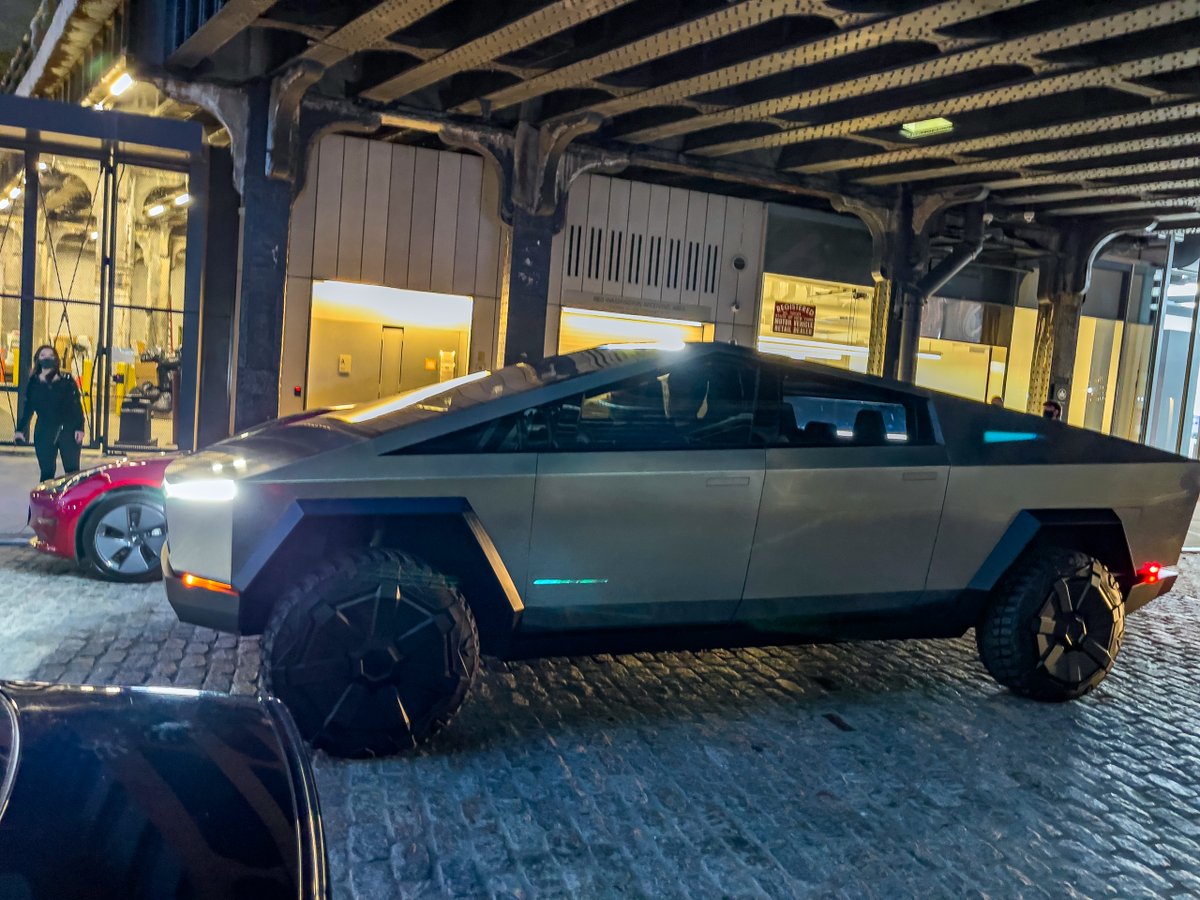
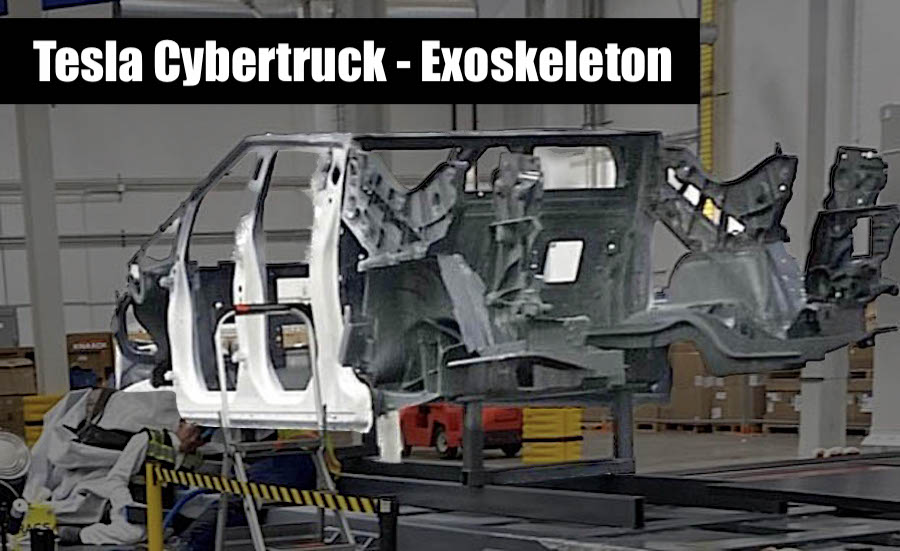
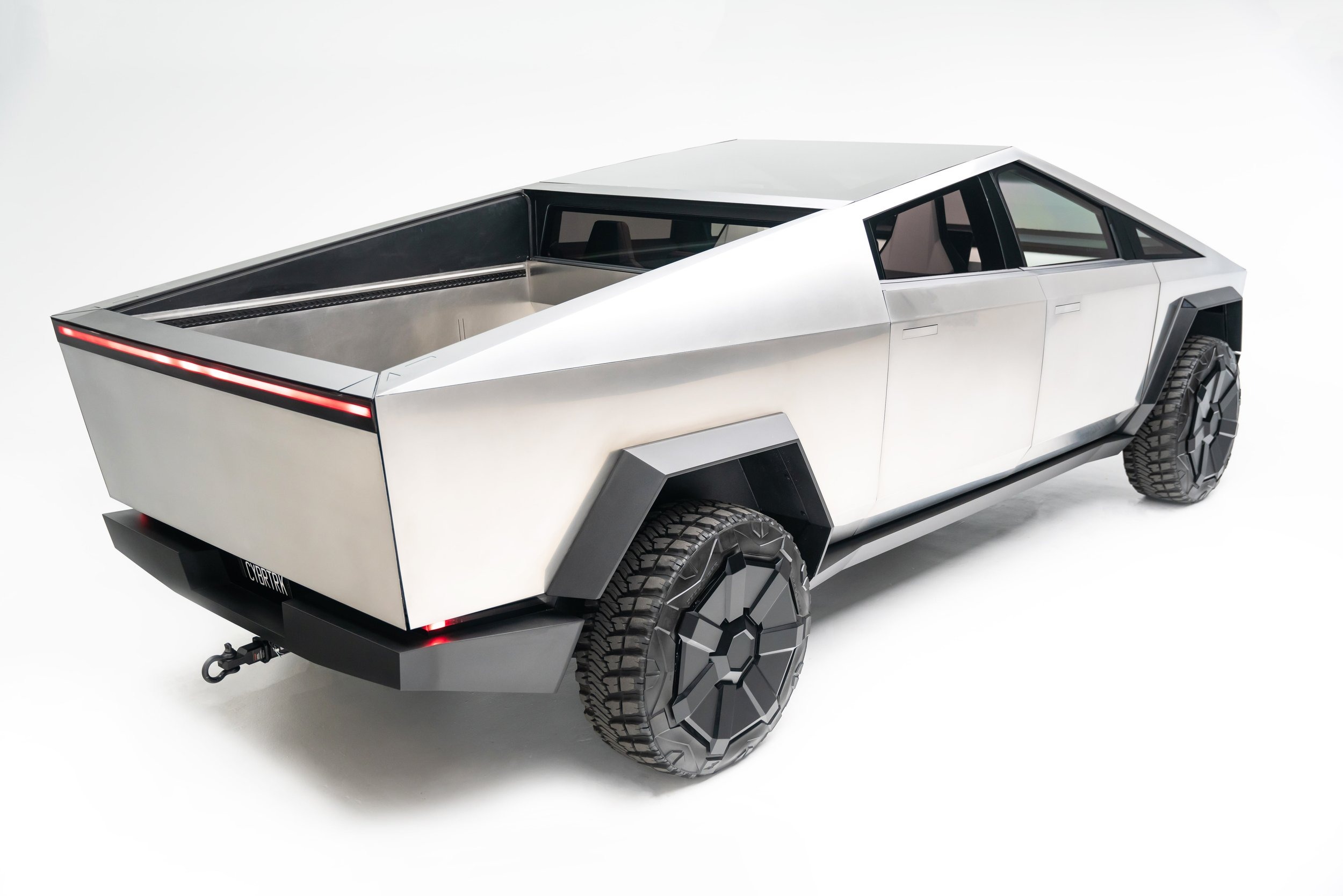
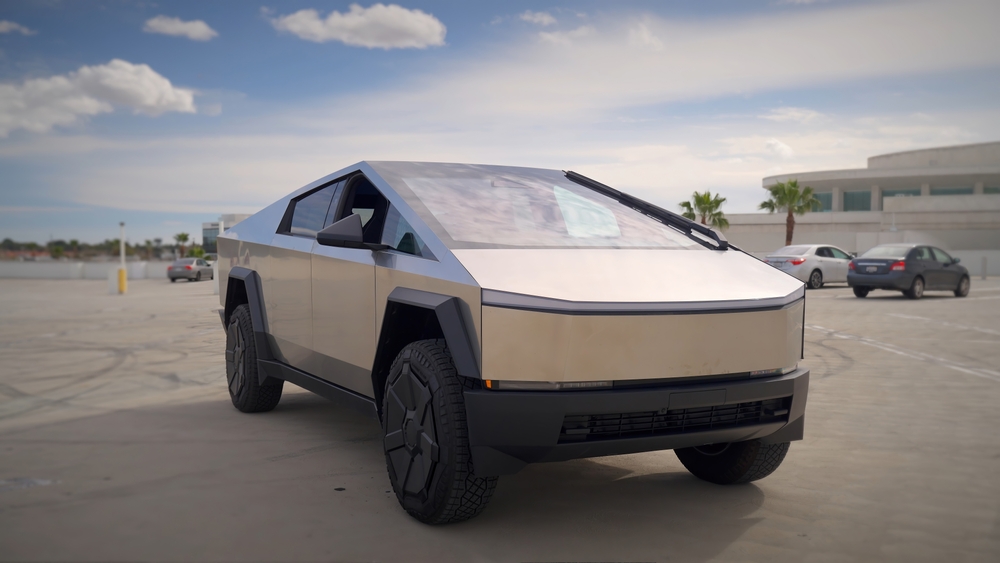
The Tesla Cybertruck has been making headlines since its unveiling in 2019, not just for its polarizing design but also for its revolutionary exoskeleton. This outer shell, composed of a unique stainless steel alloy, is at the heart of the Cybertruck's promised durability, security, and overall futuristic appeal. Understanding the material science behind this exoskeleton is crucial to grasping the potential, limitations, and long-term impact of this unconventional vehicle.
The Promise of Unbreakable Steel
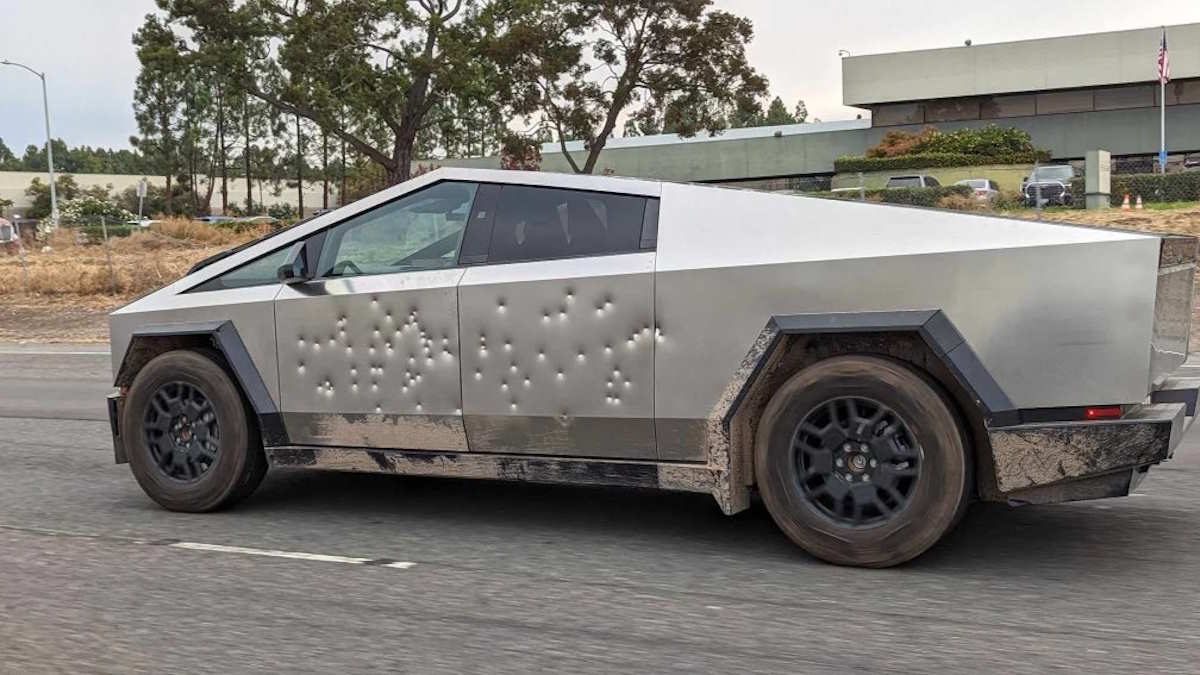
At the Cybertruck's debut, Elon Musk famously touted the vehicle's body as being bullet-resistant and incredibly durable. He demonstrated this by having Franz von Holzhausen, Tesla's chief designer, strike the door with a sledgehammer without leaving a dent. This demonstration, coupled with claims of ballistic protection, immediately positioned the Cybertruck as a rugged and resilient vehicle unlike anything else on the market.
The core of this promised resilience lies in the material itself: cold-rolled 30X series stainless steel. While the exact composition remains proprietary, Tesla has provided clues that allow us to infer its properties and potential benefits.
Decoding 30X Series Stainless Steel
Stainless steel is an alloy of iron, chromium, and other elements, known for its resistance to corrosion. The "30X" designation points to a specific family of stainless steels, the 300 series austenitic stainless steels. These steels are characterized by their high chromium content (typically 18-20%) and nickel content (8-10%), which contribute significantly to their corrosion resistance and ductility.
However, standard 300 series stainless steels are not typically known for their exceptional hardness or impact resistance. To achieve the desired properties for the Cybertruck exoskeleton, Tesla likely implemented several key strategies:
- Cold Rolling: This process involves shaping the steel at room temperature, which significantly increases its strength and hardness. As the steel is rolled, its crystal structure is distorted, creating dislocations that impede the movement of atoms and thus making the material more resistant to deformation.
- Alloy Composition Optimization: While remaining within the 300 series framework, Tesla likely fine-tuned the specific percentages of chromium, nickel, and other alloying elements (such as molybdenum, manganese, or nitrogen) to optimize for a specific balance of strength, ductility, and corrosion resistance.
- Heat Treatment: After cold rolling, a controlled heat treatment process can be employed to further modify the steel's microstructure and properties. This process can relieve internal stresses, improve ductility, or further enhance strength depending on the specific parameters used.
The Benefits of a Stainless Steel Exoskeleton
The choice of stainless steel for the Cybertruck's exoskeleton offers several potential advantages:
- Corrosion Resistance: Stainless steel is inherently resistant to rust and corrosion, making it ideal for a vehicle that is intended to be used in a variety of environments, including those with harsh weather conditions or road salts. This resistance can significantly extend the lifespan of the vehicle and reduce the need for costly repairs.
- Durability and Impact Resistance: Cold-rolled stainless steel is significantly stronger and more resistant to dents and scratches than traditional automotive steel or aluminum. This can protect the vehicle from minor impacts and abrasions, reducing the need for paint repairs and maintaining its aesthetic appearance over time.
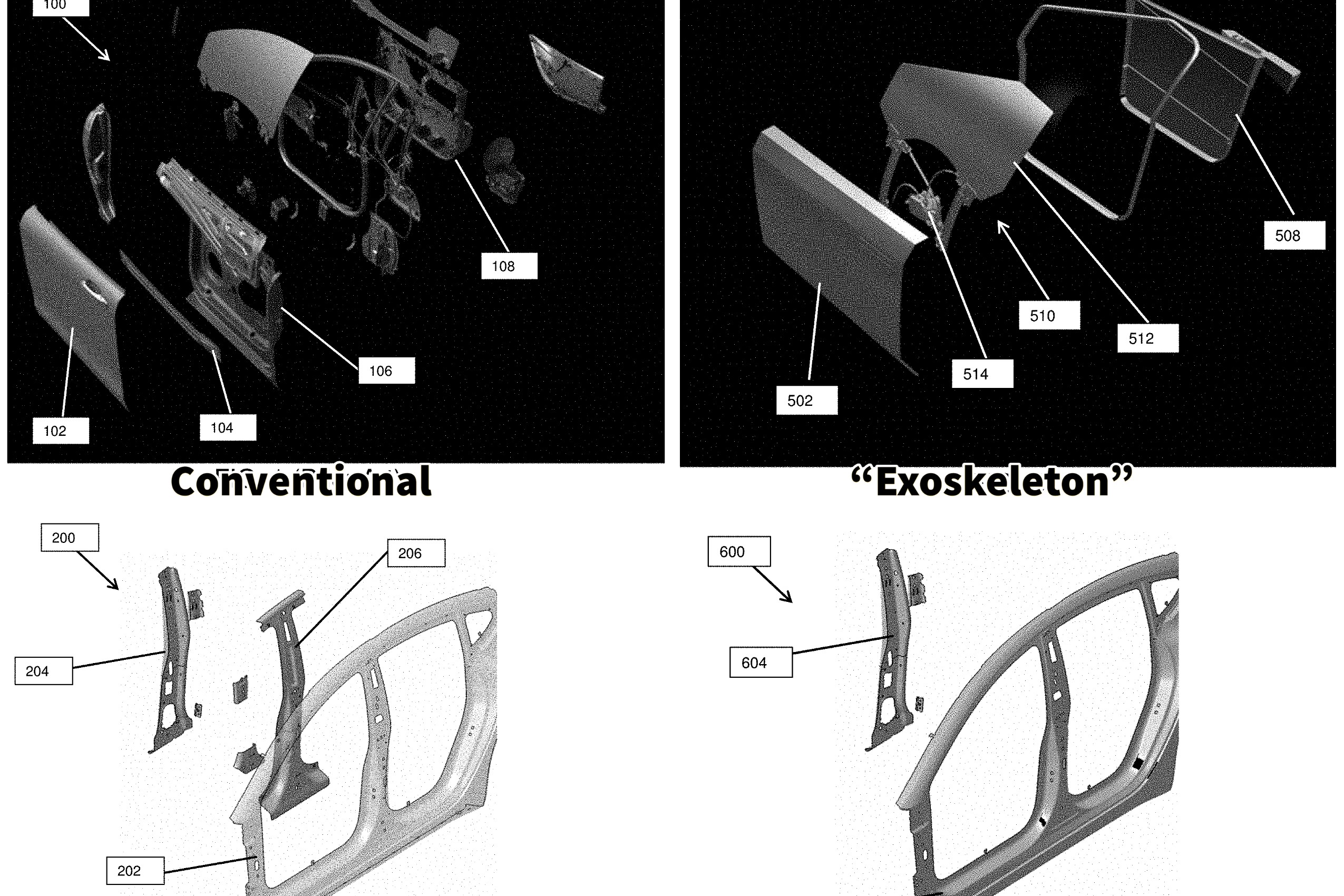
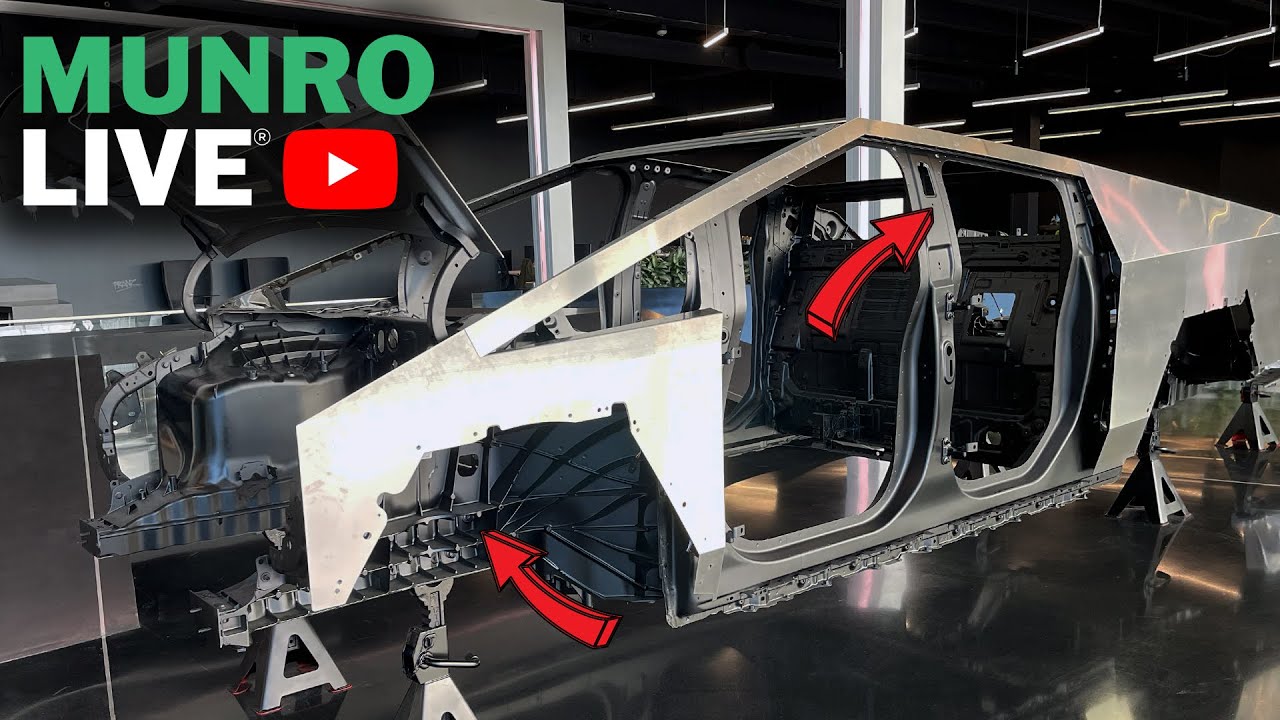
- Simplified Manufacturing: The exoskeleton design eliminates the need for a separate frame and body panels. This can potentially simplify the manufacturing process and reduce production costs, although the forming and welding of stainless steel can present unique challenges.
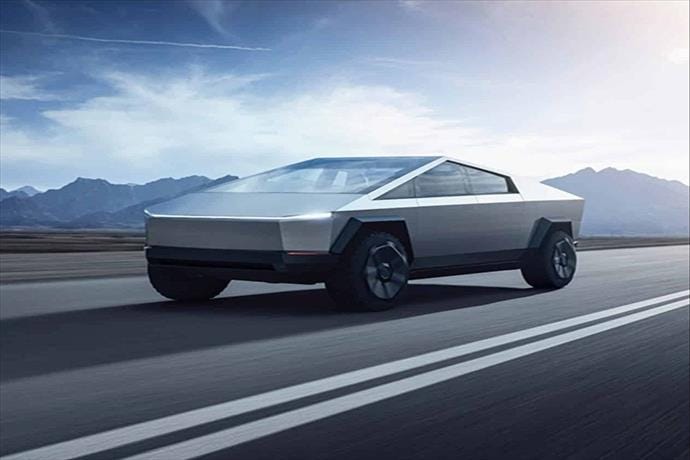
- Unique Aesthetics: The bare stainless steel finish gives the Cybertruck a distinctive and futuristic appearance that sets it apart from other vehicles on the road. This bold design choice has been both praised and criticized, but it undoubtedly contributes to the vehicle's unique identity.
- Potential for Ballistic Protection: While not explicitly marketed as a bulletproof vehicle, the Cybertruck's robust stainless steel exoskeleton offers a degree of ballistic protection that is not typically found in consumer vehicles. This can be a valuable feature for customers who prioritize security.
The Challenges of Stainless Steel
Despite its many advantages, using stainless steel for a vehicle exoskeleton also presents several challenges:
- Formability: Stainless steel is generally more difficult to form into complex shapes than traditional automotive steel or aluminum. This can limit design flexibility and increase manufacturing costs. The Cybertruck's angular design may be, in part, a consequence of this limitation.
- Weldability: Welding stainless steel requires specialized techniques and equipment to prevent corrosion and maintain the material's strength. Improper welding can lead to weakened joints and premature failure.
- Weight: Stainless steel is denser than aluminum, which can increase the overall weight of the vehicle and reduce its fuel efficiency or range. Tesla has likely implemented weight-saving measures in other areas of the vehicle to compensate for the heavier exoskeleton.
- Cost: Stainless steel is generally more expensive than traditional automotive steel, which can increase the overall cost of the vehicle.
- Repairability: Repairing damaged stainless steel can be more challenging than repairing traditional automotive materials. Specialized tools and techniques are required to ensure that repairs are strong and corrosion-resistant.
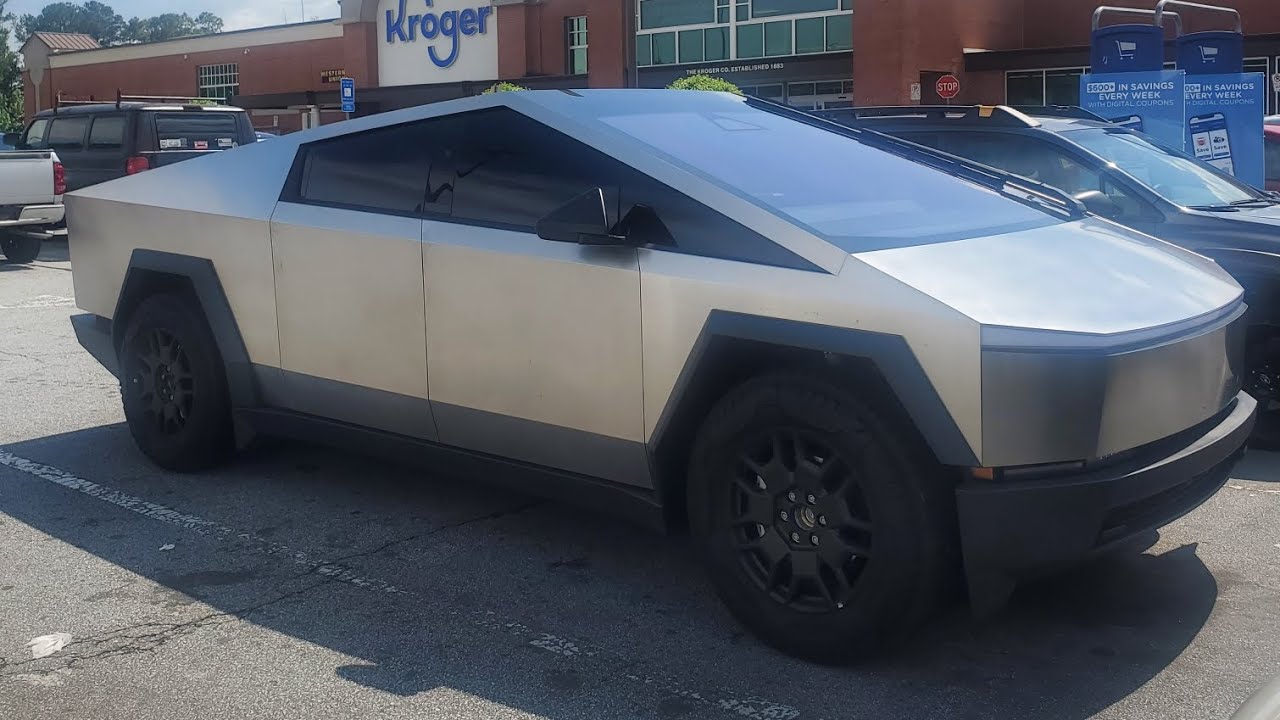
- Surface Finish: Maintaining a consistent and aesthetically pleasing surface finish on stainless steel can be difficult. Scratches and imperfections can be more visible than on painted surfaces. The Cybertruck has been observed to have variations in surface texture and reflectivity.
- Springback: Stainless steel tends to exhibit more "springback" after being formed than mild steel, meaning it returns slightly towards its original shape after bending. This requires careful compensation in the forming process to achieve the desired final dimensions.
Addressing the Challenges: Tesla's Innovations
Tesla is likely employing several innovative techniques to overcome the challenges associated with using stainless steel in the Cybertruck:
- Advanced Manufacturing Techniques: Tesla is known for its investment in advanced manufacturing technologies, such as laser welding and robotic automation. These technologies can help to improve the precision and efficiency of the manufacturing process, reducing costs and improving quality.
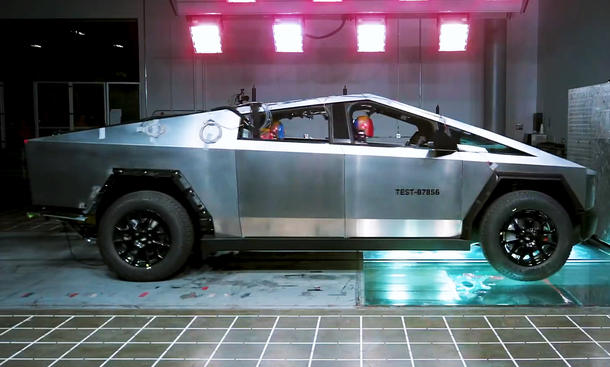
- Structural Design Optimization: The Cybertruck's design is likely optimized to minimize stress concentrations and maximize the strength of the stainless steel exoskeleton. Finite element analysis and other simulation tools can be used to identify potential weak points and optimize the design accordingly.
- Specialized Welding Processes: Tesla is likely using specialized welding processes, such as laser welding or friction stir welding, to create strong and corrosion-resistant joints in the stainless steel exoskeleton.
- Weight Reduction Strategies: Tesla is likely employing a variety of weight reduction strategies in other areas of the vehicle, such as using lightweight materials for the interior and chassis components, to compensate for the heavier stainless steel exoskeleton.
- Surface Treatment: Tesla may be using a specialized surface treatment to improve the scratch resistance and aesthetic appearance of the stainless steel exoskeleton. This could involve a coating or polishing process that enhances the material's natural properties.
The Future of Stainless Steel in Automotive Manufacturing
The Cybertruck's stainless steel exoskeleton represents a bold experiment in automotive manufacturing. If Tesla can successfully overcome the challenges associated with using this material, it could pave the way for wider adoption of stainless steel in the automotive industry.
The potential benefits of stainless steel, such as its durability, corrosion resistance, and unique aesthetics, are compelling. As manufacturing technologies continue to advance, it may become increasingly feasible and cost-effective to use stainless steel in a variety of automotive applications.
Conclusion
The Tesla Cybertruck's exoskeleton is more than just a design statement; it's a testament to innovative material science and manufacturing processes. The choice of cold-rolled 30X series stainless steel presents both significant advantages and considerable challenges. Tesla's success in bringing the Cybertruck to market will depend on its ability to effectively address these challenges and leverage the unique properties of this material to create a vehicle that is both durable, secure, and visually striking. Whether the Cybertruck proves to be a revolutionary breakthrough or a niche product, it has undoubtedly sparked a conversation about the future of automotive materials and manufacturing. The future will reveal the long-term viability and impact of Tesla's bold gamble on stainless steel.









Comments
Post a Comment