Tesla, primarily known for its electric vehicles (EVs), is not just an automotive company. Its mission extends far beyond producing sleek, high-performance cars. At its core, Tesla envisions a sustainable energy future and aims to accelerate the world's transition to it. While EVs serve as a crucial component of this vision, Tesla's broader strategy encompasses energy generation, storage, and artificial intelligence (AI), all working in concert to revolutionize how we power our lives and interact with the world.
Energy Generation: Harnessing the Power of the Sun
Tesla's foray into energy generation began with the acquisition of SolarCity in 2016. This move was met with skepticism by some, but it aligned perfectly with Elon Musk's long-term vision. Tesla Energy offers solar panels and solar roof tiles for residential and commercial use, enabling customers to generate clean electricity directly from the sun.
- Solar Panels: Tesla's solar panels are designed for efficiency and durability, converting sunlight into electricity to power homes and businesses. They come with a low-profile design and integrated hardware for a seamless look.
- Solar Roof: The Solar Roof is a more integrated and aesthetically pleasing alternative to traditional solar panels. It consists of durable glass tiles with embedded solar cells, blending seamlessly with the roof while generating electricity.
By providing solar solutions, Tesla empowers individuals and businesses to become energy producers, reducing their reliance on fossil fuels and lowering their carbon footprint. Tesla is also working on expanding its solar energy solutions to large-scale utility projects, further contributing to a cleaner energy grid.
Energy Storage: Powerwall and Megapack
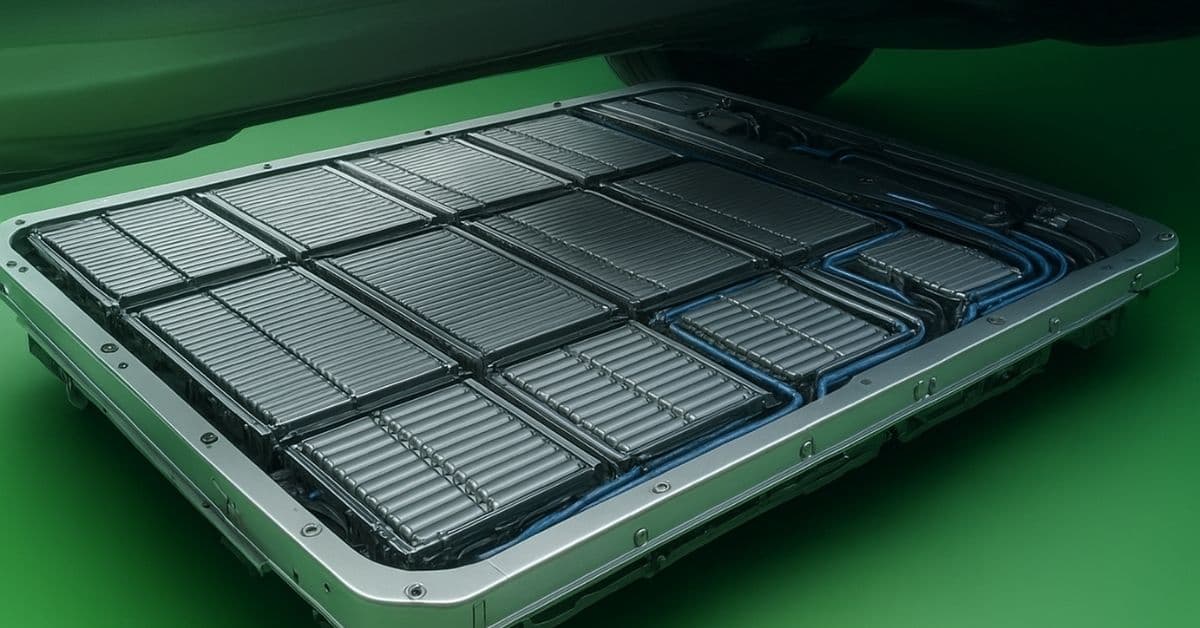
Generating clean energy is only half the battle. To truly transition to a sustainable energy future, we need effective energy storage solutions. Tesla's Powerwall and Megapack are designed to store excess energy generated from solar or other renewable sources, making it available when needed.
- Powerwall: The Powerwall is a home battery that stores solar energy, providing backup power during outages and allowing homeowners to use clean energy even when the sun isn't shining. It can also be used to reduce energy costs by storing electricity during off-peak hours and using it during peak demand.
- Megapack: The Megapack is a large-scale energy storage system designed for utility-scale projects. It can store vast amounts of energy, helping to stabilize the grid, integrate renewable energy sources, and reduce reliance on fossil fuel power plants.
Tesla's energy storage solutions are crucial for creating a more resilient and sustainable energy system. They enable us to store intermittent renewable energy sources like solar and wind, ensuring a reliable supply of clean electricity around the clock.
Artificial Intelligence: The Brains Behind the Operation
AI plays a critical role in Tesla's mission, permeating nearly every aspect of its operations, from vehicle automation to energy management.
- Autopilot and Full Self-Driving: Tesla's Autopilot and Full Self-Driving (FSD) systems use AI to enable advanced driver-assistance features and, eventually, full autonomous driving. These systems rely on a network of cameras, sensors, and powerful onboard computers to perceive the environment and make driving decisions.
- Energy Management: AI is also used to optimize energy generation and storage. Tesla's software algorithms analyze energy consumption patterns, weather forecasts, and grid conditions to intelligently manage the flow of energy between solar panels, batteries, and the grid. This helps to maximize the use of renewable energy and reduce energy costs.
- Manufacturing and Robotics: Tesla is investing heavily in AI-powered robots and automation to improve its manufacturing processes. These robots can perform repetitive tasks with greater speed and precision than humans, increasing efficiency and reducing costs.
Tesla's AI efforts are not limited to its products and services. The company is also developing its own AI chips and supercomputers to power its AI algorithms. This vertical integration allows Tesla to optimize its AI systems for its specific needs and maintain a competitive edge.
The Interconnected Ecosystem
What sets Tesla apart is its ability to integrate these three pillars – EVs, energy, and AI – into a cohesive ecosystem. For example, a Tesla car can be charged using electricity generated from Tesla solar panels and stored in a Tesla Powerwall. The car's AI system can then optimize charging based on energy prices and grid conditions.
This interconnected ecosystem creates a synergistic effect, where each component enhances the value of the others. It also allows Tesla to offer its customers a complete solution for sustainable transportation and energy.
Challenges and Opportunities
Despite its ambitious vision and impressive progress, Tesla faces several challenges.
- Competition: The EV market is becoming increasingly competitive, with established automakers and new entrants vying for market share. Tesla must continue to innovate and differentiate its products to maintain its lead.
- Regulatory Hurdles: The energy industry is heavily regulated, and Tesla must navigate complex regulatory frameworks to deploy its energy solutions.
- Scalability: Scaling up production of EVs, solar panels, and batteries is a major challenge. Tesla must invest in new factories and technologies to meet growing demand.
However, these challenges also present opportunities.
- Growing Demand for Sustainable Solutions: As concerns about climate change grow, demand for EVs and renewable energy is increasing. Tesla is well-positioned to capitalize on this trend.
- Technological Advancements: Continued advancements in battery technology, AI, and manufacturing will enable Tesla to improve its products and lower costs.
- Government Support: Governments around the world are offering incentives and policies to promote EVs and renewable energy, creating a favorable environment for Tesla.
Conclusion
Tesla's mission extends far beyond producing electric vehicles. The company envisions a sustainable energy future powered by renewable energy, energy storage, and artificial intelligence. While EVs are an essential part of this vision, Tesla's broader strategy encompasses energy generation and storage solutions for homes, businesses, and utilities. AI serves as the brains behind the operation, optimizing energy management, enabling autonomous driving, and improving manufacturing processes.
Tesla's interconnected ecosystem of EVs, energy, and AI creates a synergistic effect, offering customers a complete solution for sustainable transportation and energy. While challenges remain, the company is well-positioned to lead the transition to a cleaner, more sustainable future. Tesla's commitment to innovation and its ambitious vision make it a force to be reckoned with in the automotive, energy, and AI industries. As Tesla continues to push the boundaries of what's possible, it is likely to play an increasingly important role in shaping the future of energy and transportation.










Comments
Post a Comment