Tesla, the name synonymous with electric vehicles (EVs), sustainable energy, and groundbreaking innovation, has revolutionized the automotive industry and beyond. At the heart of Tesla's ambitious vision lies its Gigafactories, massive production facilities that serve as the backbone of its operations. These Gigafactories are not merely manufacturing plants; they are the engines driving Tesla's mission to accelerate the world's transition to sustainable energy.
The Genesis of Gigafactories: A Bold Vision
The concept of Gigafactories was conceived by Tesla's CEO, Elon Musk, who recognized the need for large-scale battery production to meet the growing demand for electric vehicles. In 2013, Musk announced his plan to build a "gigafactory" that would produce batteries on a scale never seen before. The idea was audacious, but Musk was convinced that it was the only way to achieve Tesla's goals.
The first Gigafactory, known as Gigafactory 1, was established in Nevada in 2014. It was a joint venture between Tesla and Panasonic, with the goal of producing lithium-ion batteries for Tesla's electric vehicles and energy storage products. The choice of Nevada as the location for Gigafactory 1 was strategic, as it offered access to abundant lithium resources and a favorable business environment.
Gigafactory 1: A Battery Production Powerhouse
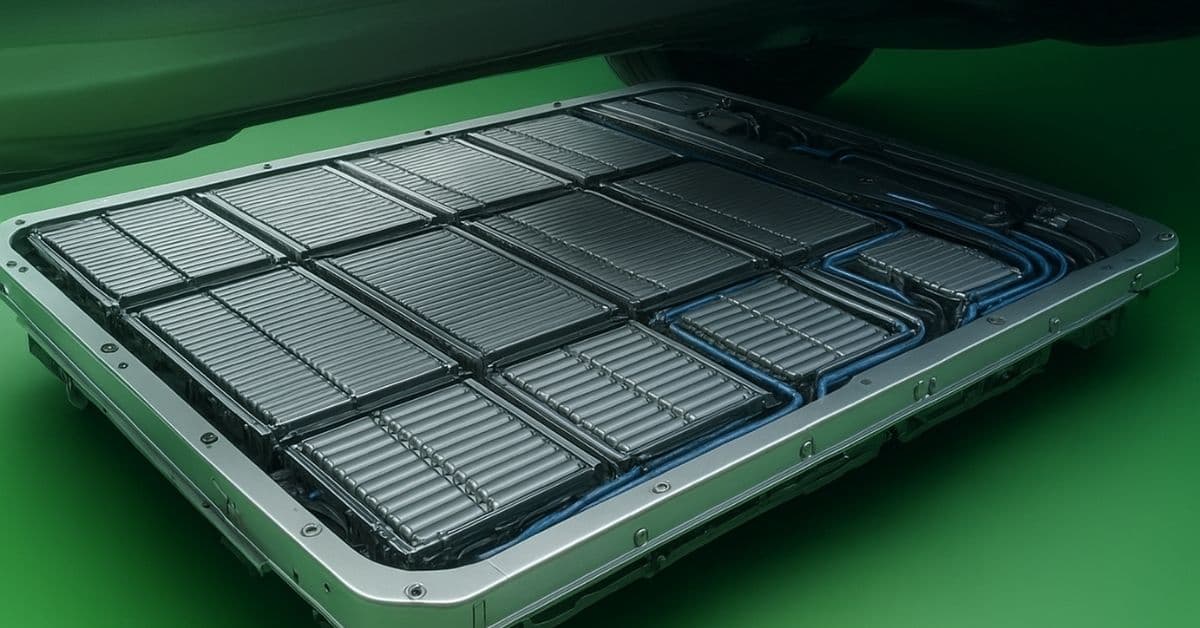
Gigafactory 1 is a massive facility, covering over 5.3 million square feet, making it one of the largest buildings in the world. It is designed to be a vertically integrated production facility, meaning that it handles every stage of the battery production process, from raw materials to finished products.
The factory's primary function is to manufacture lithium-ion batteries for Tesla's electric vehicles, including the Model 3, Model S, and Model X. Gigafactory 1 also produces energy storage products, such as the Powerwall and Powerpack, which are used to store solar energy and provide backup power.
The Gigafactory 1's production capacity has steadily increased over the years, and it is now one of the largest battery production facilities in the world. In 2018, the factory reached a production rate of 20 GWh of batteries per year, and Tesla has plans to further expand the factory's capacity in the future.
Gigafactory 2: A Solar Power Hub
Gigafactory 2, located in Buffalo, New York, is dedicated to the production of solar panels and solar roof tiles. It was built in partnership with Panasonic and is a key component of Tesla's solar energy business.
The factory produces Tesla's Solar Roof, a revolutionary product that integrates solar panels into roofing tiles, creating a seamless and aesthetically pleasing solar energy system. Gigafactory 2 also produces conventional solar panels for residential and commercial use.
Gigafactory 3: Tesla's Footprint in China
Gigafactory 3, located in Shanghai, China, is Tesla's first Gigafactory outside of the United States. It is a fully owned Tesla factory and is designed to produce Model 3 and Model Y vehicles for the Chinese market.
The construction of Gigafactory 3 was a significant milestone for Tesla, as it allowed the company to establish a presence in the world's largest electric vehicle market. The factory's production capacity is steadily increasing, and it is expected to play a major role in Tesla's global growth.
Gigafactory 4: Tesla's European Hub
Gigafactory 4, located in Grünheide, Germany, is Tesla's first European Gigafactory. It is designed to produce Model Y vehicles and batteries for the European market.
The construction of Gigafactory 4 has been met with some challenges, including environmental concerns and regulatory hurdles. However, Tesla is committed to overcoming these challenges and bringing its electric vehicles to the European market.
Gigafactory 5: Tesla's Texas Giant
Gigafactory 5, also known as Giga Texas, is located in Austin, Texas. It is Tesla's newest and most ambitious Gigafactory to date. The factory is designed to produce Model Y vehicles and the highly anticipated Cybertruck.
Giga Texas is a massive facility, covering over 10 million square feet, making it one of the largest factories in the world. It is also designed to be a highly sustainable facility, with a focus on water conservation and renewable energy.
The Impact of Gigafactories on Tesla's Business
Tesla's Gigafactories have had a profound impact on the company's business. They have enabled Tesla to:
- Increase production capacity: Gigafactories have significantly increased Tesla's production capacity, allowing the company to meet the growing demand for its electric vehicles and energy storage products.
- Reduce production costs: Gigafactories have helped Tesla to reduce its production costs by leveraging economies of scale and vertical integration.
- Improve battery technology: Gigafactories have allowed Tesla to invest in research and development to improve battery technology, leading to longer range, faster charging, and lower costs.
- Expand into new markets: Gigafactories have enabled Tesla to expand into new markets, such as China and Europe, by producing vehicles locally.
Beyond Manufacturing: Gigafactories as Innovation Hubs
While Gigafactories are primarily manufacturing facilities, they also serve as innovation hubs for Tesla. The factories are designed to be highly automated and data-driven, allowing Tesla to continuously improve its production processes and develop new technologies.
Tesla also uses Gigafactories as training centers for its employees, providing them with the skills and knowledge they need to operate and maintain the factories' advanced equipment.
The Future of Gigafactories
Tesla plans to continue expanding its Gigafactory network in the future. The company is exploring potential locations for new Gigafactories in Asia, Europe, and North America.
Tesla's Gigafactories are a key component of the company's long-term strategy to accelerate the world's transition to sustainable energy. By producing batteries and electric vehicles on a massive scale, Tesla is helping to make sustainable energy more affordable and accessible to everyone.
Conclusion
Tesla's Gigafactories are more than just manufacturing plants; they are the embodiment of Tesla's innovative spirit and commitment to sustainability. These massive facilities are driving Tesla's growth, reducing costs, and accelerating the world's transition to electric vehicles and clean energy. As Tesla continues to expand its Gigafactory network, the company is poised to play an even greater role in shaping the future of energy and transportation.
Key Takeaways
- Tesla's Gigafactories are large-scale production facilities that manufacture batteries, electric vehicles, and energy storage products.
- Gigafactories are designed to be vertically integrated, meaning that they handle every stage of the production process, from raw materials to finished products.
- Gigafactories have enabled Tesla to increase production capacity, reduce production costs, improve battery technology, and expand into new markets.
- Gigafactories also serve as innovation hubs for Tesla, allowing the company to continuously improve its production processes and develop new technologies.
- Tesla plans to continue expanding its Gigafactory network in the future, with potential locations in Asia, Europe, and North America.
Tesla's Gigafactories are a testament to the company's bold vision and unwavering commitment to sustainability. They are the engines driving Tesla's mission to accelerate the world's transition to a cleaner, more sustainable future.











Comments
Post a Comment