Tesla vehicles are known for their cutting-edge technology, impressive performance, and, of course, their all-electric powertrain. Unlike traditional gasoline-powered cars, Teslas require significantly less maintenance due to the absence of an internal combustion engine, oil changes, and other associated maintenance tasks. However, this doesn't mean they are entirely maintenance-free. To keep your Tesla running smoothly and efficiently for years to come, it's essential to adhere to a regular maintenance schedule.
This article will provide a comprehensive overview of the Tesla maintenance schedule, covering what to check and when, along with helpful tips to keep your Tesla in top condition.
Why is Maintenance Important for Teslas?
While Teslas require less maintenance than conventional cars, neglecting necessary maintenance can lead to:
- Reduced performance: Components like tires, brakes, and suspension can degrade over time, affecting handling, braking, and overall performance.
- Safety issues: Worn-out tires, faulty brakes, or malfunctioning lights can compromise your safety and the safety of others.
- Decreased efficiency: Low tire pressure, dirty air filters, or degraded battery performance can reduce your Tesla's range and efficiency.
- Costly repairs: Ignoring minor issues can lead to more significant problems down the road, resulting in expensive repairs.
- Voided warranty: Failure to adhere to the recommended maintenance schedule may void certain warranty coverage.
Tesla's Recommended Maintenance Schedule
Tesla does not provide a strict, mileage-based maintenance schedule like traditional automakers. Instead, they recommend specific checks and services at certain intervals, based on time or usage. The following is a general guideline for Tesla maintenance, but it's essential to consult your owner's manual and Tesla app for the most up-to-date and specific recommendations for your particular model and driving conditions.
Every Month:
- Tire Pressure: Check and maintain the correct tire pressure as indicated on the tire placard (usually located on the driver's side doorjamb). Proper tire pressure improves handling, fuel efficiency, and tire life.
- Tire Condition: Visually inspect tires for any signs of wear, damage, or embedded objects. Rotate tires as needed to ensure even wear.
- Washer Fluid Level: Check and refill the windshield washer fluid reservoir.
- Lights: Ensure all exterior lights, including headlights, taillights, brake lights, turn signals, and hazard lights, are functioning correctly.
- Brake Function: Pay attention to any unusual noises or vibrations when braking. If you notice anything concerning, have your brakes inspected.
- Cabin Air Filter: Consider inspecting the cabin air filter, especially if you drive in dusty or polluted environments. Replace if needed.
Every Year or 12,500 Miles (Whichever Comes First):
- Tire Rotation: Rotate your tires to ensure even wear and extend their lifespan. Tesla recommends tire rotation every 6,250 miles, but many owners find that 12,500 miles is sufficient.
- Cabin Air Filter Replacement: Replace the cabin air filter to ensure clean and fresh air inside the vehicle.
- Brake Fluid Test: Test the brake fluid for contamination and moisture. If necessary, flush and replace the brake fluid.
- Wiper Blades Inspection: Inspect the wiper blades for wear and tear. Replace them if they are streaking or not cleaning the windshield effectively.
- Door Hinges, Latches and Locks: Lubricate all door hinges, latches and locks.
Every Two Years or 25,000 Miles (Whichever Comes First):
- Key Fob Battery Replacement: Replace the battery in your key fob.
- Brake Fluid Replacement (if not done annually): If the brake fluid wasn't replaced during the annual check, replace it now, regardless of the test results.
Every Three Years or 37,500 Miles (Whichever Comes First):
- Air Conditioning Service: Inspect the air conditioning system for leaks and proper operation. Recharge the refrigerant if necessary.
Every Four Years or 50,000 Miles (Whichever Comes First):
- Coolant Replacement: Replace the coolant in the battery and power electronics thermal management systems.
- Accessory Belt Replacement (if applicable): Some older Tesla models have an accessory belt that drives the power steering pump and other accessories. Replace the belt if it shows signs of wear or cracking.
Every Five Years or 62,500 Miles (Whichever Comes First):
- Inspect and Clean Brakes: Remove the brake calipers, clean the brake pads and rotors, and lubricate the caliper pins. This helps prevent brake noise and ensures proper braking performance.
Every Six Years or 75,000 Miles (Whichever Comes First):
- Replace Desiccant Bag in A/C System: The desiccant bag in the air conditioning system helps to remove moisture from the refrigerant. Replace it to maintain optimal A/C performance.
Other Important Maintenance Considerations:
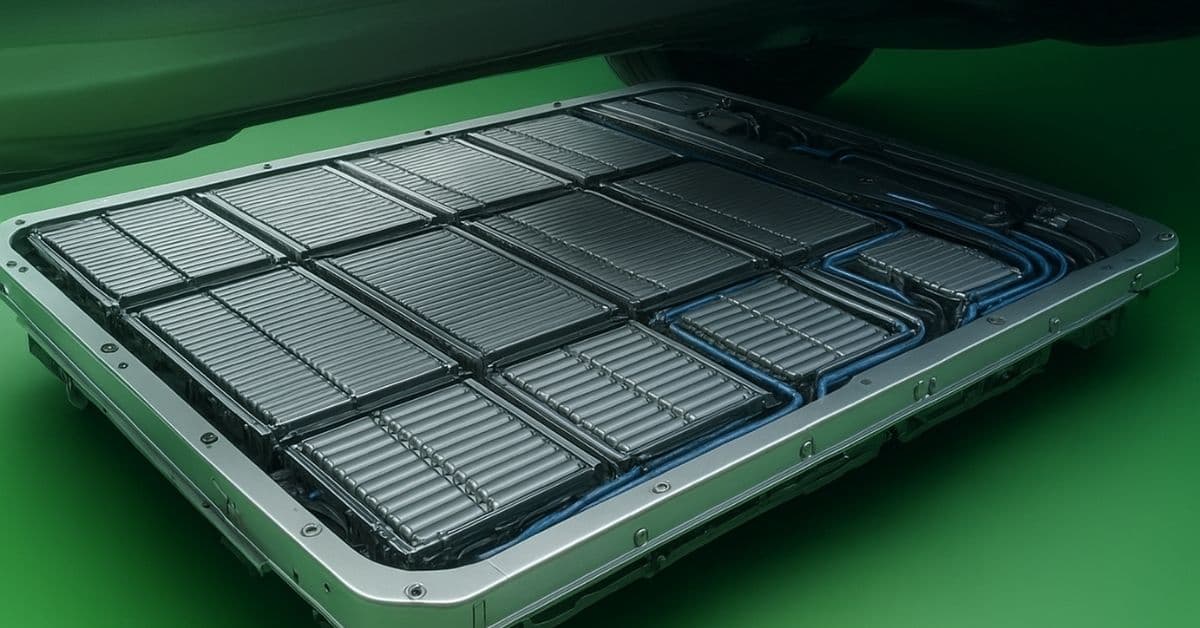
- Battery Health: While the Tesla battery is designed to last for many years, it's essential to monitor its health and performance. Tesla provides tools and information to track your battery's state of charge, range, and overall condition. Avoid consistently charging to 100% or letting the battery drain to 0%, as this can accelerate battery degradation.
- Software Updates: Keep your Tesla's software up-to-date. Software updates often include performance improvements, bug fixes, and new features that can enhance your driving experience and optimize your vehicle's systems.
- Suspension Components: Inspect the suspension components, such as ball joints, control arms, and bushings, for wear and tear. Replace any worn or damaged parts to maintain proper handling and ride quality.
- Charging Equipment: Regularly inspect your charging equipment, including the charging cable and wall connector, for any signs of damage. Replace any damaged components immediately to prevent electrical hazards.
- Underbody Inspection: Periodically inspect the underbody of your Tesla for any signs of damage, corrosion, or leaks. Address any issues promptly to prevent further damage.
- Professional Inspection: Consider having your Tesla professionally inspected by a qualified Tesla technician at least once a year. They can identify potential problems early on and perform necessary maintenance tasks.
Tips for Maintaining Your Tesla:
- Keep it Clean: Regularly wash and wax your Tesla to protect the paint and prevent corrosion.
- Park in the Shade: When possible, park your Tesla in the shade to protect the battery from excessive heat.
- Drive Responsibly: Avoid aggressive driving, such as hard acceleration and braking, as this can put extra stress on the battery and other components.
- Follow Tesla's Recommendations: Always follow Tesla's recommended maintenance schedule and guidelines.
- Use Tesla Service Centers or Authorized Repair Shops: When you need maintenance or repairs, use Tesla service centers or authorized repair shops that have the expertise and equipment to properly service your Tesla.
- Keep Records: Keep detailed records of all maintenance and repairs performed on your Tesla. This can be helpful for warranty claims and resale value.
- Use the Tesla App: The Tesla app provides valuable information about your vehicle's status, including battery health, tire pressure, and software updates. Use the app to monitor your Tesla and stay informed about any necessary maintenance.
DIY vs. Professional Maintenance
Some Tesla owners may be comfortable performing certain maintenance tasks themselves, such as checking tire pressure, replacing wiper blades, or refilling washer fluid. However, more complex maintenance tasks, such as brake service, coolant replacement, or suspension repairs, should be performed by qualified Tesla technicians.
Attempting to perform complex maintenance tasks without the proper knowledge, tools, and equipment can be dangerous and may void your warranty. It's always best to err on the side of caution and let professionals handle these tasks.
Conclusion
While Teslas require less maintenance than traditional gasoline-powered cars, it's essential to adhere to a regular maintenance schedule to keep your vehicle running smoothly, safely, and efficiently. By following the recommendations outlined in this article and consulting your owner's manual and Tesla app, you can ensure that your Tesla remains in top condition for years to come. Remember that preventative maintenance is always more cost-effective than waiting for problems to arise, so take care of your Tesla, and it will take care of you.










Comments
Post a Comment