As electric vehicles (EVs) become increasingly popular, the demand for fast and reliable charging infrastructure has grown significantly. Tesla, a leading EV manufacturer, has been at the forefront of developing advanced charging solutions for its vehicles. The company's Supercharger network has played a crucial role in enabling long-distance travel for Tesla owners.
Over the years, Tesla has introduced several iterations of its Supercharger technology, each offering improvements in charging speed and efficiency. The two most recent versions, Supercharger V3 and Supercharger V4, represent significant advancements in EV charging technology. In this article, we will delve into the key differences between Supercharger V3 and V4, exploring their charging capabilities, features, and impact on the EV charging landscape.
Supercharger V3: A Leap in Charging Speed
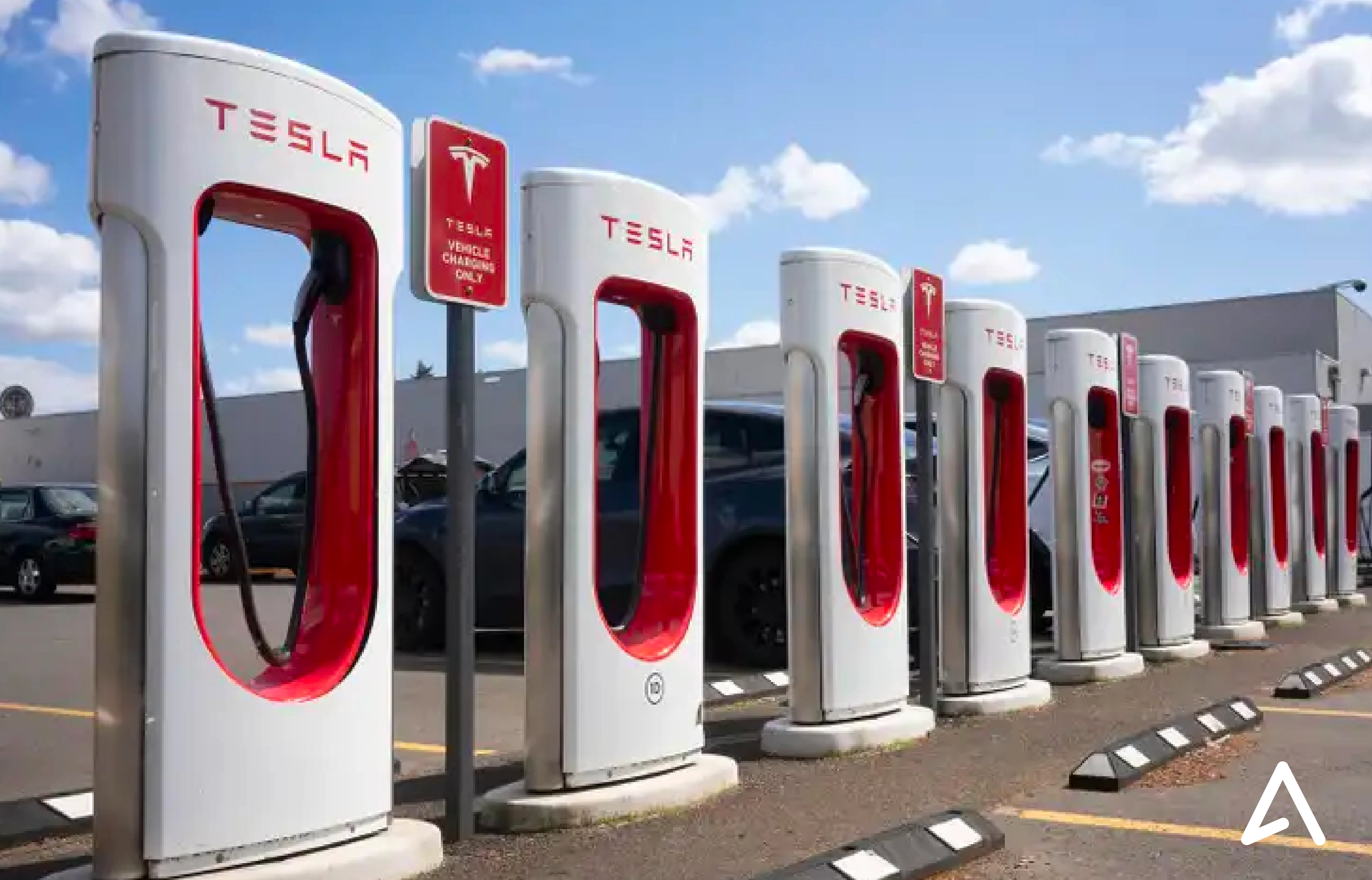
Released in 2019, Supercharger V3 marked a major step forward in Tesla's charging technology. It was designed to address the limitations of previous Supercharger versions and provide faster charging speeds for Tesla vehicles.
Key Features of Supercharger V3:
- Peak Power Output: Supercharger V3 boasts a peak power output of 250kW, a significant increase compared to the 150kW of Supercharger V2. This higher power output enables faster charging times for Tesla vehicles that support it.
- Liquid-Cooled Cables: Supercharger V3 utilizes liquid-cooled cables, which are thinner and more flexible than the air-cooled cables used in previous versions. These cables allow for higher current flow and improved heat dissipation, contributing to faster charging speeds.
- Shared Power Architecture: Unlike Supercharger V2, which shared power between two charging stalls, Supercharger V3 features a dedicated power architecture. This means that each charging stall can deliver its full 250kW of power, regardless of whether the adjacent stall is in use.
- On-Route Battery Warmup: Supercharger V3 supports Tesla's On-Route Battery Warmup feature. This feature preheats the battery as the vehicle approaches a Supercharger station, optimizing it for faster charging upon arrival.
Supercharger V4: Further Enhancements and Adaptability
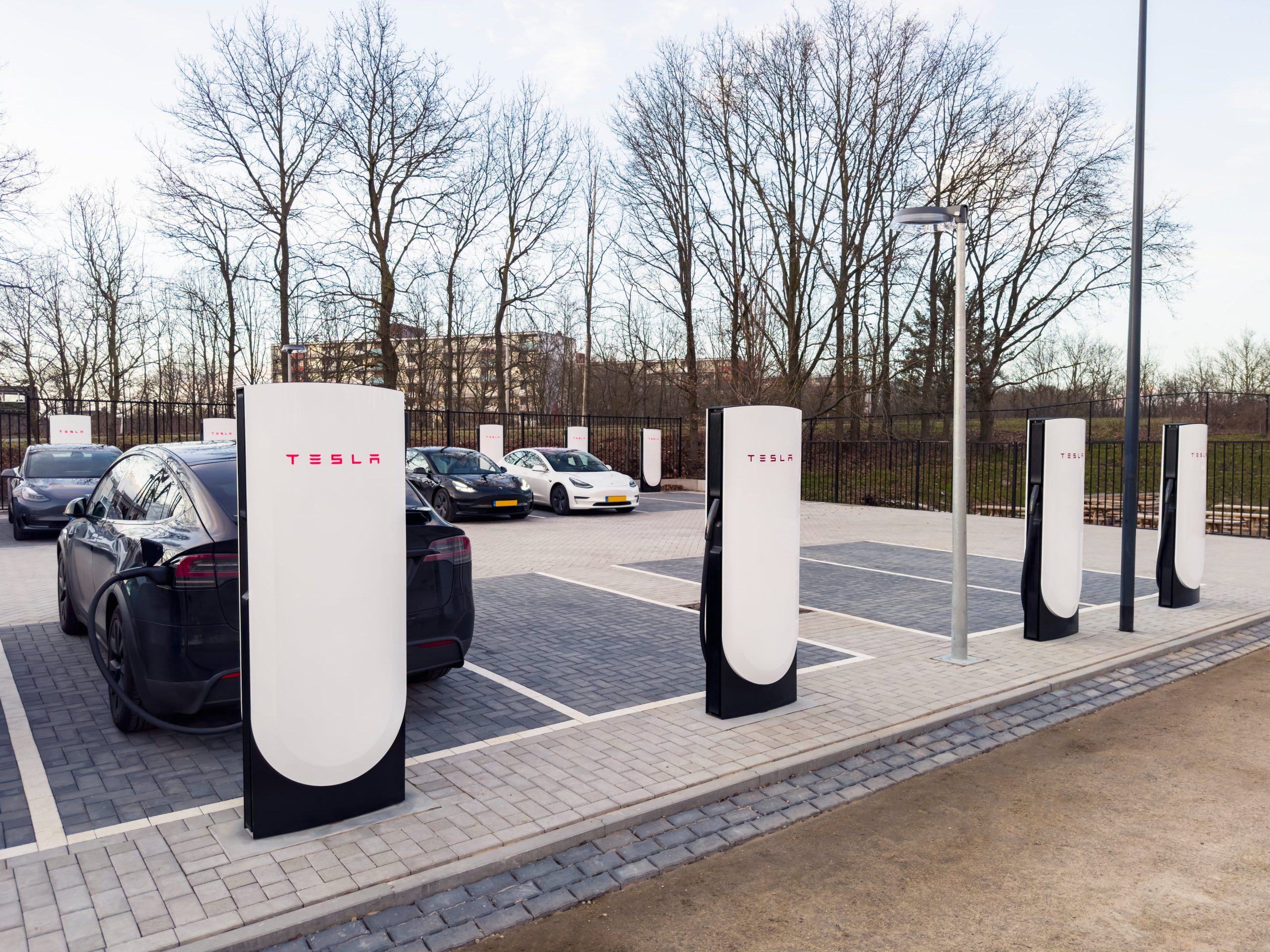
Unveiled in 2023, Supercharger V4 represents the latest iteration of Tesla's Supercharger technology. It builds upon the foundation of Supercharger V3, introducing further enhancements and design changes.
Key Features of Supercharger V4:
- Peak Power Output: While the exact peak power output of Supercharger V4 has not been officially disclosed, it is expected to be similar to or slightly higher than that of Supercharger V3 (250kW).
- Longer Cables: Supercharger V4 features longer charging cables compared to V3. This design change improves accessibility for EVs with different charging port locations, making it easier for non-Tesla vehicles to utilize the Supercharger network.
- Wider Compatibility: Supercharger V4 is designed to be compatible with a wider range of EVs, including those that use the Combined Charging System (CCS) standard. This is a significant step towards opening up the Supercharger network to non-Tesla vehicles.
- Updated Design: Supercharger V4 features a refreshed design with a taller, more slender pedestal. This design is intended to improve visibility and accessibility.
- Integrated Payment Terminal: Some Supercharger V4 stations are equipped with integrated payment terminals, allowing non-Tesla EV owners to pay for charging using a credit card or mobile payment app.
Supercharger V3 vs. V4: Key Differences
While Supercharger V4 builds upon the technology of V3, there are several key differences between the two versions:
| Feature | Supercharger V3 | Supercharger V4 |
| Peak Power Output | 250kW | 250kW (expected) |
| Cable Length | Shorter | Longer |
| Compatibility | Primarily Tesla vehicles | Wider compatibility, including CCS EVs |
| Design | Previous design | Updated, taller design |
| Payment Terminal | Not integrated | Integrated at some stations |
| Shared Power | Dedicated power architecture | Dedicated power architecture |
| Liquid Cooled Cables | Yes | Yes |
| On-Route Warmup | Yes | Yes |
Charging Speed Comparison
The charging speed of an EV depends on several factors, including the vehicle's battery capacity, charging rate, and the Supercharger's power output. While Supercharger V4's peak power output is similar to that of V3, the longer cables and wider compatibility could lead to slightly slower charging speeds for some vehicles due to increased resistance.
Impact on the EV Charging Landscape
The introduction of Supercharger V4 has several important implications for the EV charging landscape:
- Increased Accessibility: The longer cables and wider compatibility of Supercharger V4 make it easier for non-Tesla EVs to utilize the Supercharger network. This could help to alleviate range anxiety and encourage more people to switch to EVs.
- Competition: Tesla's decision to open up its Supercharger network to non-Tesla vehicles could increase competition in the EV charging market. This could lead to lower prices and better charging experiences for EV owners.
- Infrastructure Development: The deployment of Supercharger V4 stations will help to expand the EV charging infrastructure, making it easier for people to travel long distances in EVs.
- Adoption: Supercharger V4 is designed to be compatible with a wider range of EVs, including those that use the Combined Charging System (CCS) standard. This is a significant step towards opening up the Supercharger network to non-Tesla vehicles, which can encourage more people to switch to EVs.
Conclusion
Supercharger V3 and V4 represent significant advancements in EV charging technology. Supercharger V3 delivered a major leap in charging speed, while Supercharger V4 builds upon this foundation with increased accessibility and wider compatibility. As Tesla continues to innovate in the field of EV charging, we can expect to see even faster and more convenient charging solutions in the future.










.jpg)


Comments
Post a Comment