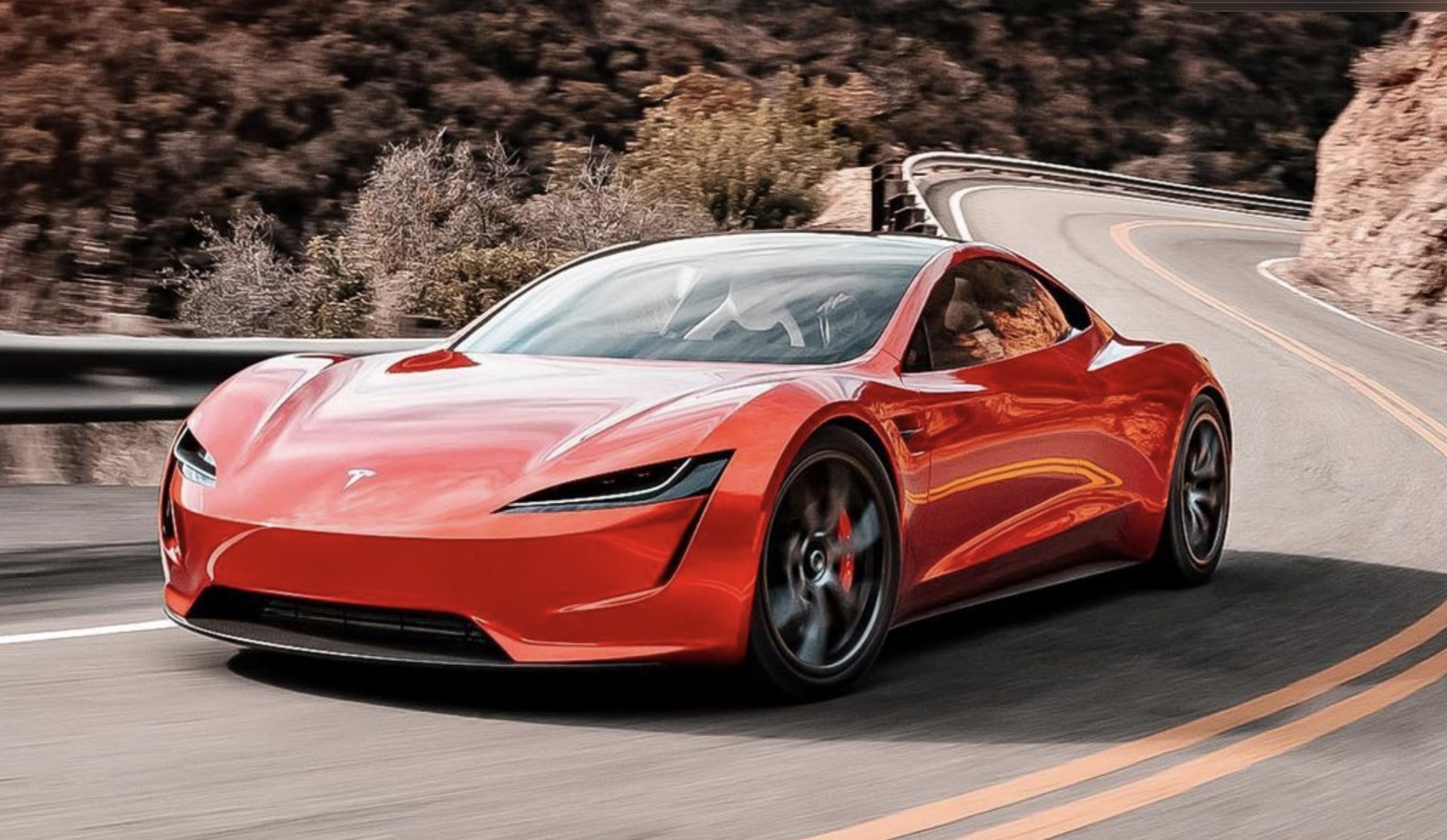
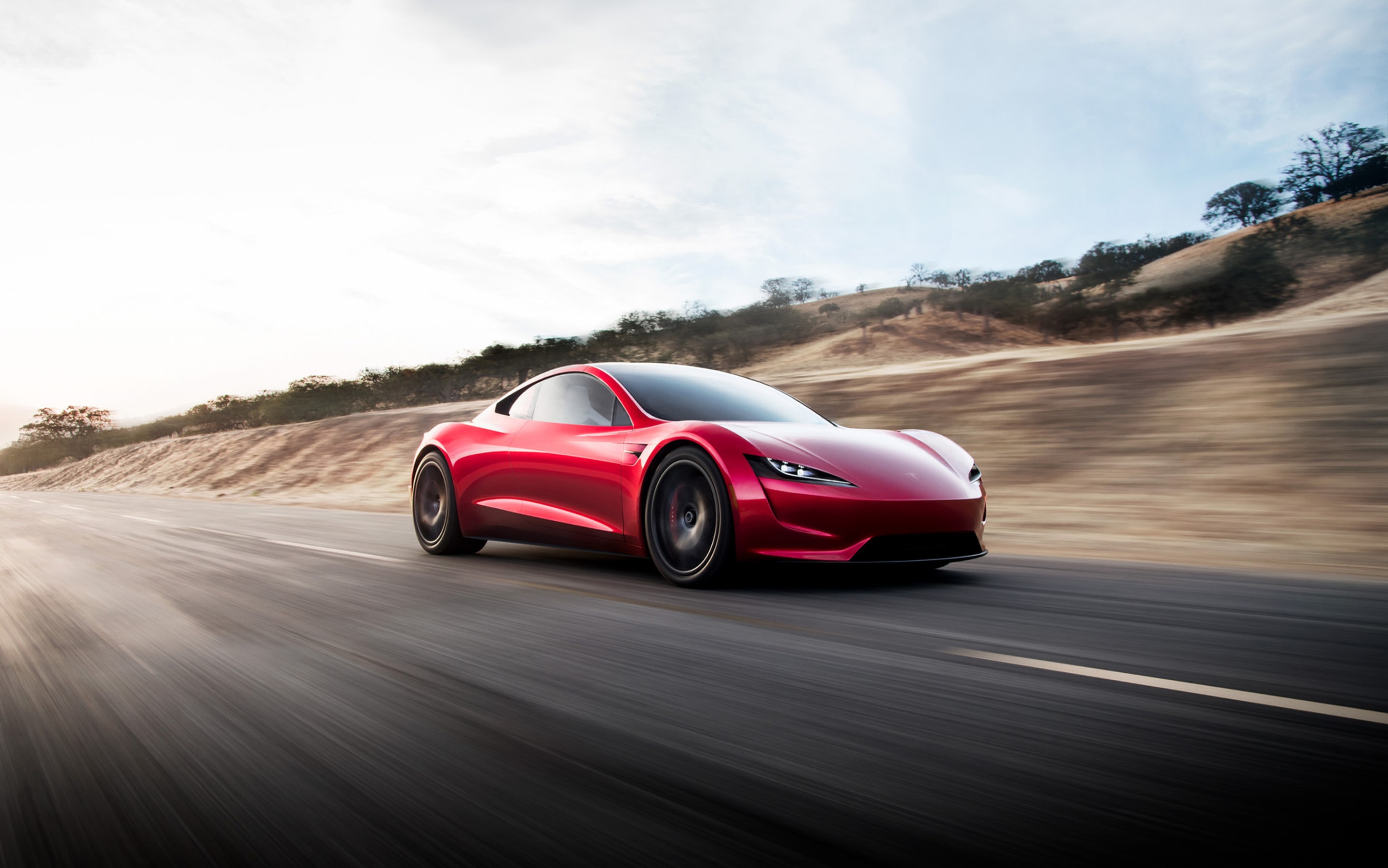
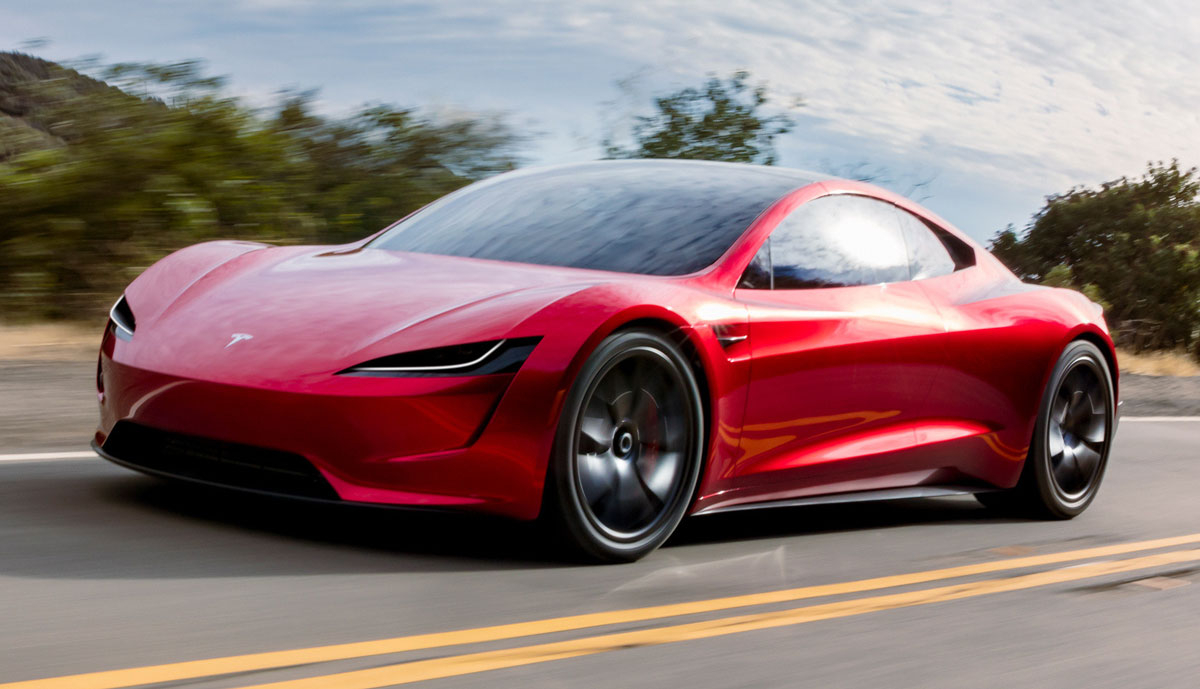
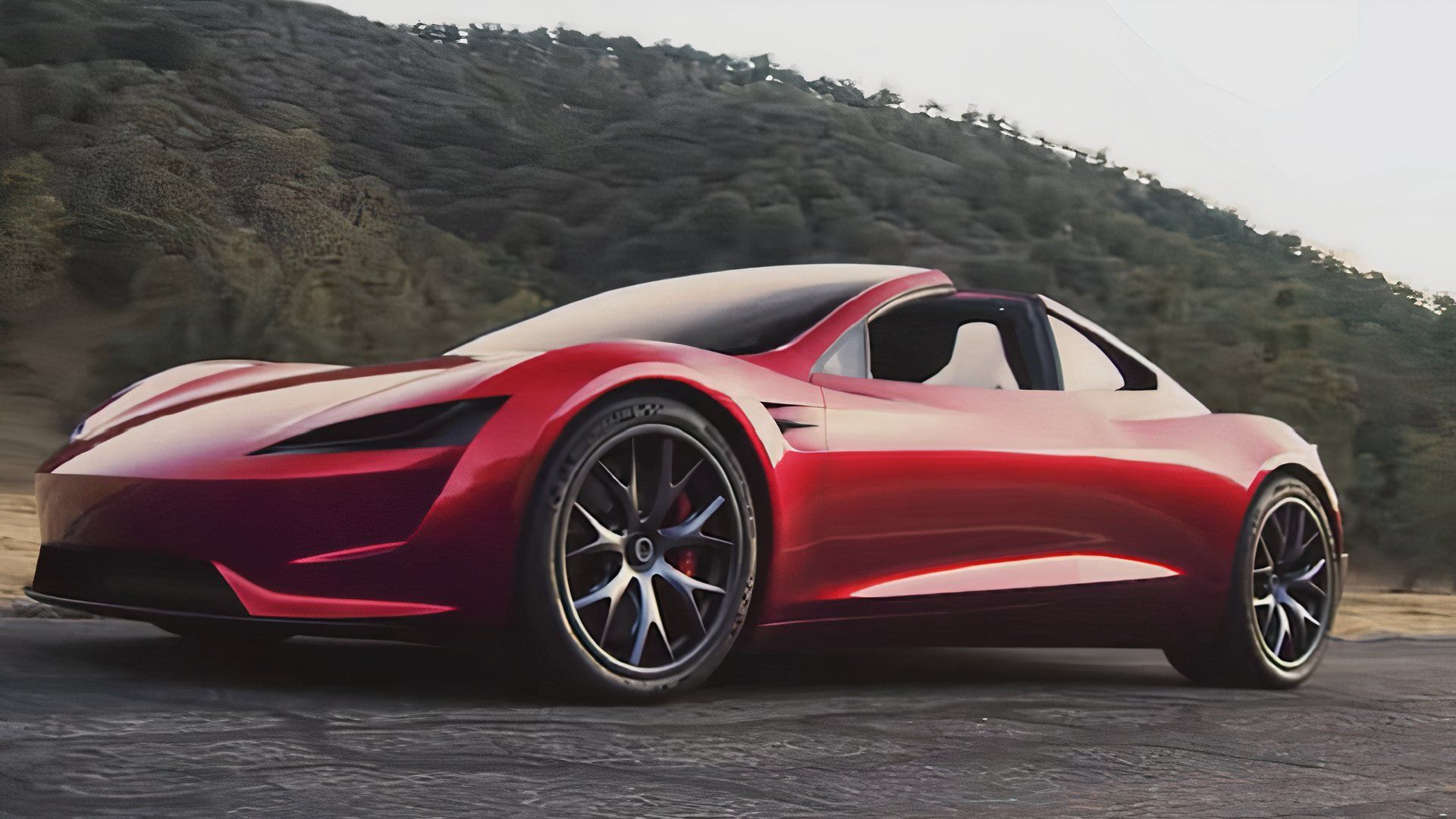
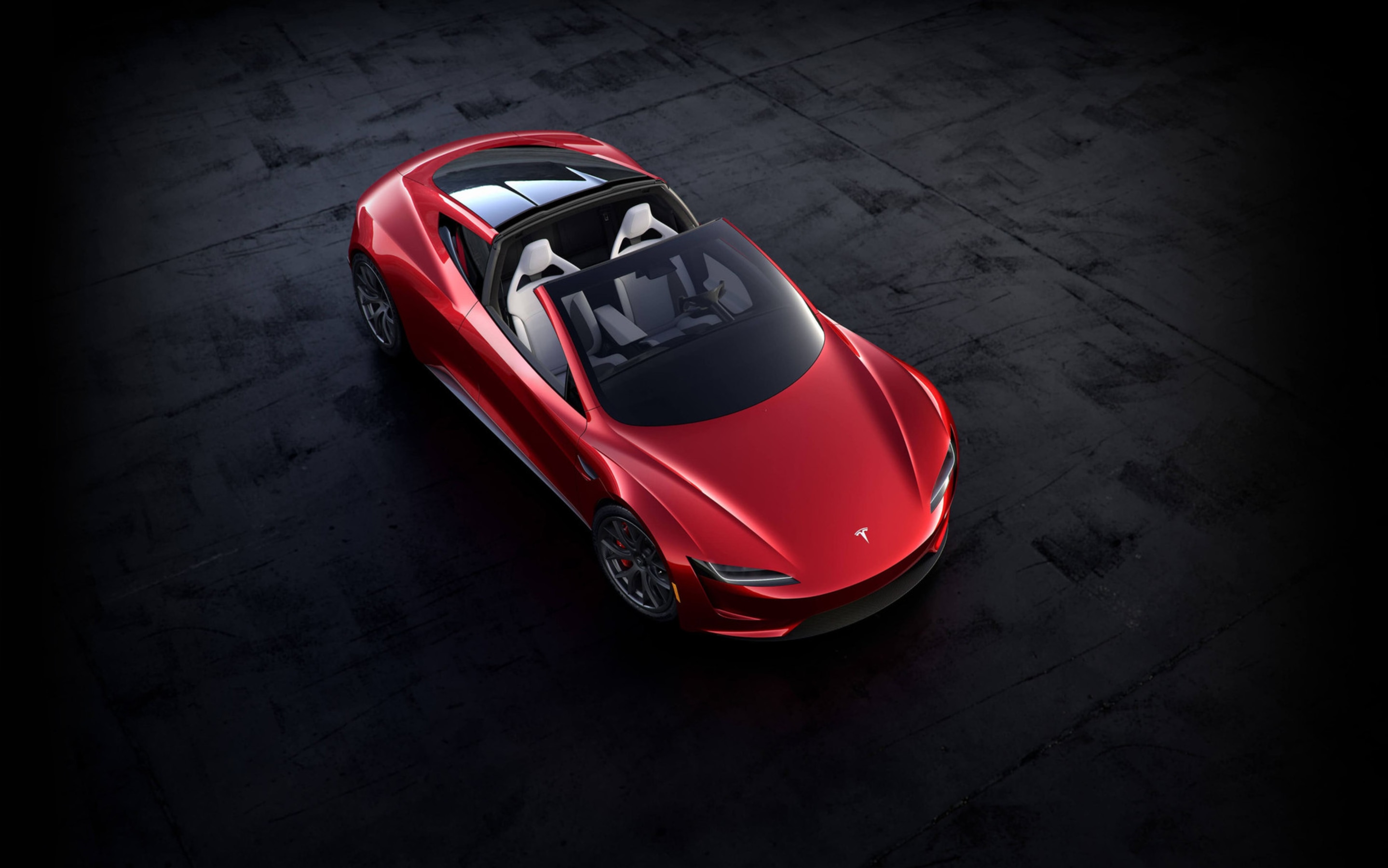
Tesla's Roadster, first announced in 2017, has captured the imagination of car enthusiasts worldwide with its ambitious performance claims. Among these, the most debated is its purported 0-60 mph acceleration time of just 1.9 seconds. This figure, if achieved, would make it the fastest production car ever built, surpassing even the most exotic hypercars. But is this claim rooted in the realm of physics, or is it simply marketing hype?
The Physics of Acceleration
To understand the feasibility of the Roadster's acceleration claim, it's essential to delve into the physics of acceleration. Acceleration is the rate of change of velocity over time, and it is governed by Newton's second law of motion: F = ma, where F is the net force acting on an object, m is its mass, and a is its acceleration.
In the context of a car, the force responsible for acceleration is the traction force exerted by the tires on the road. This force is limited by the coefficient of friction between the tires and the road surface, as well as the weight of the car. The higher the coefficient of friction and the greater the weight, the more traction force is available, and the faster the car can accelerate.
However, there are also factors that can limit acceleration. Air resistance, or drag, increases with the square of the car's velocity, and it opposes the motion of the car. Rolling resistance, caused by the deformation of the tires as they roll, also contributes to energy loss and reduces acceleration.
Electric Power and Instant Torque
Electric vehicles (EVs) like the Roadster have a distinct advantage over gasoline-powered cars when it comes to acceleration. Electric motors can deliver maximum torque instantly, whereas gasoline engines need to rev up to their peak torque output. This instant torque allows EVs to launch off the line with incredible speed.
Furthermore, EVs can use sophisticated torque vectoring systems to distribute power to individual wheels, optimizing traction and stability during acceleration. These systems can help prevent wheelspin, which can waste energy and reduce acceleration.
The Roadster's Technical Specifications
The Roadster is expected to have a tri-motor all-wheel-drive (AWD) system, with one motor powering the front wheels and two motors powering the rear wheels. This AWD setup will provide exceptional traction and control, allowing the car to put its power down effectively.
Tesla has also claimed that the Roadster will have a battery pack with a capacity of 200 kWh, which is significantly larger than the battery packs in most other EVs. This large battery pack will provide ample power for sustained acceleration and a long driving range.
Challenges to Achieving 1.9 Seconds
Despite the advantages of EVs and the Roadster's impressive specifications, achieving a 0-60 mph time of 1.9 seconds is still a significant challenge. Here are some of the factors that could hinder the Roadster's ability to reach this target:
- Tire Technology: Tires play a crucial role in acceleration. To achieve a 0-60 mph time of 1.9 seconds, the Roadster will need tires with an exceptionally high coefficient of friction. These tires would likely be specialized performance tires designed for maximum grip, but they may have a short lifespan and poor performance in wet conditions.
- Weight: Weight is the enemy of acceleration. The heavier the car, the more force is required to accelerate it. The Roadster's large battery pack will undoubtedly add weight, which could negatively impact its acceleration.
- Aerodynamics: Air resistance increases exponentially with speed. At high speeds, air resistance can become a significant force opposing acceleration. The Roadster will need to have a highly aerodynamic design to minimize air resistance and maximize acceleration.
- Launch Control System: A sophisticated launch control system is essential for achieving optimal acceleration. This system must precisely manage the power output of the motors, the slip of the tires, and the weight transfer of the car to maximize traction and minimize wheelspin.
- Road Surface: The road surface can also affect acceleration. A smooth, dry road will provide the best traction, while a rough or wet road will reduce traction and increase wheelspin.
- Repeatability: Achieving a 0-60 mph time of 1.9 seconds once is impressive, but doing it consistently is even more challenging. Factors such as battery temperature, tire temperature, and ambient temperature can affect the car's performance and make it difficult to achieve consistent acceleration times.
The SpaceX Package
Tesla has also hinted at a "SpaceX Package" for the Roadster, which would include cold gas thrusters integrated into the car. These thrusters would provide additional thrust to further enhance acceleration. However, the use of cold gas thrusters in a road car raises several safety and regulatory concerns.
- Safety: Cold gas thrusters could be dangerous if not used properly. They could potentially cause the car to lose control or even become airborne.
- Regulations: The use of cold gas thrusters in a road car may not be legal in all jurisdictions. Regulators may have concerns about the safety and environmental impact of these systems.
Conclusion: Physics or Hype?
The Tesla Roadster's 0-60 mph acceleration claim of 1.9 seconds is undoubtedly ambitious. While the physics of acceleration suggest that it is theoretically possible, achieving this feat in a production car will be a significant engineering challenge.
The Roadster will need to have exceptional tires, a lightweight design, advanced aerodynamics, a sophisticated launch control system, and a smooth, dry road surface to reach its target acceleration time. The SpaceX Package, with its cold gas thrusters, could potentially provide an additional boost, but it also raises safety and regulatory concerns.
Whether the Roadster can ultimately deliver on its promise remains to be seen. However, even if it falls short of the 1.9-second mark, it is likely to be one of the fastest and most exciting cars ever built.
Additional Considerations:
- Testing Methodology: It's important to consider the testing methodology used to measure the Roadster's acceleration. Some manufacturers use a "rollout" method, which subtracts the first few inches of movement from the timing, resulting in a slightly faster 0-60 mph time. It's crucial to know whether Tesla's claim is based on a rollout or a standing start.
- Independent Verification: The true test of the Roadster's acceleration will come when independent automotive publications and testing organizations can verify its performance. These tests will provide unbiased and objective data on the car's capabilities.
- Real-World Performance: Even if the Roadster can achieve a 0-60 mph time of 1.9 seconds in ideal conditions, its real-world performance may be different. Factors such as traffic, road conditions, and driver skill can all affect acceleration.
- The Price Factor: The Roadster is expected to be a very expensive car, with a base price of $200,000. This price tag will put it out of reach for most consumers, making it an exclusive and aspirational vehicle.
The Impact of the Roadster:
Regardless of whether it achieves its 0-60 mph target, the Tesla Roadster has already had a significant impact on the automotive industry. It has pushed the boundaries of what is possible with electric vehicle technology and has inspired other manufacturers to develop high-performance EVs. The Roadster has also generated a great deal of excitement and interest in electric cars, helping to accelerate the transition to a more sustainable transportation future.
The Future of Performance EVs:
The Tesla Roadster is just the beginning of a new era of performance electric vehicles. As battery technology improves, electric motors become more powerful, and aerodynamics become more refined, we can expect to see even faster and more capable EVs in the years to come. The future of performance cars is undoubtedly electric, and the Roadster is leading the charge.
Ultimately, the Roadster's 0-60 mph claim remains a subject of debate and anticipation. Whether it's physics or hype, it has undoubtedly captured the world's attention and sparked a conversation about the future of automotive performance. Only time will tell if the Roadster can live up to its ambitious promise, but one thing is certain: it will be a car to watch.












Comments
Post a Comment