In recent years, the electric vehicle (EV) industry has seen remarkable growth and innovation. As more manufacturers enter the market and charging infrastructure expands, the need for standardization becomes increasingly apparent. One significant development in this regard is the adoption of the North American Charging Standard (NACS), originally developed by Tesla, by several non-Tesla EV manufacturers. This article explores the implications of NACS adoption for non-Tesla EVs, examining the benefits, challenges, and potential impact on the future of EV charging.
Understanding the NACS Standard
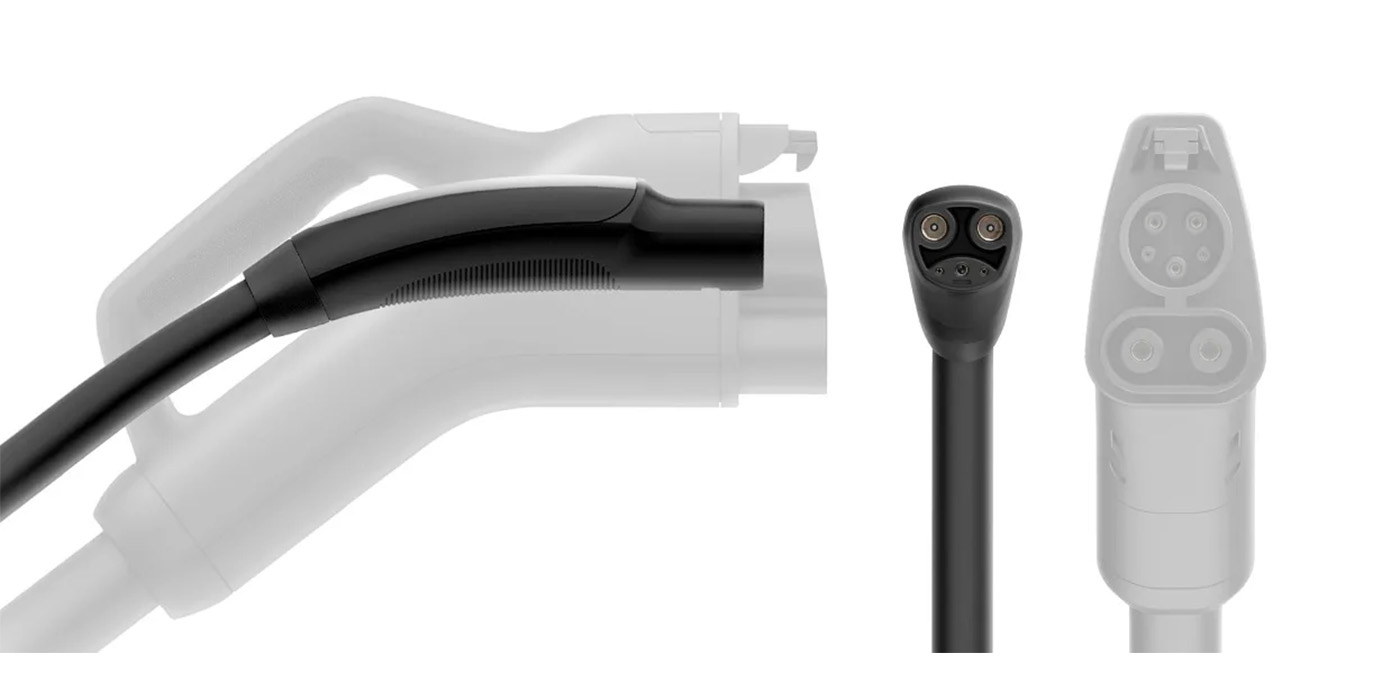
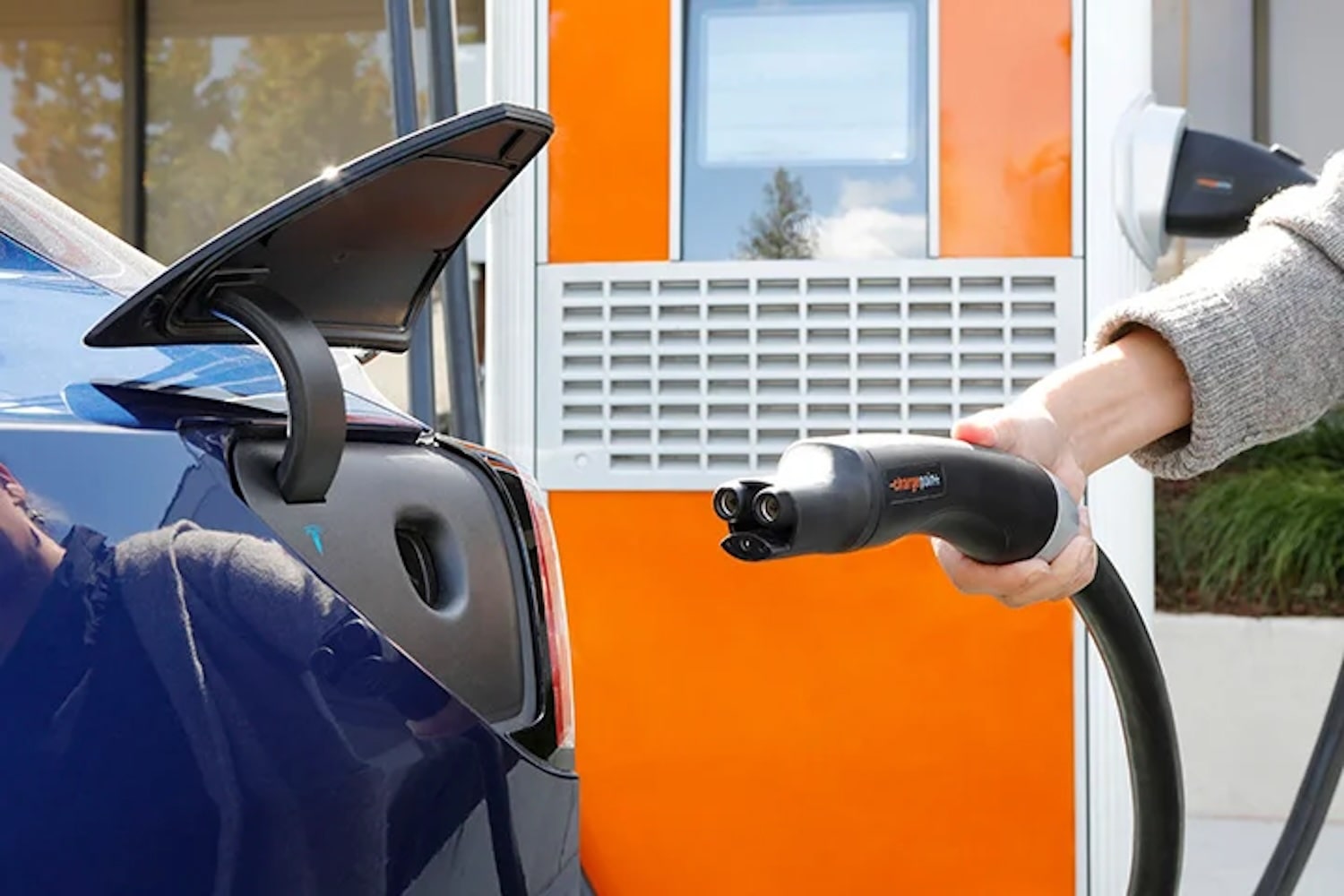
The North American Charging Standard (NACS), previously known as the Tesla charging connector, is a charging connector and protocol developed by Tesla. Unlike the Combined Charging System (CCS), which is widely used by non-Tesla EVs in North America, NACS combines both AC and DC charging into a single port. This design offers several advantages, including a smaller connector size, higher charging efficiency, and easier integration into vehicle designs.
Tesla has been using the NACS connector in its vehicles since 2012 and has built a vast network of Superchargers that exclusively support this standard. As Tesla's market share grew, the NACS connector became increasingly prevalent, prompting discussions about its potential as a universal charging standard.
The Shift Towards NACS Adoption
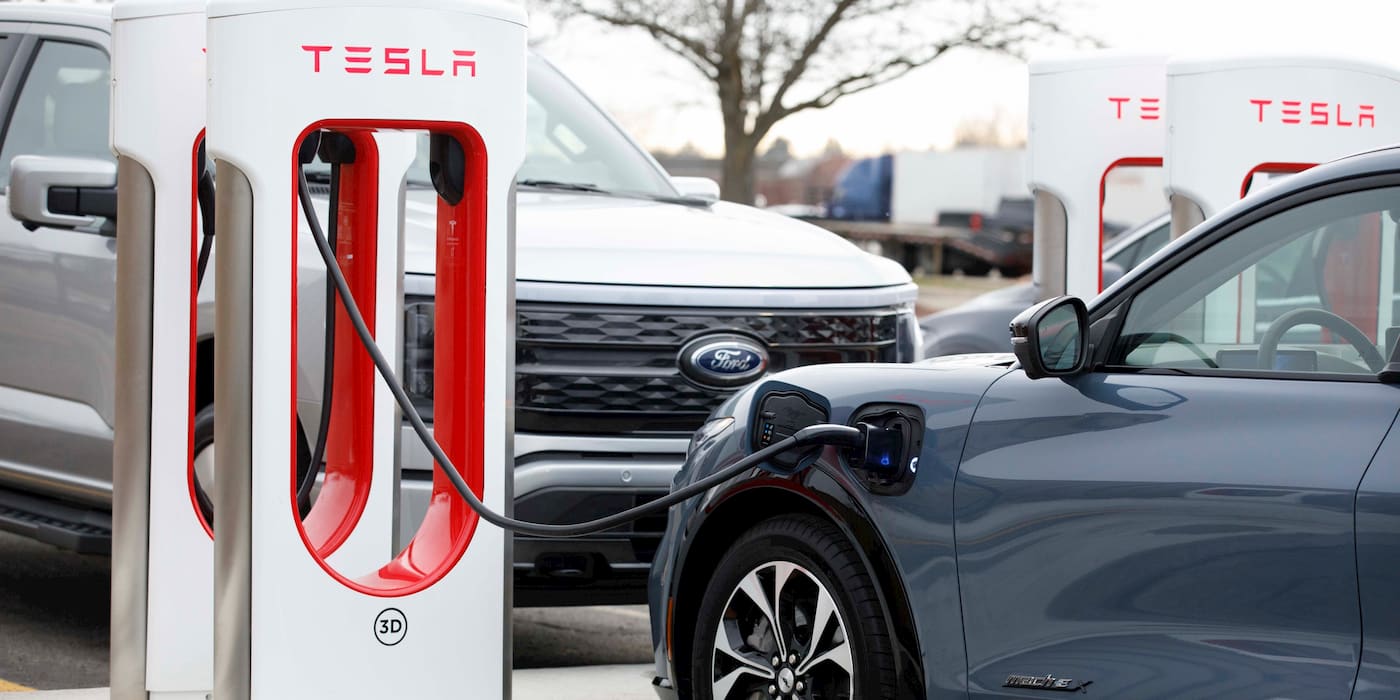
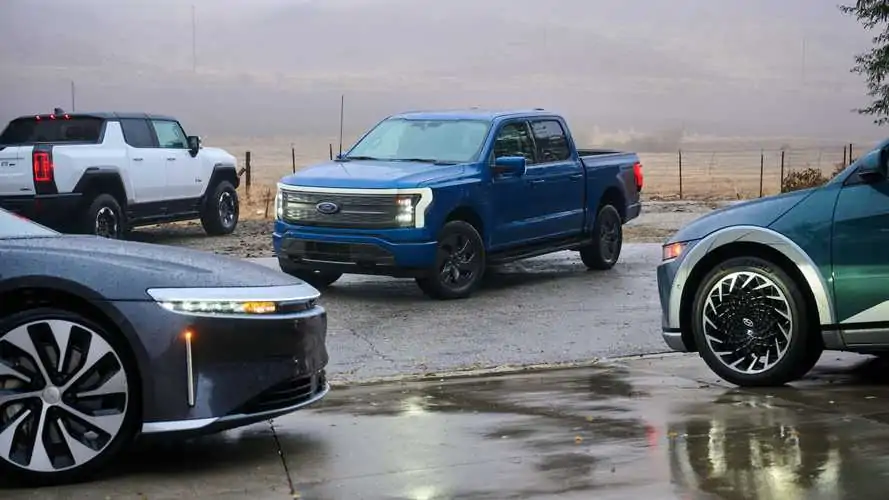
In a significant move, Tesla opened up the design and specifications of the NACS connector to other manufacturers in late 2022, encouraging its adoption as an industry standard. Several non-Tesla EV manufacturers, including Ford, General Motors, Rivian, Volvo, and Polestar, have since announced plans to integrate NACS ports into their future vehicles.
These manufacturers have recognized the benefits of NACS, including access to Tesla's extensive Supercharger network and the potential for a more streamlined charging experience for their customers. By adopting NACS, non-Tesla EVs can utilize the existing charging infrastructure, alleviating range anxiety and improving overall EV adoption rates.
Benefits of NACS Adoption for Non-Tesla EVs
-
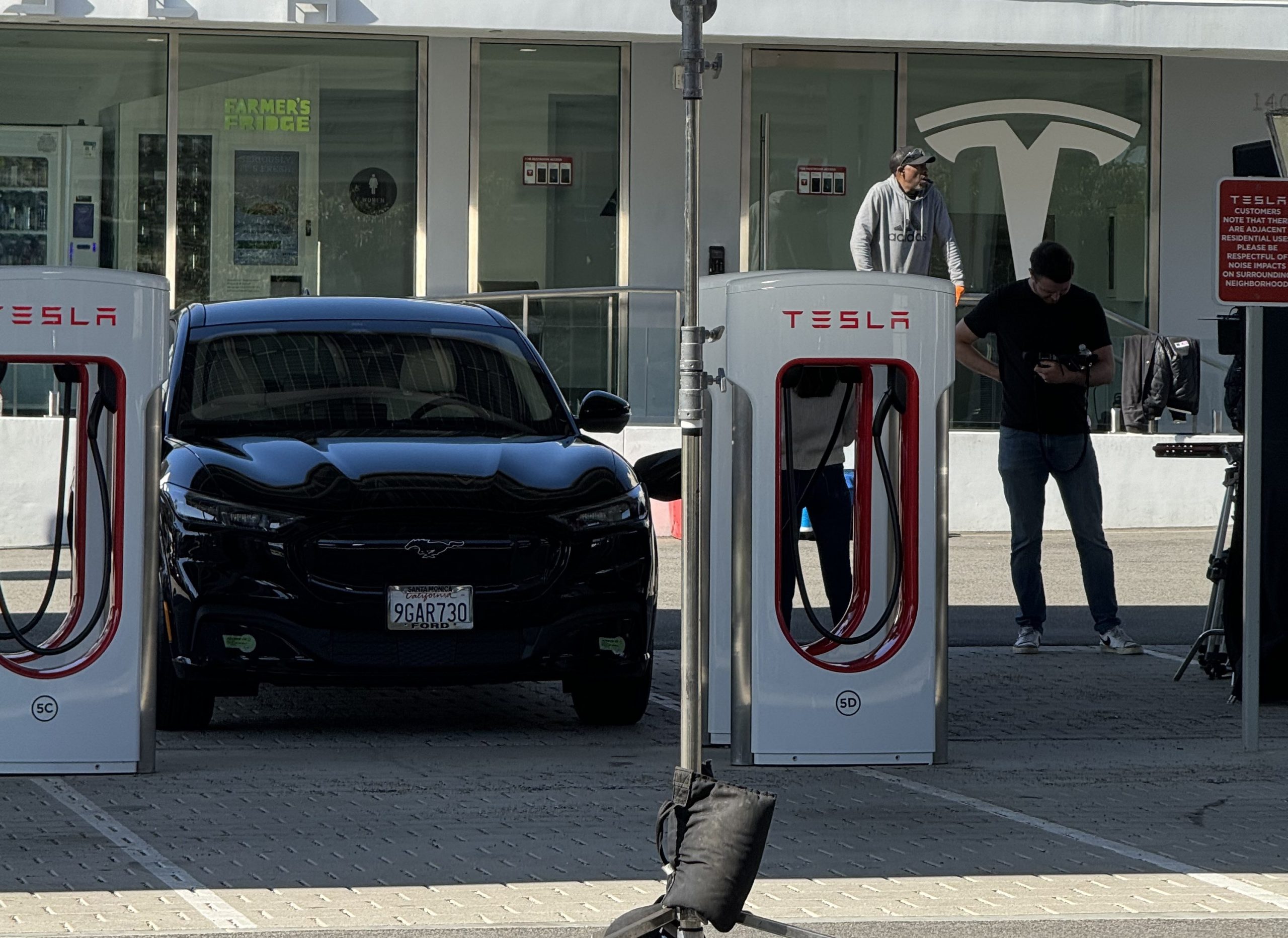
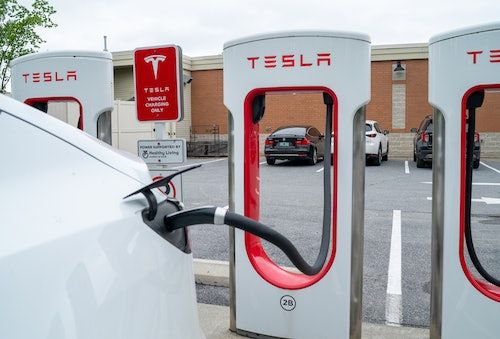
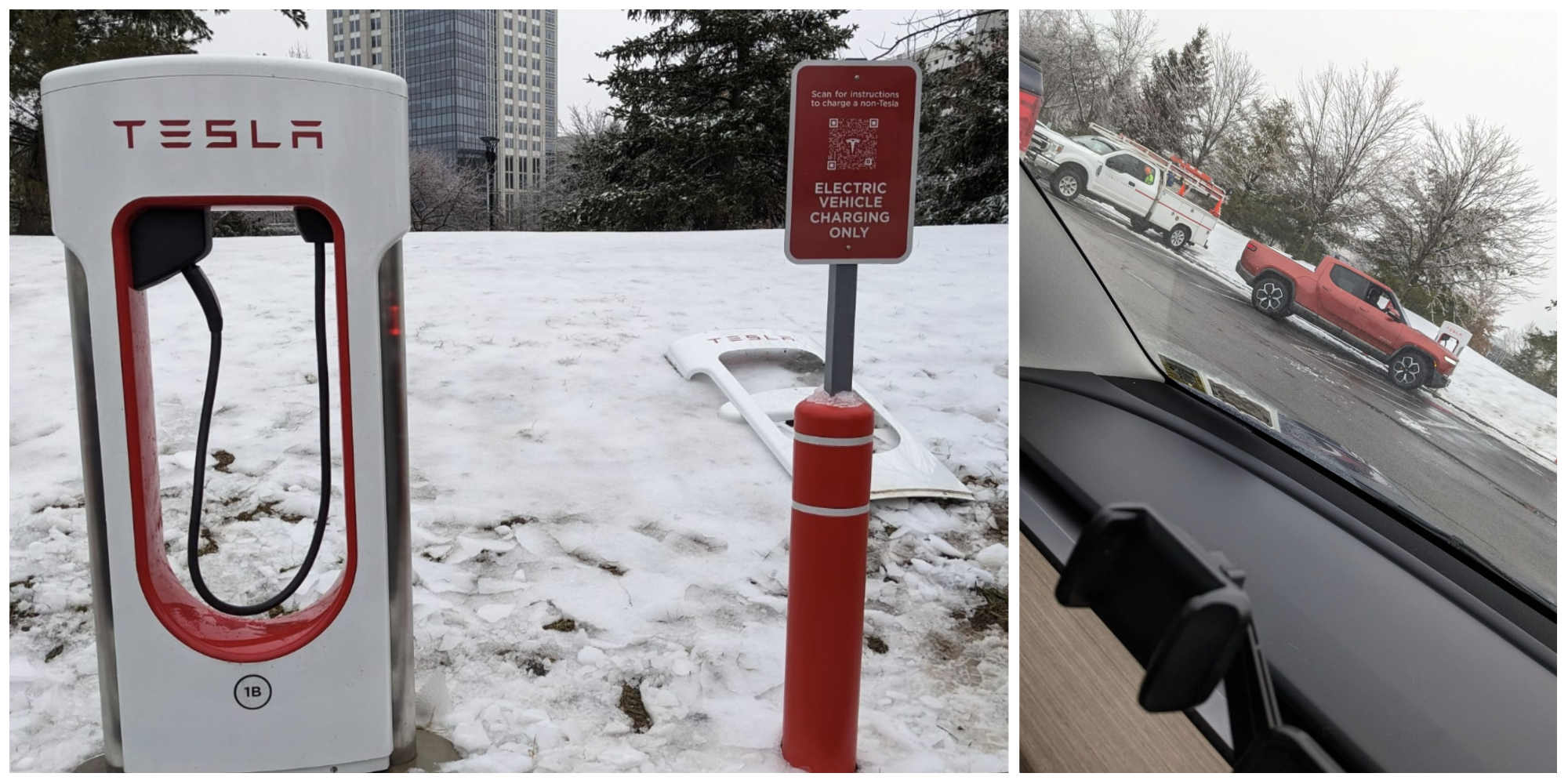
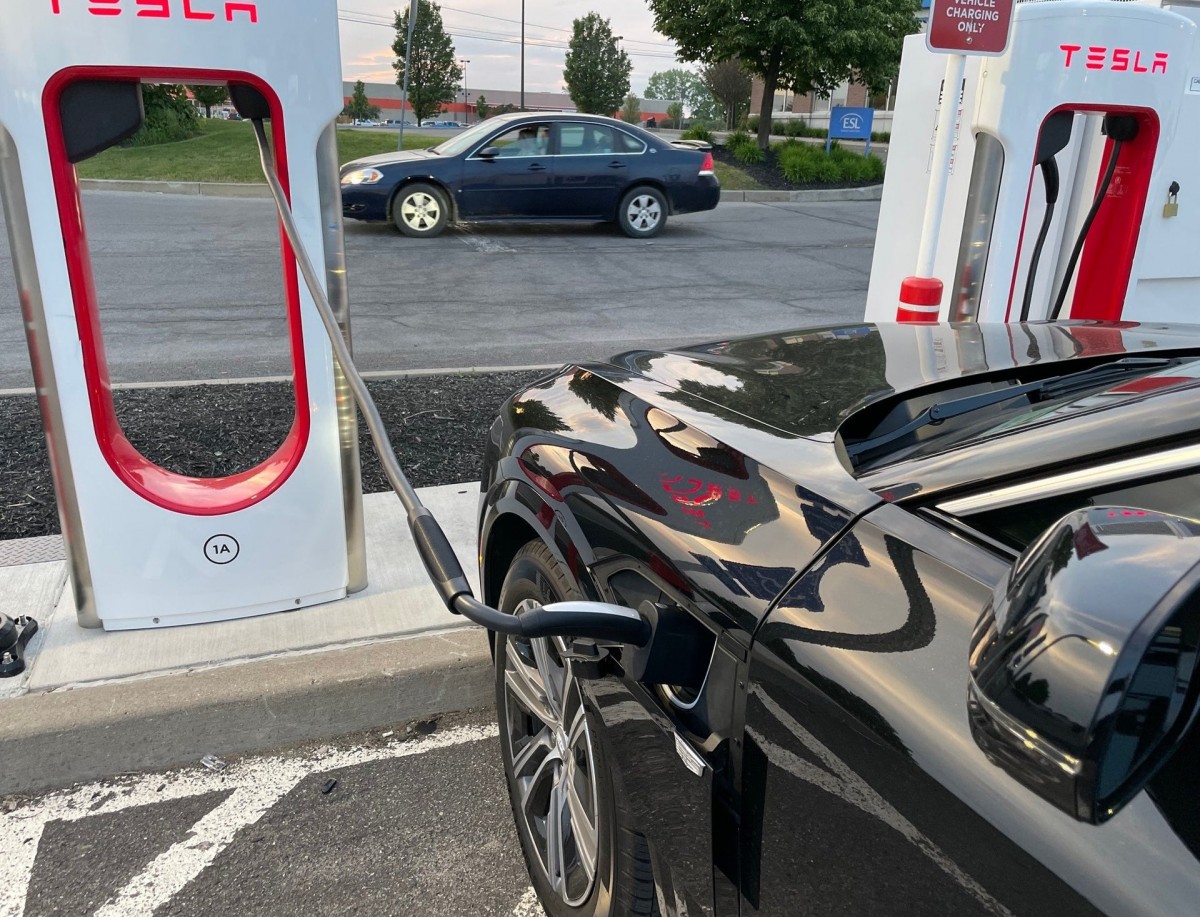
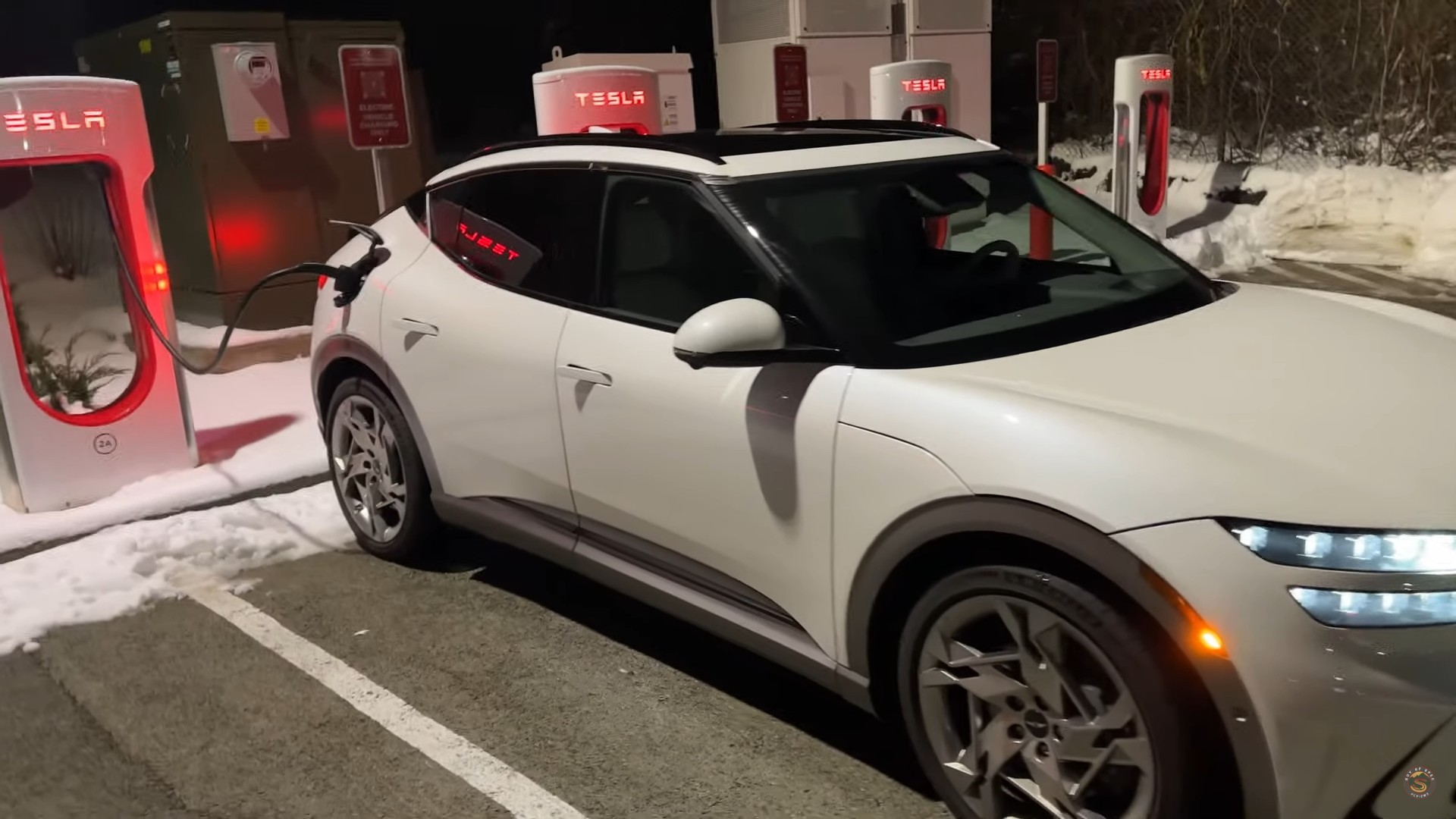
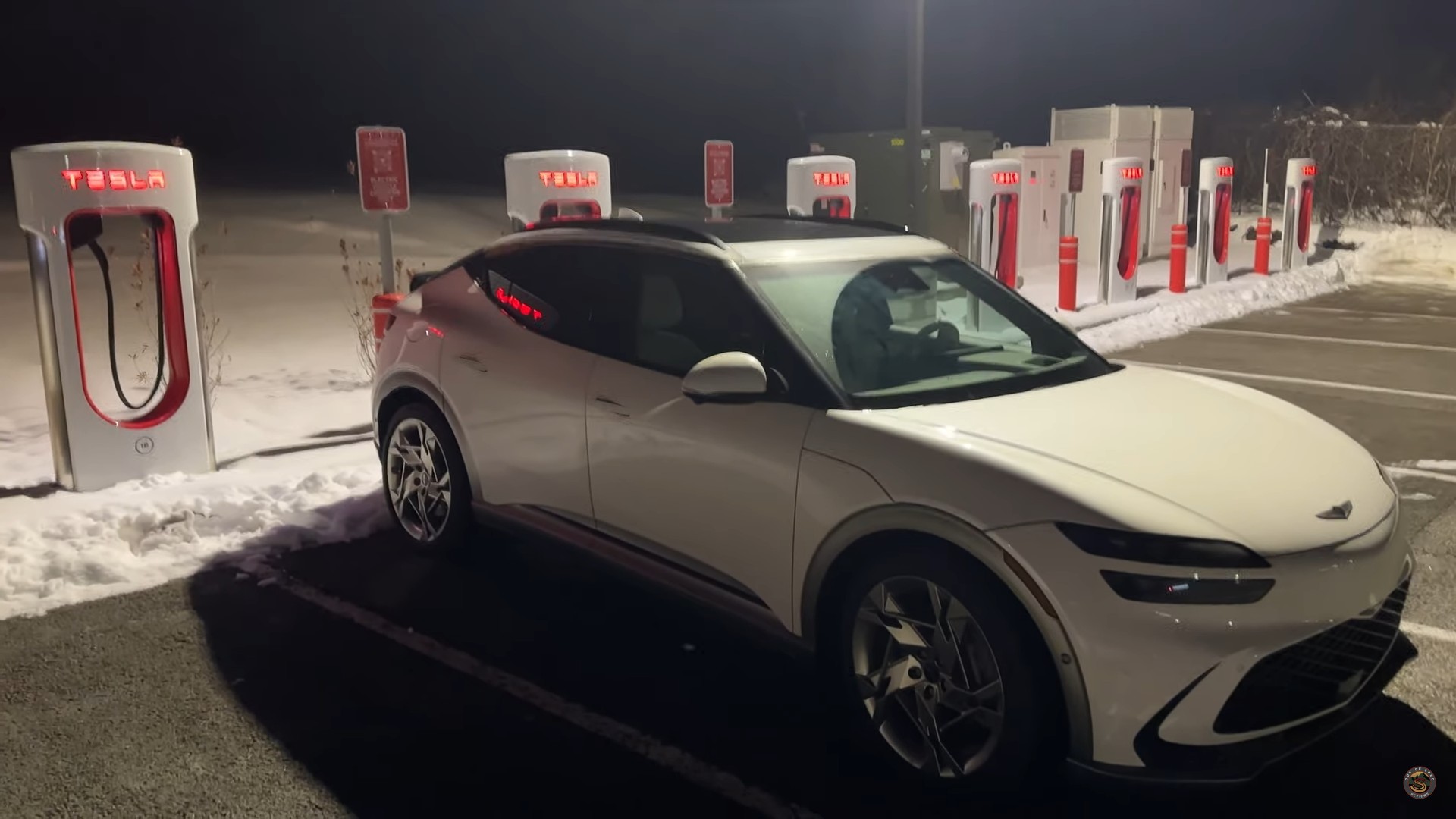
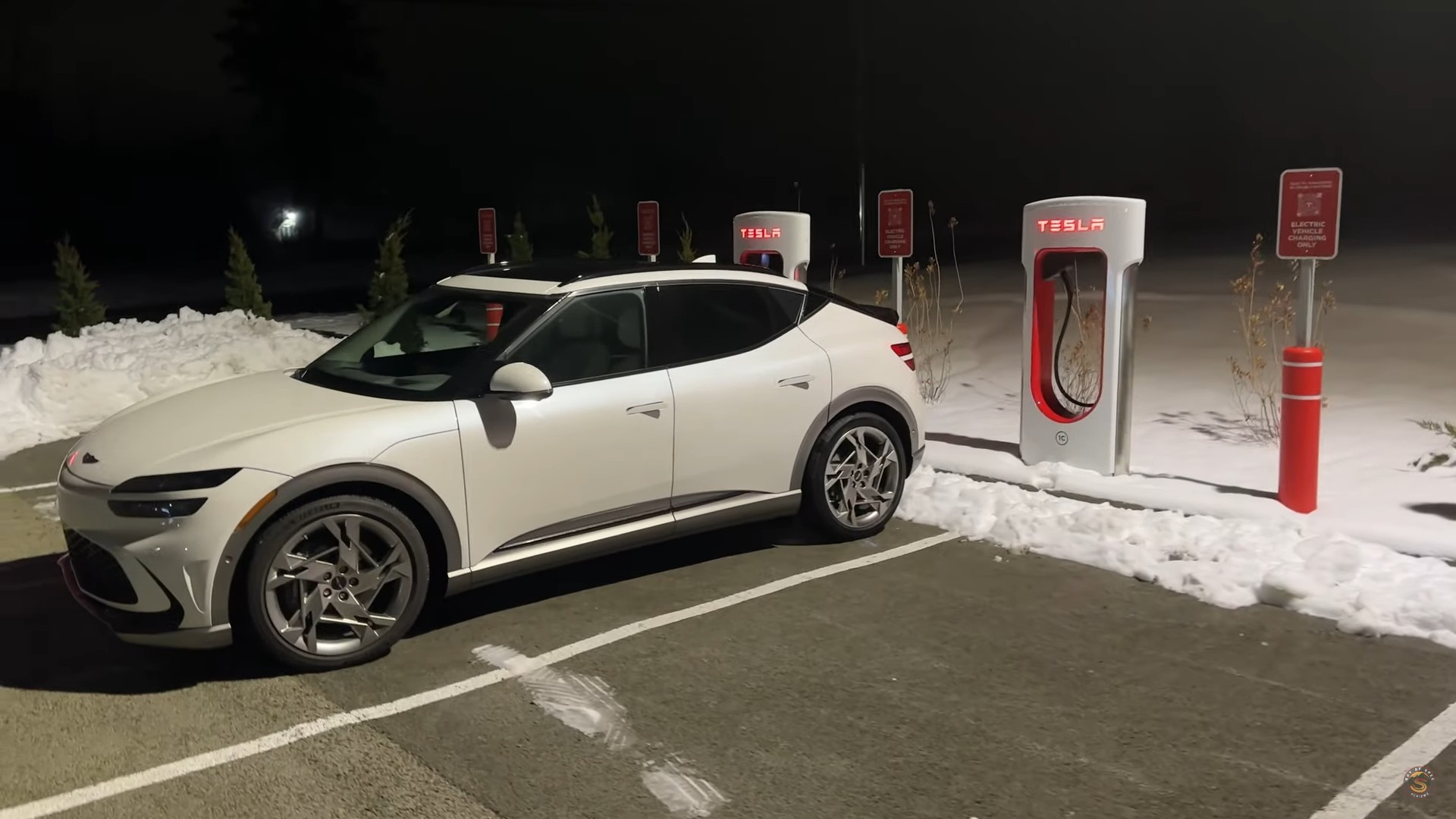
Access to Tesla's Supercharger Network: One of the primary advantages of NACS adoption is access to Tesla's vast Supercharger network. Tesla operates thousands of Supercharger stations across North America, providing fast and reliable charging for EV owners. Non-Tesla EV owners can now take advantage of this network, significantly expanding their charging options and reducing concerns about finding compatible charging stations.
-
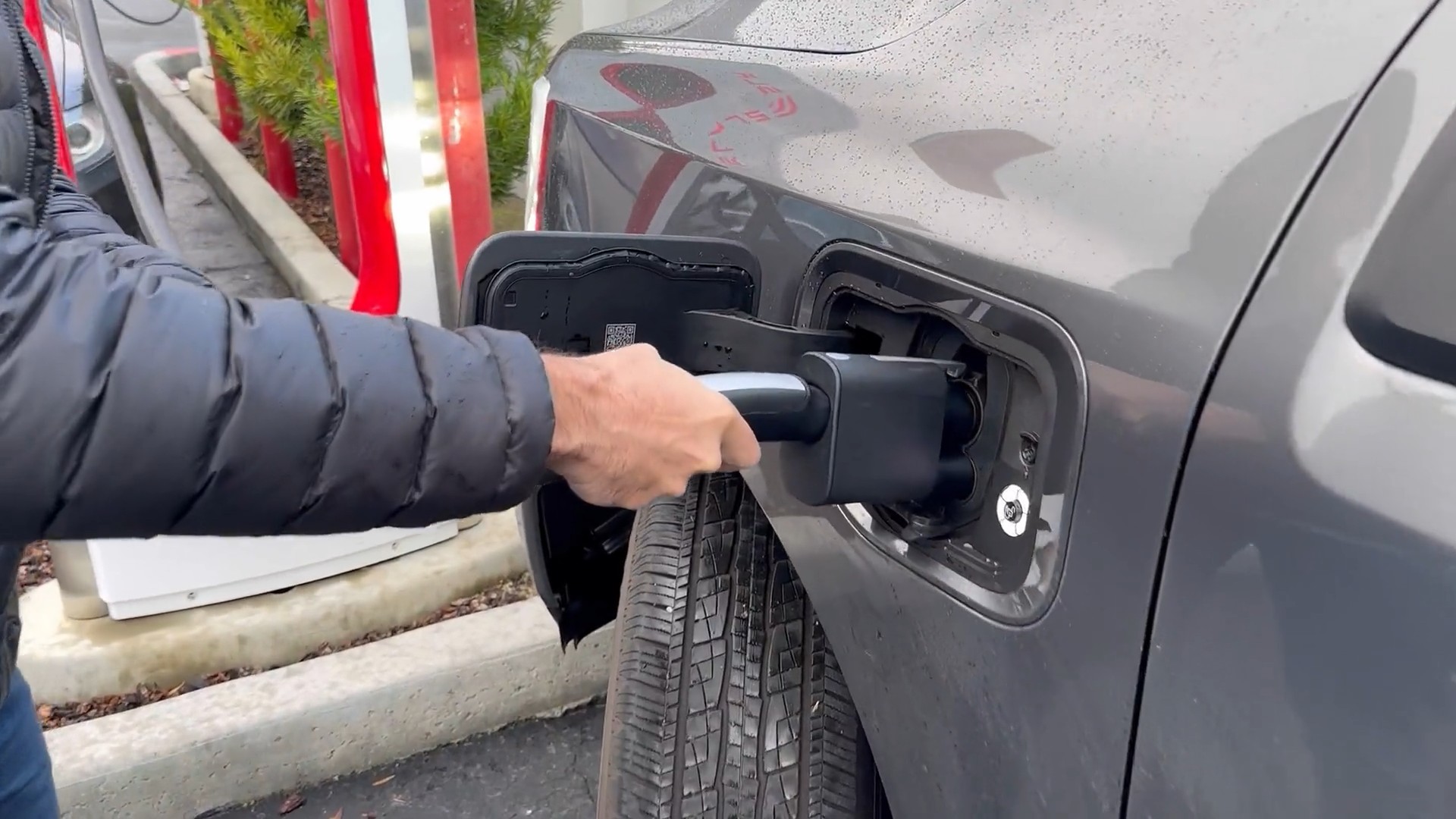
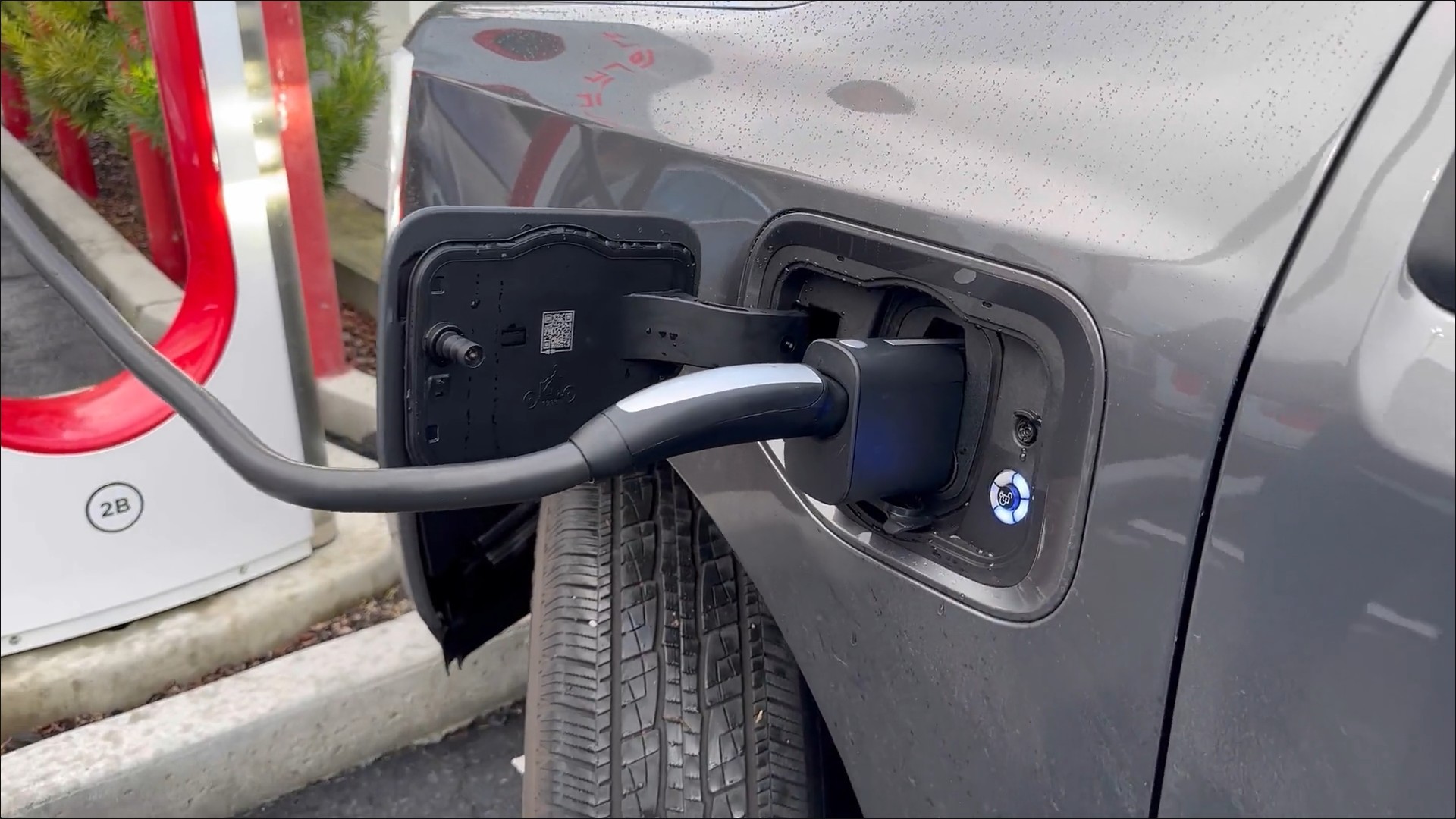
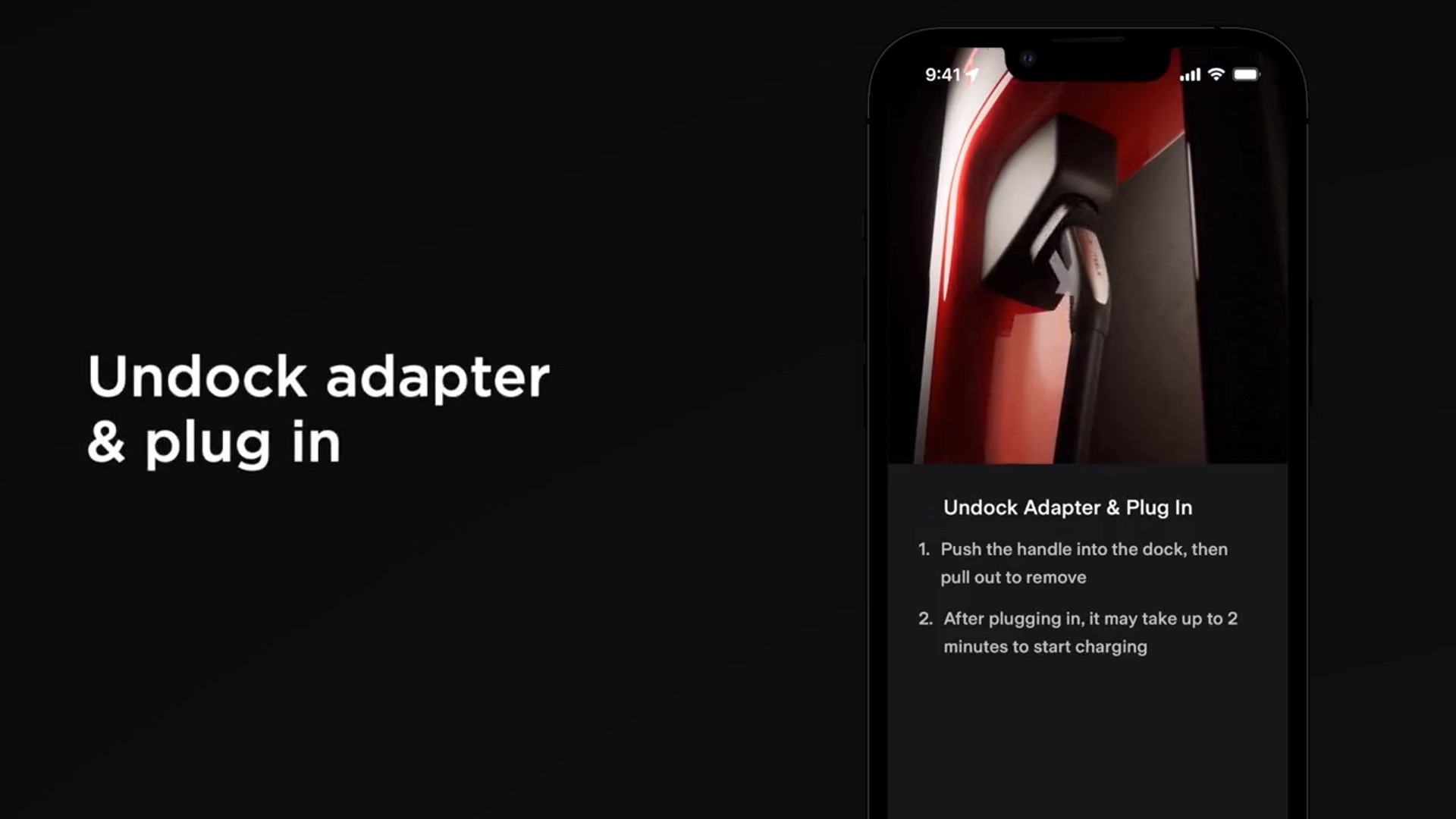
Improved Charging Experience: NACS offers a more streamlined and user-friendly charging experience compared to CCS. The single-port design eliminates the need for separate AC and DC charging ports, simplifying the charging process. Additionally, NACS connectors are generally smaller and lighter, making them easier to handle and connect.
-
Enhanced Charging Efficiency: NACS is designed for high-efficiency charging, minimizing energy loss during the charging process. This can result in faster charging times and reduced energy costs for EV owners.
-
Increased EV Adoption: By addressing range anxiety and improving the charging experience, NACS adoption can contribute to increased EV adoption rates. As more non-Tesla EVs gain access to the Supercharger network, potential EV buyers may feel more confident in making the switch to electric vehicles.
-
Cost Savings: Standardizing on a single charging connector can lead to cost savings for both manufacturers and consumers. Manufacturers can streamline their vehicle designs and reduce production costs, while consumers can avoid the need for multiple charging adapters.
Challenges and Considerations
Despite the numerous benefits, NACS adoption also presents certain challenges and considerations:
-
CCS Infrastructure Compatibility: The existing CCS charging infrastructure is already well-established, with thousands of charging stations deployed across North America. Non-Tesla EVs that adopt NACS will need to maintain compatibility with CCS chargers to ensure access to the full range of charging options. This can be achieved through the use of adapters or by incorporating both NACS and CCS ports into vehicles.
-
Charging Station Upgrades: To fully support NACS, existing CCS charging stations may require upgrades or modifications. This could involve adding NACS connectors to existing chargers or deploying new chargers that support both NACS and CCS. The cost and timeline for these upgrades will need to be carefully considered.
-
Standardization and Interoperability: While NACS has been opened up as a potential industry standard, further standardization and interoperability testing will be necessary to ensure seamless charging across different vehicles and charging networks. This will require collaboration between manufacturers, charging network operators, and industry organizations.
-
Tesla's Dominance: The adoption of NACS by non-Tesla EVs could further solidify Tesla's dominance in the EV market. Tesla's Supercharger network is already a significant competitive advantage, and NACS adoption could make it even more difficult for other manufacturers to compete.
-
Regulatory and Policy Considerations: Governments and regulatory bodies may need to play a role in promoting standardization and ensuring fair access to charging infrastructure. This could involve setting standards for charging connectors, mandating interoperability, or providing incentives for charging station upgrades.
Impact on the Future of EV Charging
The adoption of NACS by non-Tesla EVs has the potential to significantly impact the future of EV charging. If NACS becomes the dominant charging standard in North America, it could lead to a more streamlined and user-friendly charging experience for all EV owners. This could accelerate EV adoption and help to reduce greenhouse gas emissions from the transportation sector.
However, the transition to NACS will require careful planning and coordination. Manufacturers, charging network operators, and governments will need to work together to ensure that the existing CCS infrastructure remains accessible and that charging station upgrades are implemented efficiently.
Conclusion
The adoption of the North American Charging Standard (NACS) by non-Tesla EVs is a significant development in the electric vehicle industry. By gaining access to Tesla's vast Supercharger network and benefiting from a more streamlined charging experience, non-Tesla EV owners can enjoy greater convenience and reduced range anxiety. While challenges and considerations remain, the potential benefits of NACS adoption for increased EV adoption and a more standardized charging ecosystem are substantial. As the EV market continues to evolve, the widespread adoption of NACS could play a crucial role in shaping the future of EV charging and accelerating the transition to sustainable transportation.

















Comments
Post a Comment