In today's fast-paced world, convenience and security are paramount. The automotive industry has responded to these needs by introducing innovative technologies like keyless entry systems and phone-as-a-key functionality. These features provide seamless access to your vehicle, enhanced security measures, and a modern driving experience. In this comprehensive guide, we will explore the world of keyless entry systems and phone key setup, providing a step-by-step guide to help you navigate these technologies with ease.
Understanding Keyless Entry Systems
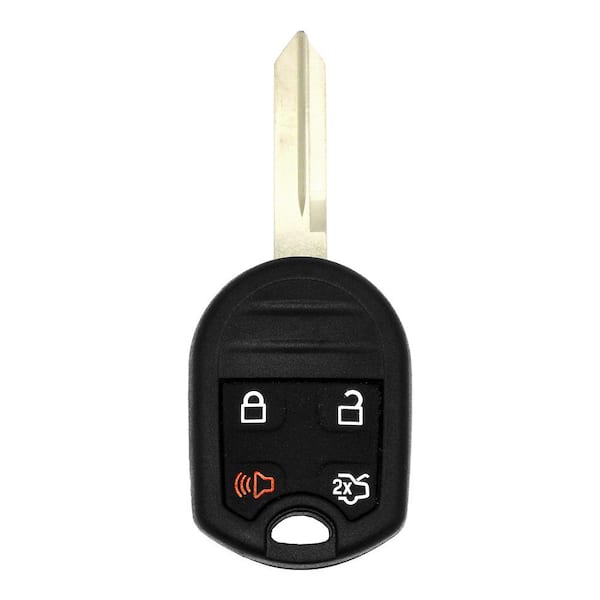
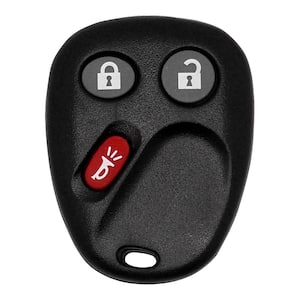
Keyless entry systems, also known as remote keyless systems (RKS), have revolutionized how we interact with our vehicles. Gone are the days of fumbling with keys to unlock your car doors. With keyless entry, you can effortlessly unlock and lock your vehicle with the press of a button on a key fob or through a smartphone app.
Benefits of Keyless Entry Systems
Keyless entry systems offer a plethora of benefits, including:
-
Convenience: Keyless entry eliminates the need to physically insert a key into the door lock. Simply press a button on your key fob or use a smartphone app to unlock your car doors.
-
Enhanced Security: Keyless entry systems often incorporate advanced security features, such as rolling codes, which prevent unauthorized access to your vehicle.
-
Remote Start: Many keyless entry systems include a remote start feature, allowing you to start your engine from a distance, which is especially useful in extreme weather conditions.
-
Panic Alarm: Keyless entry systems typically include a panic alarm, which can be activated in emergency situations to deter potential threats.
Types of Keyless Entry Systems
Keyless entry systems come in various forms, each with its own set of features and capabilities:
-
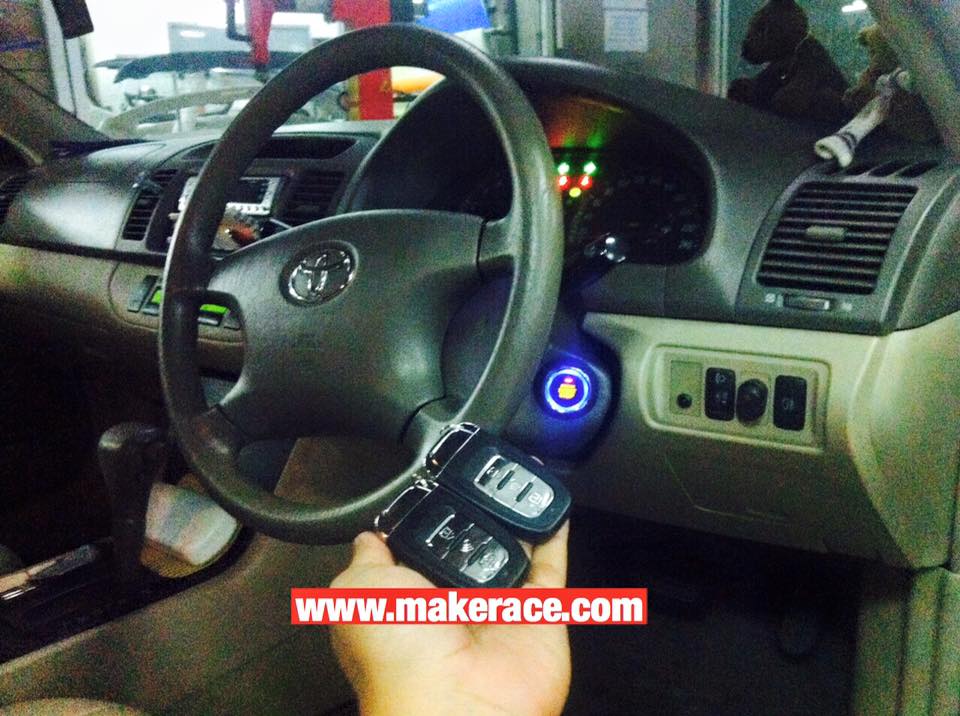
Remote Keyless Entry (RKE): RKE systems use a key fob with buttons to lock, unlock, and sometimes start your vehicle.
-
Passive Keyless Entry (PKE): PKE systems automatically unlock your vehicle when the key fob is within a certain proximity, such as in your pocket or purse.
-
Phone-as-a-Key: Phone-as-a-key systems allow you to use your smartphone as a virtual key to unlock, lock, and start your vehicle.
Setting Up a Keyless Entry System
Setting up a keyless entry system typically involves the following steps:
-
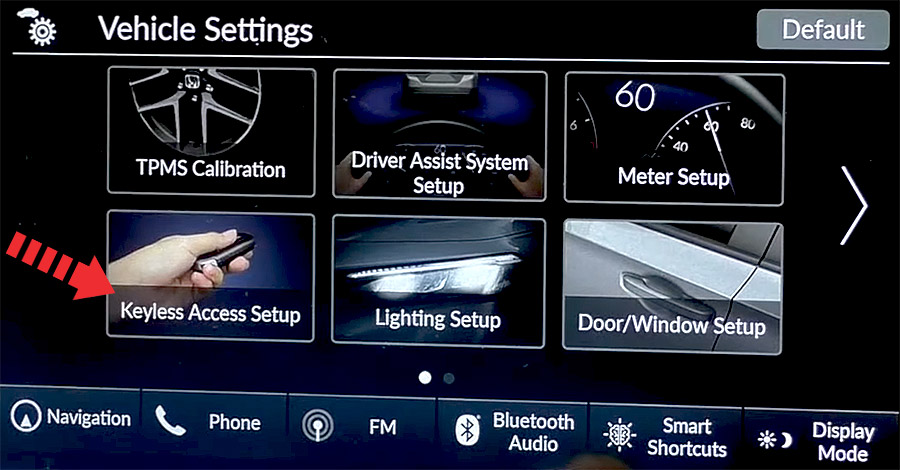
Consult Your Vehicle's Manual: Refer to your vehicle's owner's manual for specific instructions on how to program the key fob or smartphone app for your keyless entry system.
-
Locate the Programming Port: The programming port is usually located under the dashboard or in the glove compartment.
-
Enter Programming Mode: Follow the instructions in your vehicle's manual to enter programming mode. This usually involves pressing a sequence of buttons or turning the ignition key on and off.
-
Program the Key Fob: Once in programming mode, press the lock or unlock button on the key fob to program it to your vehicle.
-
Test the System: After programming the key fob, test the system to ensure that it is working properly.
Phone Key Setup: A Step-by-Step Guide
Phone-as-a-key technology is rapidly gaining popularity, offering a convenient and secure way to access your vehicle using your smartphone. Here's a step-by-step guide on how to set up a phone key system:
-
Check Compatibility: Ensure that your vehicle and smartphone are compatible with the phone-as-a-key system. Most major automakers now offer phone key functionality in their newer models.
-
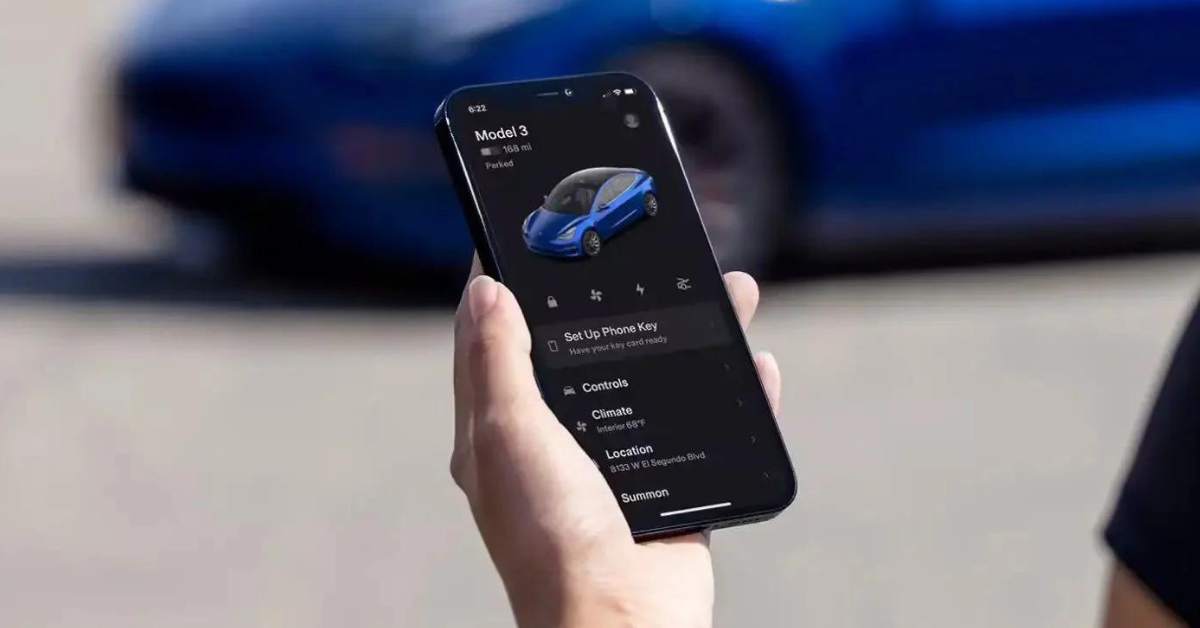
Download the Vehicle's App: Download the official app for your vehicle from the App Store (iOS) or Google Play Store (Android).
-
Create an Account: Create an account within the app and link it to your vehicle using your vehicle identification number (VIN).
-
Enable Phone Key Functionality: Within the app, navigate to the phone key settings and enable the feature.
-
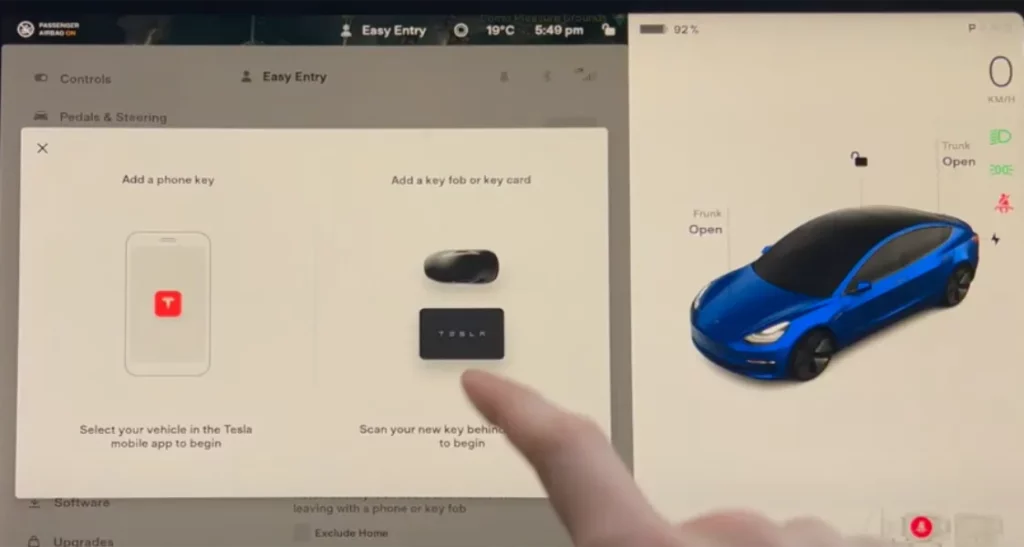
Pair Your Smartphone: Follow the on-screen instructions to pair your smartphone with your vehicle. This usually involves using Bluetooth or Near Field Communication (NFC).
-
Grant Permissions: Grant the app the necessary permissions to access your vehicle's systems, such as Bluetooth, location services, and camera.
-
Test the System: After pairing your smartphone, test the system to ensure that it is working properly. You should be able to lock, unlock, and start your vehicle using the app.
Troubleshooting Keyless Entry and Phone Key Systems
While keyless entry and phone key systems are generally reliable, occasional issues may arise. Here are some common troubleshooting tips:
-
Key Fob Battery: If your key fob is not working, the battery may be low. Replace the battery with a new one.
-
Interference: Radio frequency interference can sometimes disrupt the signal between the key fob and your vehicle. Try moving to a different location or removing any potential sources of interference.
-
Dead Battery: If your vehicle's battery is dead, the keyless entry system will not work. Jump-start your vehicle or replace the battery.
-
Software Updates: Ensure that your vehicle's software and the smartphone app are up to date. Software updates often include bug fixes and performance improvements.
-
Connectivity Issues: If you are experiencing connectivity issues with your phone key system, check your smartphone's Bluetooth and NFC settings.
-
App Permissions: Verify that the smartphone app has the necessary permissions to access your vehicle's systems.
-
Factory Reset: If all else fails, you may need to perform a factory reset on your keyless entry system or phone key system. Consult your vehicle's manual for instructions on how to do this.
Security Considerations
While keyless entry and phone key systems offer enhanced convenience and security, it's important to be aware of potential security risks:
-
Relay Attacks: Relay attacks involve thieves using electronic devices to intercept and amplify the signal from your key fob, allowing them to unlock and start your vehicle.
-
Smartphone Hacking: If your smartphone is hacked, thieves may be able to gain access to your vehicle through the phone key system.
-
App Vulnerabilities: Vulnerabilities in the smartphone app can be exploited by hackers to gain access to your vehicle.
To mitigate these security risks, consider the following:
-
Store Key Fobs Securely: Store your key fobs in a secure location, such as a Faraday bag, which blocks radio waves and prevents relay attacks.
-
Use Strong Passwords: Use strong, unique passwords for your smartphone and vehicle app accounts.
-
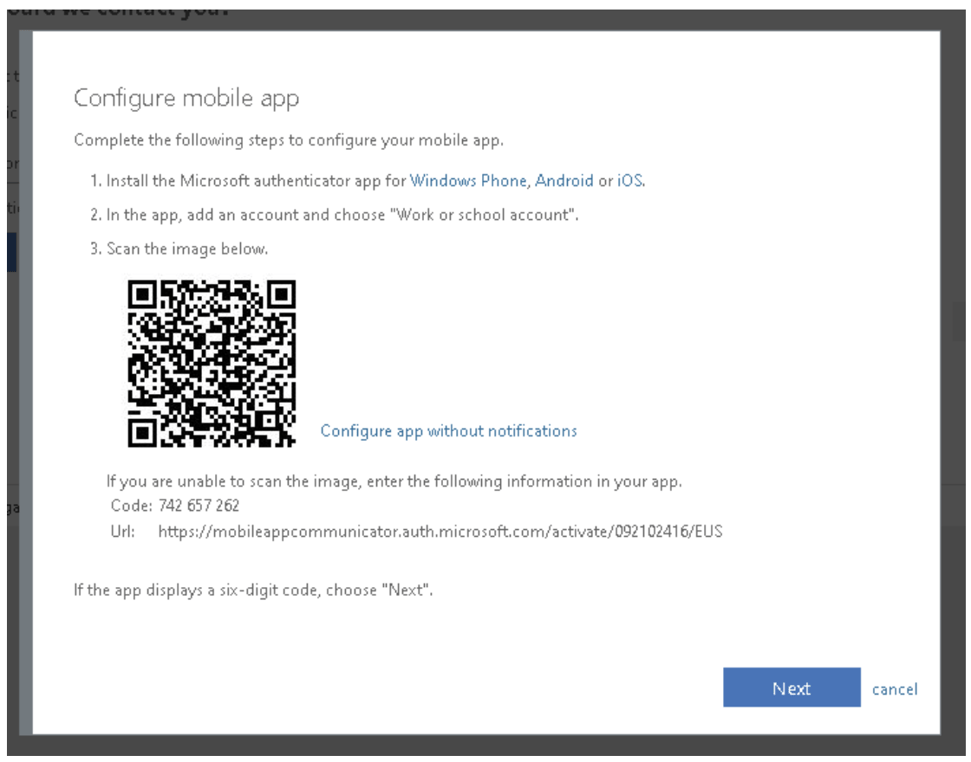
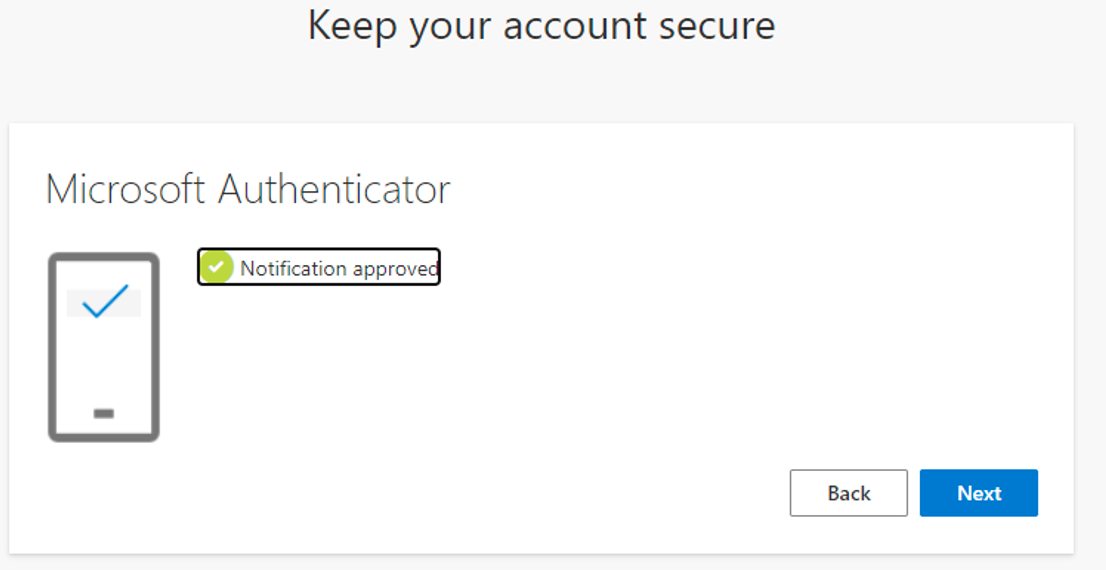
Enable Two-Factor Authentication: Enable two-factor authentication for your smartphone and vehicle app accounts to add an extra layer of security.
-
Keep Software Up to Date: Keep your smartphone's operating system and vehicle app up to date with the latest security patches.
-
Be Aware of Surroundings: Be aware of your surroundings and report any suspicious activity to the authorities.
The Future of Keyless Entry and Phone Key Systems
The future of keyless entry and phone key systems is bright, with ongoing advancements in technology promising even greater convenience, security, and functionality:
-
Biometric Authentication: Biometric authentication, such as fingerprint scanning and facial recognition, is likely to become more prevalent in keyless entry systems, adding an extra layer of security.
-
Artificial Intelligence (AI): AI-powered keyless entry systems will be able to learn your preferences and automatically adjust settings, such as seat position and climate control, based on your individual profile.
-
Over-the-Air (OTA) Updates: OTA updates will allow automakers to remotely update the software in your vehicle, adding new features and improving security.
-
Integration with Smart Home Devices: Keyless entry systems will increasingly integrate with smart home devices, allowing you to control your vehicle from your home and vice versa.
Conclusion
Keyless entry and phone key systems have transformed the way we interact with our vehicles, providing unparalleled convenience, enhanced security, and a modern driving experience. By understanding the different types of keyless entry systems, following the step-by-step setup guides, and taking appropriate security precautions, you can seamlessly integrate these technologies into your daily life and enjoy the benefits they offer. As technology continues to evolve, we can expect even more innovative features and capabilities in the future, making keyless entry and phone key systems an indispensable part of the modern automotive landscape.














Comments
Post a Comment