Tesla has revolutionized the automotive industry, not only with its electric powertrains but also with its meticulous attention to aerodynamic design. This focus on streamlining has been crucial in maximizing the performance and range of its vehicles, setting them apart from traditional combustion engine cars. Aerodynamics plays a vital role in electric vehicles (EVs) because reducing drag directly translates to increased efficiency and longer driving distances. This article explores how Tesla's aerodynamic innovations contribute to its vehicles' performance and range.
The Fundamentals of Aerodynamics in Automotive Design
Aerodynamics is the study of how air moves around objects. In the context of automobiles, it involves minimizing air resistance (drag) to improve fuel efficiency, increase speed, and enhance stability. Drag is the force that opposes the motion of a vehicle through the air. The main components of drag include:
- Form Drag (Pressure Drag): This is due to the shape of the vehicle. A streamlined shape allows air to flow smoothly around the car, reducing the pressure difference between the front and rear.
- Skin Friction Drag: This results from the friction of air moving over the vehicle's surface. Smooth surfaces reduce skin friction drag.
- Induced Drag: This is associated with lift-generating surfaces, like wings. In cars, it's less significant but still present, especially in vehicles with aerodynamic elements.
- Interference Drag: This occurs when airflow around different parts of the vehicle interacts negatively, creating turbulence and increased drag.
The total drag force is proportional to the square of the vehicle's speed. This means that even small reductions in drag can have a significant impact on fuel efficiency or, in the case of EVs, energy consumption, especially at higher speeds.
Tesla's Aerodynamic Design Philosophy
Tesla's approach to aerodynamic design is driven by a commitment to maximizing efficiency and performance. The company's philosophy revolves around creating vehicles that seamlessly cut through the air with minimal resistance. Key aspects of this philosophy include:
- Streamlined Body Shapes: Tesla vehicles are characterized by their sleek, flowing lines and smooth surfaces. The Model S, for example, has a teardrop-like profile that minimizes form drag. The Model 3 and Model Y follow a similar design language, albeit with slight variations to accommodate different body styles.
- Underbody Management: Tesla pays close attention to the underbody of its vehicles. By using smooth panels and strategically placed diffusers, they minimize turbulence and reduce drag. The underbody is designed to channel airflow efficiently, preventing it from becoming trapped and creating unwanted resistance.
- Active Aerodynamics: Some Tesla models incorporate active aerodynamic elements, such as adjustable rear spoilers and air suspension systems. These components automatically adjust to optimize airflow based on speed and driving conditions. For instance, the rear spoiler can deploy at higher speeds to reduce lift and improve stability, while the air suspension can lower the vehicle to reduce frontal area and drag.
- Attention to Detail: Tesla's aerodynamic design extends to even the smallest details. Door handles are flush with the body to minimize protrusions, and wheels are designed to reduce turbulence. Even the placement of side mirrors is carefully considered to minimize their impact on airflow.
Aerodynamic Features in Specific Tesla Models
- Model S: The Model S has been a pioneer in aerodynamic design. Its low-slung profile, smooth surfaces, and retractable door handles contribute to its exceptionally low drag coefficient (Cd) of 0.208. The underbody is fully paneled to minimize turbulence, and the rear diffuser helps to manage airflow.
- Model 3: The Model 3 also boasts impressive aerodynamic credentials, with a Cd of 0.23. Its sleek silhouette, smooth underbody, and carefully designed wheels contribute to its efficiency. The Model 3's aerodynamic performance is particularly noteworthy considering its more mainstream design compared to the Model S.
- Model X: The Model X, with its falcon-wing doors and SUV body style, presents a greater aerodynamic challenge. However, Tesla has managed to achieve a Cd of 0.25, which is remarkably low for an SUV. The smooth front fascia, optimized roofline, and underbody management all play a role in reducing drag.
- Model Y: Sharing many design cues with the Model 3, the Model Y achieves a Cd of 0.23. Its slightly taller body doesn't significantly compromise its aerodynamic performance, thanks to careful attention to detail and underbody design.
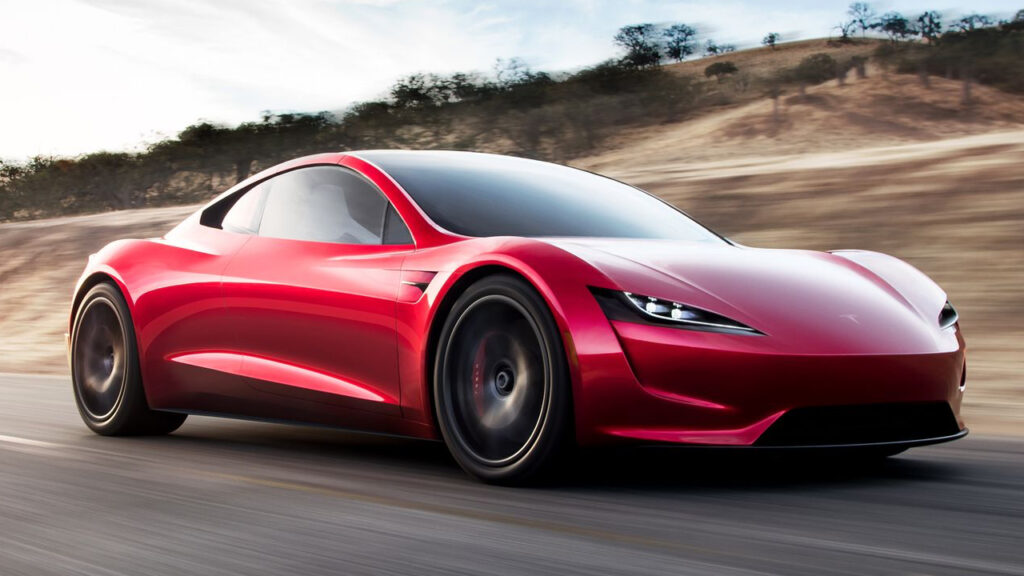
- Roadster: The new Tesla Roadster is designed to be the pinnacle of performance and aerodynamics. With its sleek, low-slung body and advanced aerodynamic elements, it aims to achieve an even lower drag coefficient than the Model S. Active aerodynamic features will likely play a prominent role in optimizing its performance.
The Impact of Aerodynamics on Performance and Range
Tesla's aerodynamic innovations have a direct impact on the performance and range of its vehicles. Here's how:
- Increased Range: By reducing drag, Tesla vehicles require less energy to maintain a given speed. This translates to increased range, allowing drivers to travel farther on a single charge. The Model S, for example, has one of the longest ranges of any EV on the market, thanks in part to its exceptional aerodynamic efficiency.
- Improved Acceleration: Lower drag also improves acceleration. When a vehicle encounters less air resistance, it can accelerate more quickly. Tesla vehicles are known for their impressive acceleration, and aerodynamics plays a key role in achieving these performance figures.
- Enhanced Stability: Aerodynamic design also contributes to vehicle stability, especially at high speeds. By managing airflow and reducing lift, Tesla vehicles remain planted and predictable, even when pushed to their limits.
- Reduced Noise: Aerodynamic optimization can also reduce wind noise inside the cabin. By minimizing turbulence and smoothing airflow, Tesla vehicles offer a quieter and more comfortable driving experience.
- Energy Efficiency: By reducing drag, Tesla vehicles require less energy to maintain a given speed. This translates to increased range, allowing drivers to travel farther on a single charge.
Challenges and Future Trends in Aerodynamic Design
While Tesla has made significant strides in aerodynamic design, there are still challenges to overcome. Some of these challenges include:
- Balancing Aerodynamics with Styling: Achieving optimal aerodynamic performance often requires compromises in styling. Designers must find ways to create visually appealing vehicles that also minimize drag.
- Meeting Safety Standards: Aerodynamic design must also take into account safety standards. For example, pedestrian safety requirements can impact the shape of the front fascia, which in turn affects aerodynamics.
- Reducing Weight: Lightweight materials play a crucial role in improving overall vehicle efficiency. By reducing weight, engineers can further enhance performance and range.
- Improving Cooling: Aerodynamic design must also consider cooling requirements. Electric vehicles generate heat, and efficient cooling systems are essential for maintaining optimal performance.
Looking ahead, several trends are shaping the future of aerodynamic design:
- Computational Fluid Dynamics (CFD): CFD simulations are becoming increasingly sophisticated, allowing engineers to model airflow around vehicles with greater accuracy. This enables them to optimize designs more efficiently.
- 3D Printing: 3D printing is enabling the rapid prototyping of aerodynamic components. This allows engineers to test different designs quickly and iterate on their ideas.
- Active Aerodynamics: Active aerodynamic elements are becoming more common. These components can adjust to optimize airflow based on driving conditions, further improving efficiency and performance.
- Biomimicry: Inspired by nature, biomimicry involves studying how animals and plants interact with their environment to develop innovative aerodynamic solutions.
Conclusion
Tesla's commitment to aerodynamic design has been instrumental in maximizing the performance and range of its vehicles. By focusing on streamlined body shapes, underbody management, active aerodynamics, and attention to detail, Tesla has created vehicles that are both efficient and exhilarating to drive. As technology continues to advance, we can expect even more innovative aerodynamic solutions from Tesla and other automakers, further pushing the boundaries of electric vehicle performance and efficiency. The future of automotive design is undoubtedly aerodynamic, and Tesla is at the forefront of this evolution.










Comments
Post a Comment