The electric vehicle (EV) revolution is no longer a distant promise; it's a rapidly unfolding reality. And nowhere is this transformation more evident than in the burgeoning market for electric pickup trucks. Once the exclusive domain of gas-guzzling workhorses, the pickup segment is now at the forefront of electrification, with established automakers and ambitious startups vying for dominance. At the heart of this electrifying battle stands the Tesla Cybertruck, a vehicle that has captured the imagination (and controversy) of the automotive world since its unveiling.
A Bold Entrance: The Cybertruck's Initial Impact
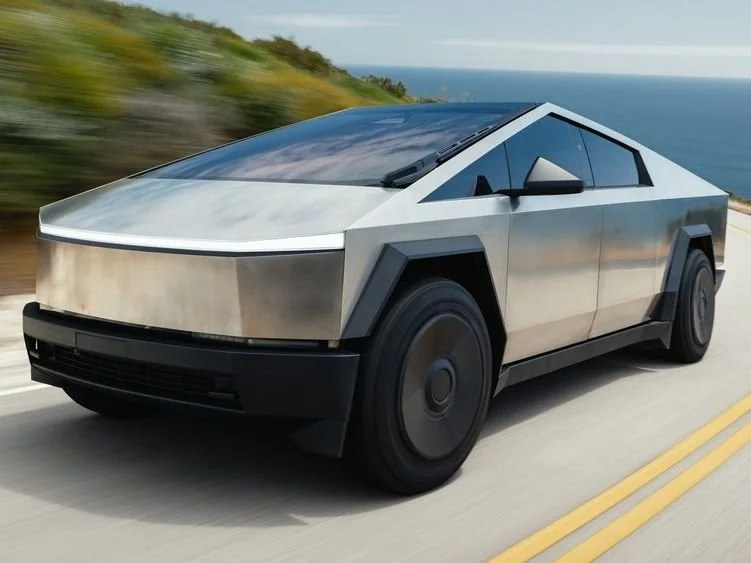
Tesla's Cybertruck made its debut in November 2019, and it's fair to say it shattered expectations. Eschewing the conventional design language of traditional pickups, the Cybertruck presented a radical, almost dystopian aesthetic. Its sharp angles, stainless steel exoskeleton, and minimalist interior were unlike anything seen before in the pickup segment.
The Cybertruck's unveiling wasn't just about looks; Tesla also made bold performance claims. The company promised impressive towing capacity, acceleration figures that rivaled sports cars, and a range that would alleviate range anxiety. These claims, combined with the Cybertruck's audacious design, immediately generated immense buzz and a wave of pre-orders.
Disruption and Controversy: A Divisive Design
From the outset, the Cybertruck's design has been a major point of contention. Some applaud its originality and willingness to challenge convention, seeing it as a bold step forward in automotive design. Others find its angular, utilitarian aesthetic unappealing, even jarring.
Beyond aesthetics, the Cybertruck's stainless steel exoskeleton has also raised questions about practicality and safety. While Tesla claims the material is exceptionally durable and dent-resistant, concerns have been raised about its repairability, pedestrian safety, and performance in crash tests.
The Competition Heats Up: The Rise of Electric Rivals
While the Cybertruck generated headlines and pre-orders, other automakers were quietly developing their own electric pickup trucks. Ford, a longtime leader in the pickup segment, introduced the F-150 Lightning, an electric version of its best-selling F-150. Rivian, an EV startup, launched the R1T, a stylish and capable electric pickup aimed at outdoor enthusiasts.
These competitors took a different approach than Tesla. Rather than reinventing the pickup truck, they focused on electrifying existing platforms or creating vehicles that aligned more closely with traditional pickup design. The Ford F-150 Lightning, for example, retains the familiar look and feel of the F-150, making it an easier transition for loyal Ford customers. The Rivian R1T, while more modern in design, still adheres to the basic proportions and functionality of a pickup truck.
Cybertruck's Strengths and Weaknesses
As the EV pickup market becomes more crowded, it's important to assess the Cybertruck's strengths and weaknesses relative to its competitors.
Strengths:
- Unique Design: The Cybertruck's distinctive design sets it apart from all other vehicles on the road. For those who want to make a statement, the Cybertruck is a guaranteed head-turner.
- Performance Potential: Tesla has promised impressive performance figures for the Cybertruck, including blistering acceleration and substantial towing capacity. If these claims hold true, the Cybertruck could be a performance leader in the electric pickup segment.
- Tesla's Ecosystem: Tesla's Supercharger network provides a convenient and reliable charging infrastructure for Cybertruck owners. Tesla's over-the-air software updates also allow the company to continuously improve the Cybertruck's features and functionality.
Weaknesses:
- Polarizing Design: While some appreciate the Cybertruck's unconventional design, others find it unattractive. This polarizing design could limit the Cybertruck's appeal to a niche market.
- Production Delays: The Cybertruck has faced numerous production delays, pushing its launch date back several times. These delays have frustrated potential customers and given competitors a head start.
- Questionable Practicality: The Cybertruck's stainless steel exoskeleton and unconventional shape raise questions about its practicality in real-world use. Repairing dents, navigating tight spaces, and finding compatible accessories could be more challenging with the Cybertruck than with traditional pickups.
- Price: The Cybertruck's price has been a moving target. Initial estimates suggested a starting price of around $40,000, but recent reports indicate that the actual price could be significantly higher. This could make the Cybertruck less competitive against more affordable electric pickups.
The Cybertruck's Role in Shaping the EV Pickup Market
Despite its challenges, the Tesla Cybertruck has already played a significant role in shaping the EV pickup market. Its audacious design and bold performance claims have pushed other automakers to innovate and accelerate their own electric pickup programs. The Cybertruck has also helped to generate broader public interest in electric pickups, paving the way for greater adoption of these vehicles.
Whether the Cybertruck ultimately succeeds in dominating the EV pickup market remains to be seen. Its success will depend on a number of factors, including its ability to deliver on its performance promises, overcome its production challenges, and appeal to a wider range of customers.
Looking Ahead: The Future of Electric Pickups
The electric pickup market is still in its early stages, but it has the potential to transform the automotive industry. Electric pickups offer a number of advantages over their gasoline-powered counterparts, including lower running costs, reduced emissions, and impressive performance.
As battery technology improves and charging infrastructure expands, electric pickups are likely to become increasingly popular. The Tesla Cybertruck, along with its competitors, will play a key role in driving this transformation. Whether the Cybertruck becomes a dominant force or a niche player, its impact on the EV pickup market is undeniable.
The EV pickup war is on, and the Tesla Cybertruck is a key player in this electrifying battle. Its success or failure will not only determine Tesla's future but also shape the future of the entire pickup truck segment. The road ahead is full of challenges, but the potential rewards are immense.
In conclusion: The Tesla Cybertruck's role in the EV pickup war is multifaceted. It has disrupted the market with its radical design, prompted competitors to accelerate their EV programs, and generated significant public interest in electric pickups. While its strengths lie in its unique design and potential performance, its weaknesses include production delays, questionable practicality, and a polarizing aesthetic. Ultimately, the Cybertruck's success will depend on its ability to overcome these challenges and deliver on its promises in a competitive market.









Comments
Post a Comment