The Tesla Cybertruck has been one of the most talked-about vehicles in recent years. Its futuristic design, powerful performance, and versatility have made it a popular choice for consumers and businesses alike. As the Cybertruck begins to roll out to customers, it is poised to have a significant impact on the ride-sharing industry.
Ride-sharing has revolutionized transportation in the 21st century, providing convenient, affordable, and accessible mobility solutions to millions worldwide. Companies like Uber and Lyft have disrupted traditional taxi services by connecting passengers with independent drivers through user-friendly mobile apps. As ride-sharing continues to evolve, the integration of electric vehicles (EVs) promises to further enhance the sustainability and efficiency of the industry. The Tesla Cybertruck, with its unique design, impressive performance capabilities, and focus on sustainability, has the potential to reshape the landscape of ride-sharing as we know it.
The Cybertruck's Unique Features and Capabilities
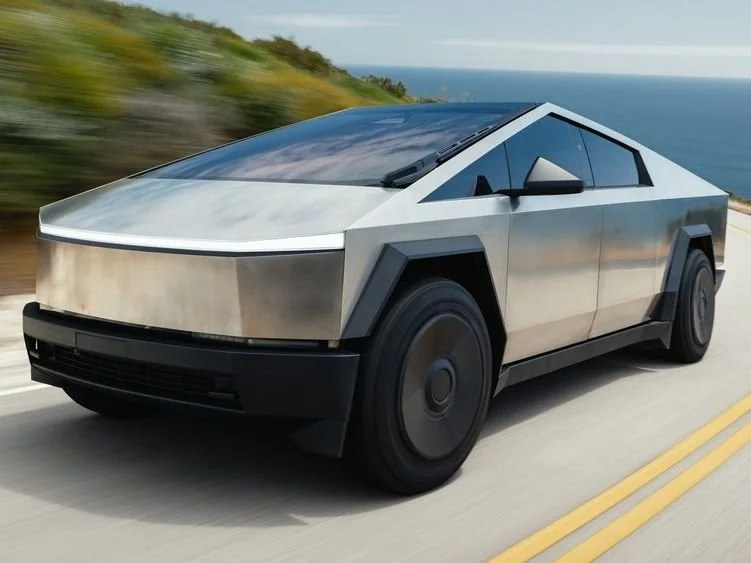
The Tesla Cybertruck is a battery-electric pickup truck known for its distinctive, futuristic design. It is constructed from a durable stainless steel alloy, offering exceptional strength and resistance to dents, damage, and corrosion. This robust construction makes the Cybertruck well-suited for various challenging terrains and demanding work conditions.
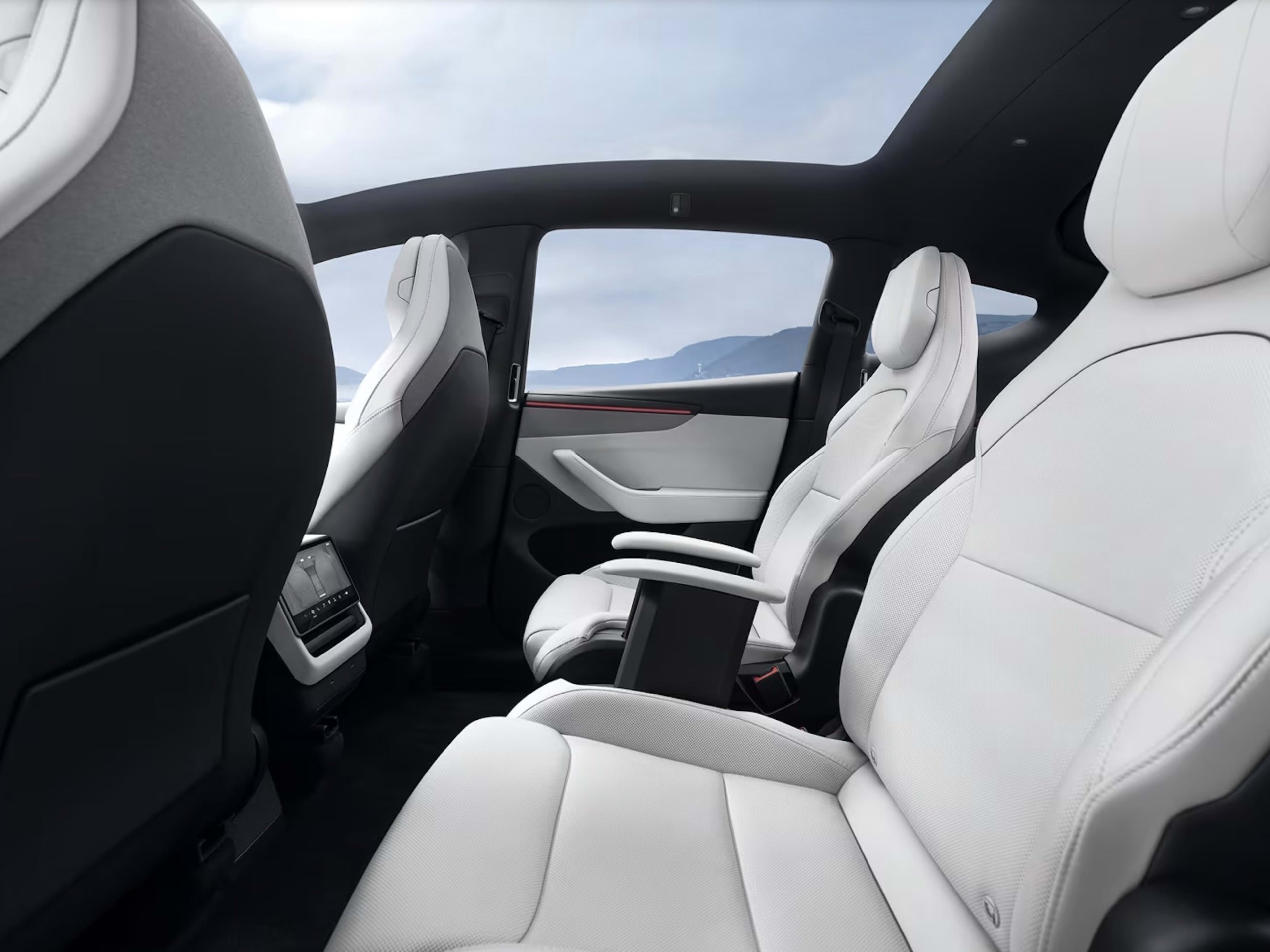
The Cybertruck is available in multiple configurations, including single-motor, dual-motor, and tri-motor options. The tri-motor version boasts impressive acceleration, reaching 0 to 60 mph in just 2.9 seconds. The Cybertruck offers a towing capacity of up to 14,000 pounds and a payload capacity of up to 3,500 pounds. The vehicle has a spacious interior with seating for up to six passengers and ample storage space, making it ideal for transporting people and cargo.
How the Cybertruck Could Impact Ride-Sharing
The Cybertruck's unique features and capabilities could have a significant impact on the ride-sharing industry in several ways:
-
Enhanced Efficiency and Cost Savings: As an electric vehicle, the Cybertruck offers enhanced efficiency and cost savings compared to traditional gasoline-powered vehicles. EVs have lower fuel costs, reduced maintenance requirements, and generate zero tailpipe emissions. These factors could make the Cybertruck an attractive option for ride-sharing drivers looking to reduce their operating expenses and increase their profitability.
-
Increased Durability and Reliability: The Cybertruck's robust construction and durable stainless steel alloy body provide increased durability and reliability compared to conventional vehicles. This makes the Cybertruck well-suited for the demanding conditions of ride-sharing, where vehicles are often subjected to frequent use and varying road conditions.
-
Versatility and Flexibility: The Cybertruck's spacious interior, ample storage space, and impressive towing and payload capacities make it a versatile and flexible vehicle for ride-sharing. It can accommodate multiple passengers, carry large items, and even tow trailers, making it suitable for a wide range of transportation needs.
-
Unique Passenger Experience: The Cybertruck's futuristic design and innovative features could provide a unique and memorable passenger experience for ride-sharing customers. Its distinctive appearance and cutting-edge technology may attract customers looking for a novel and exciting transportation option.
-
Sustainability and Environmental Benefits: As an electric vehicle, the Cybertruck contributes to sustainability and environmental benefits by reducing greenhouse gas emissions and air pollution. Ride-sharing companies can promote their commitment to environmental responsibility by incorporating the Cybertruck into their fleets.
Challenges and Considerations
While the Tesla Cybertruck holds great potential for the future of ride-sharing, there are also challenges and considerations that need to be addressed:
-
High Initial Cost: The Cybertruck's high initial cost could be a barrier to entry for some ride-sharing drivers, particularly those who are just starting out or have limited financial resources. Ride-sharing companies may need to offer financial incentives or leasing options to encourage drivers to adopt the Cybertruck.
-
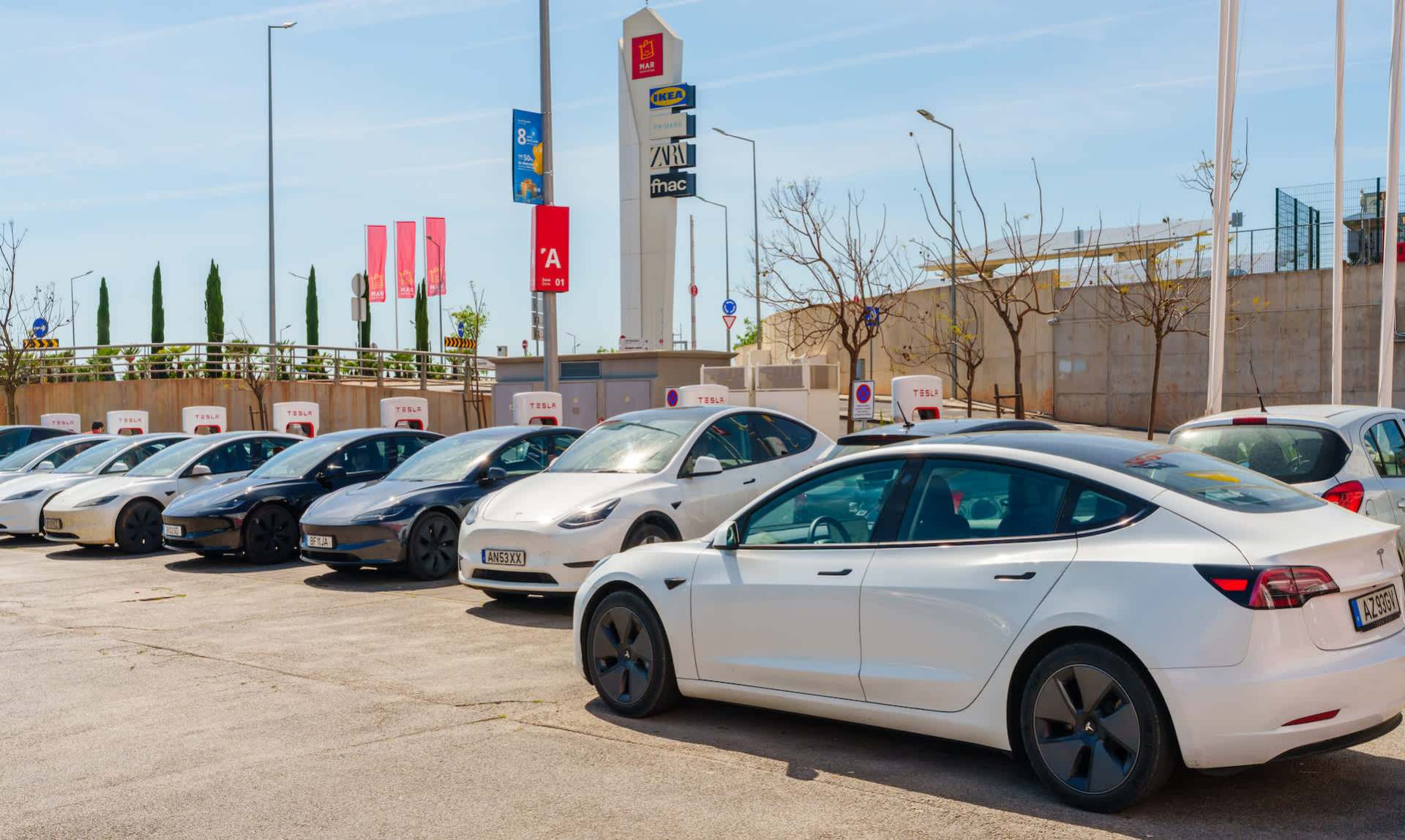
Charging Infrastructure: The availability of charging infrastructure is crucial for the widespread adoption of electric vehicles, including the Cybertruck. Ride-sharing companies and municipalities need to invest in expanding the charging infrastructure to ensure that drivers have convenient access to charging stations.
-
Regulatory Issues: Regulations governing ride-sharing services vary across different jurisdictions. Ride-sharing companies need to work with regulators to ensure that the Cybertruck meets all applicable safety and operational requirements.
-
Public Perception: The Cybertruck's unique design may not appeal to all consumers. Ride-sharing companies need to carefully consider the potential impact of the Cybertruck's appearance on their brand image and customer perception.
The Future of Ride-Sharing with the Cybertruck
Despite the challenges, the Tesla Cybertruck has the potential to play a significant role in the future of ride-sharing. As the Cybertruck becomes more widely available and charging infrastructure expands, it could become a popular choice for ride-sharing drivers and passengers alike.
Ride-sharing companies can leverage the Cybertruck's unique features and capabilities to enhance their services and attract new customers. They can offer specialized services, such as airport transfers, group transportation, and cargo delivery, using the Cybertruck's spacious interior, ample storage space, and impressive towing capacity. Ride-sharing companies can also promote their commitment to sustainability by incorporating the Cybertruck into their fleets.
The integration of electric vehicles like the Cybertruck into ride-sharing fleets can contribute to a more sustainable and efficient transportation system. By reducing greenhouse gas emissions and air pollution, EVs can help improve air quality and mitigate the impacts of climate change. The Cybertruck's lower operating costs can also make ride-sharing more affordable and accessible to a wider range of people.
Conclusion
The Tesla Cybertruck is a game-changing vehicle that has the potential to reshape the landscape of ride-sharing. Its unique features, capabilities, and focus on sustainability make it an attractive option for ride-sharing drivers and passengers alike. While there are challenges and considerations that need to be addressed, the Cybertruck has the potential to play a significant role in the future of ride-sharing.
As the Cybertruck becomes more widely available and charging infrastructure expands, ride-sharing companies can leverage its unique features to enhance their services, attract new customers, and promote sustainability. The integration of electric vehicles like the Cybertruck into ride-sharing fleets can contribute to a more sustainable, efficient, and affordable transportation system for all.









Comments
Post a Comment