The Tesla Cybertruck has generated a lot of buzz since its unveiling in 2019. With its futuristic design and impressive performance specs, it's no wonder that many people are curious about this electric pickup truck. But as concerns about climate change continue to grow, many potential buyers are asking: how sustainable is the Tesla Cybertruck?
To answer this question, we need to look at several factors, including the materials used to manufacture the Cybertruck, the energy required to produce it, and its impact on the environment over its lifespan.
Materials
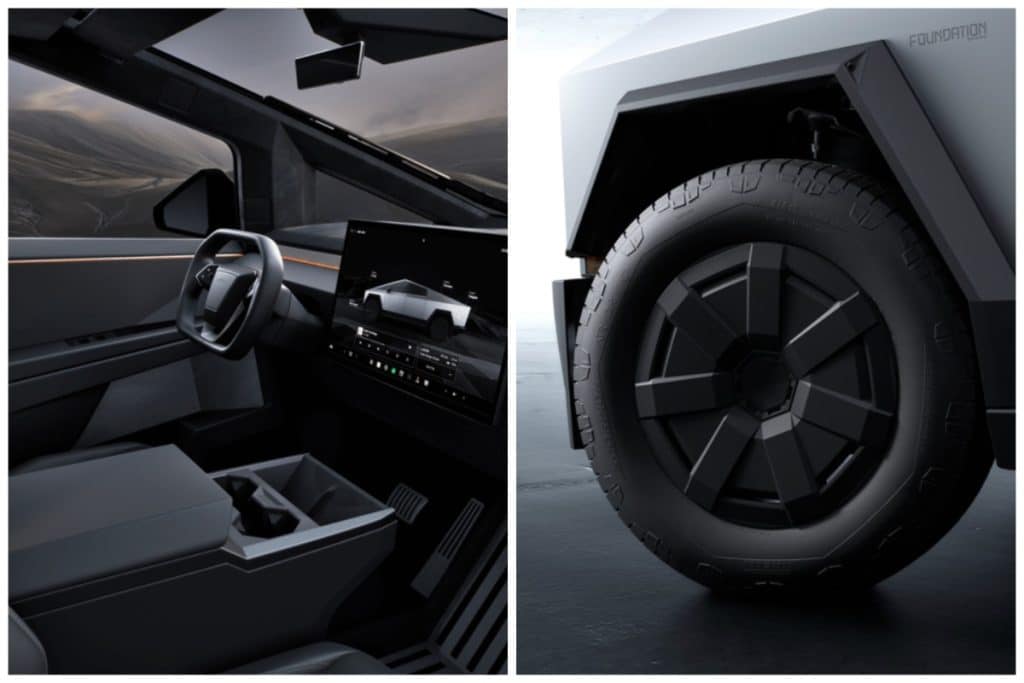
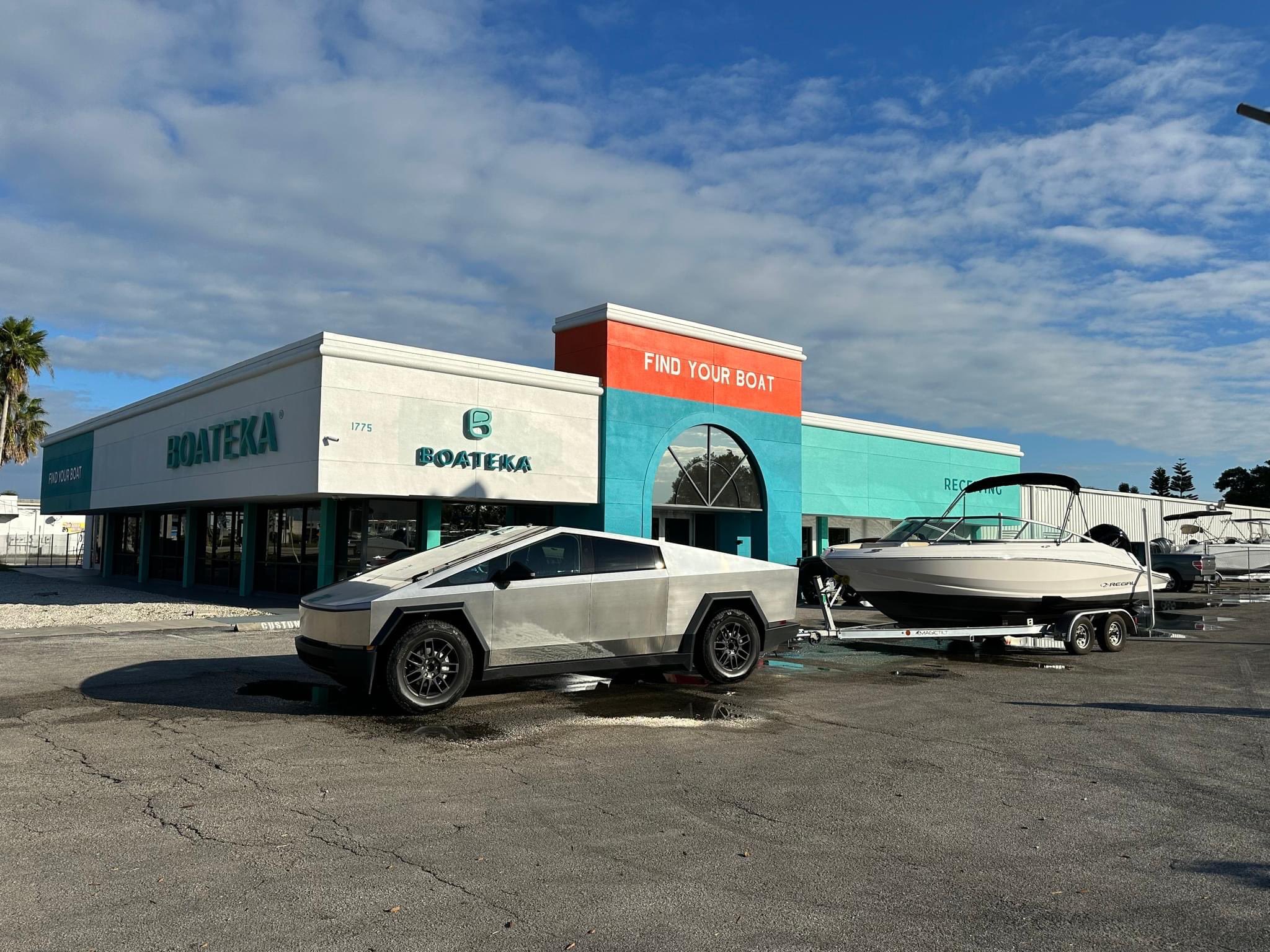
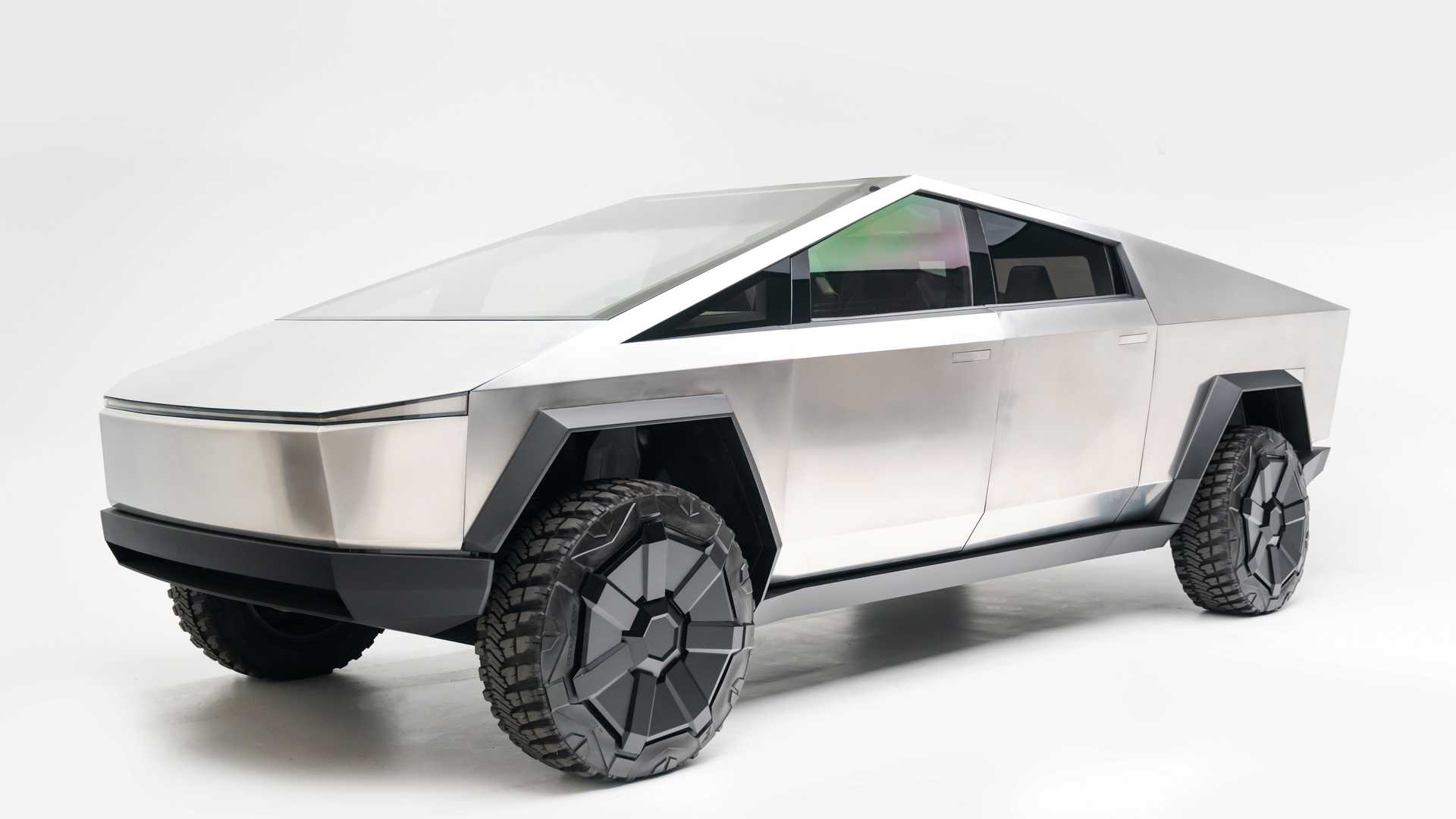
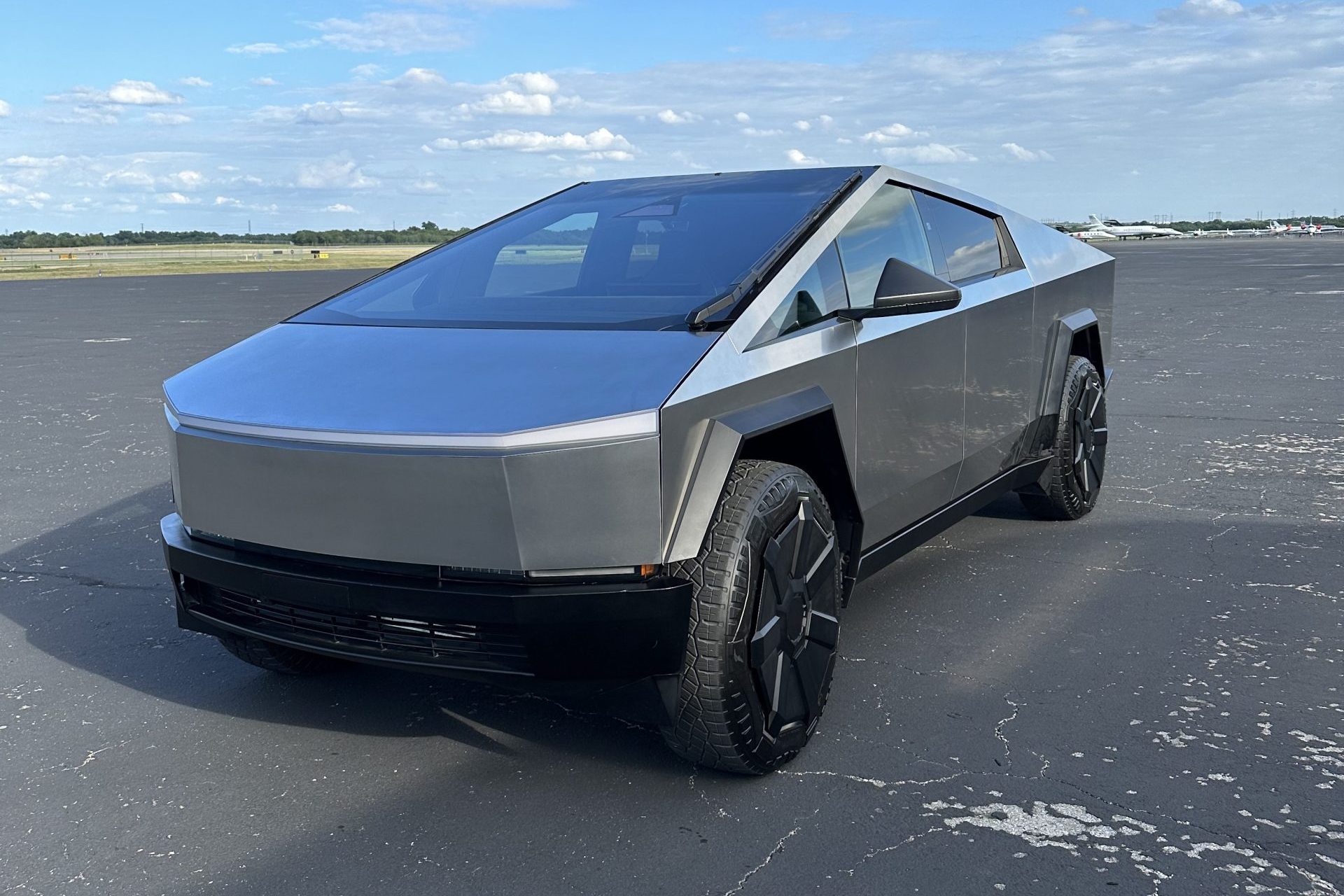
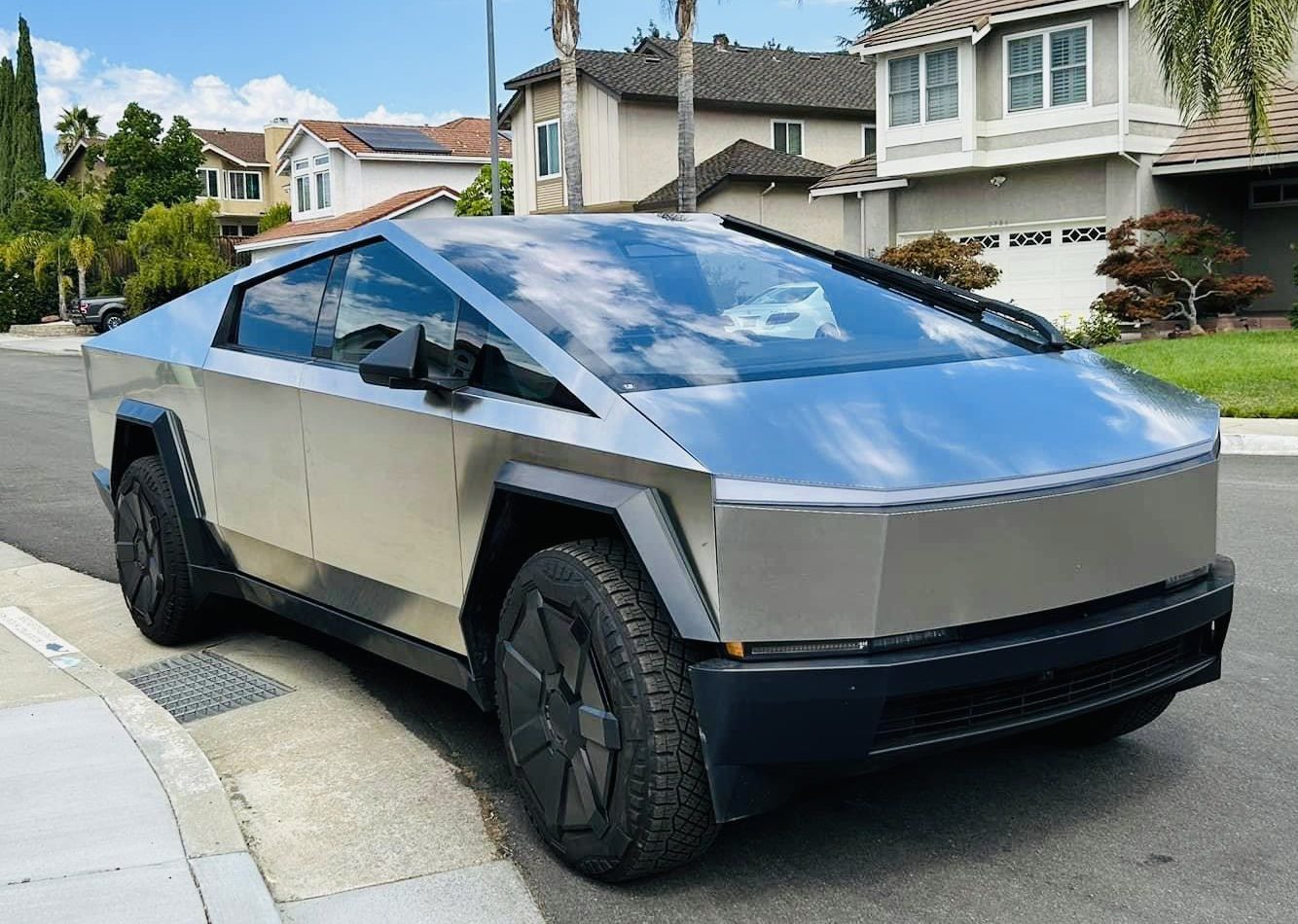
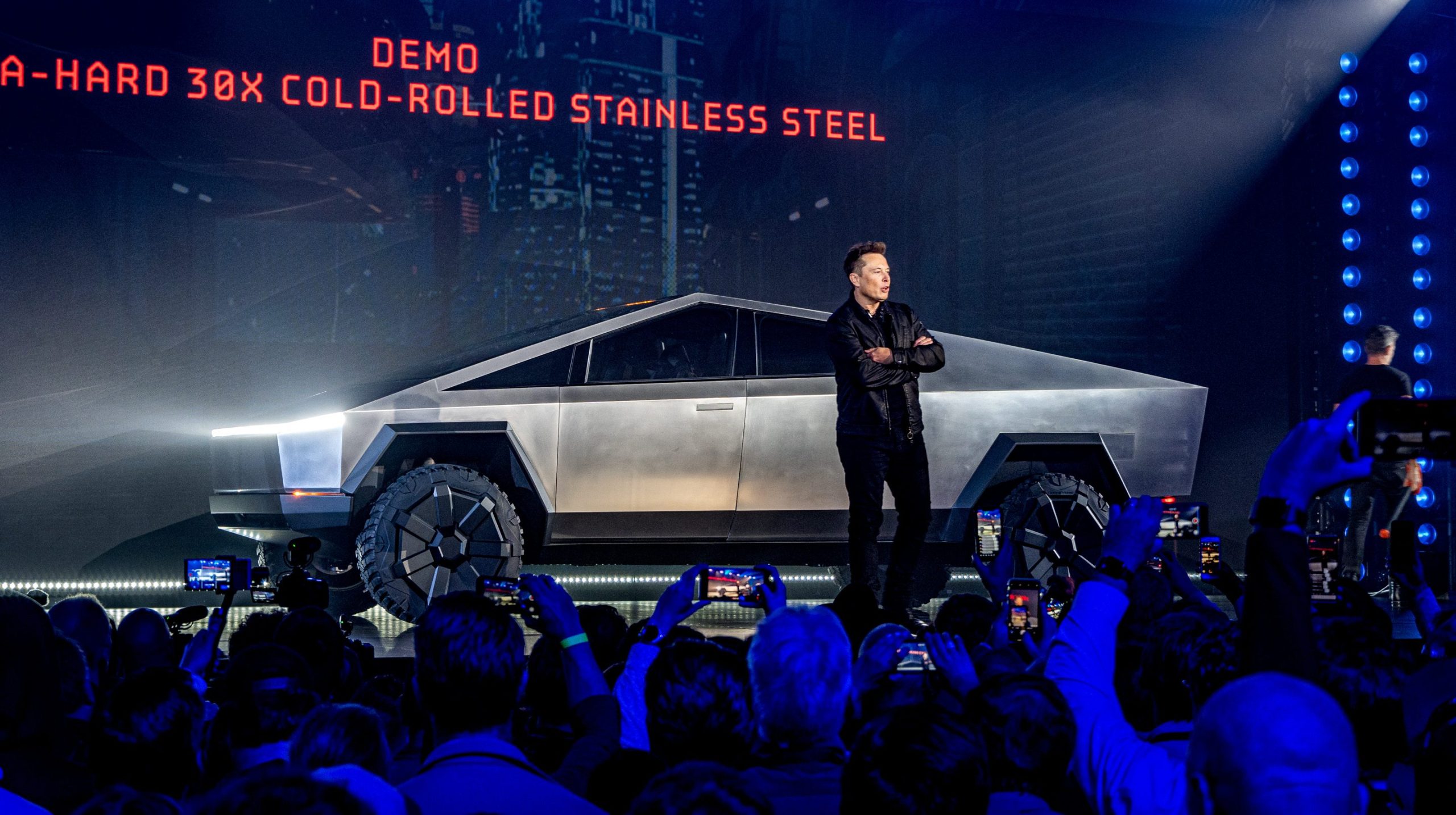
The Cybertruck's most distinctive feature is its exoskeleton, which is made from cold-rolled stainless steel. Tesla claims that this material is highly durable and corrosion-resistant, which would reduce the need for repairs and replacements over the vehicle's lifespan.
However, stainless steel production is an energy-intensive process that can have significant environmental impacts. It requires the extraction and processing of raw materials like iron ore, chromium, and nickel, which can lead to habitat destruction, water pollution, and greenhouse gas emissions.
Furthermore, the Cybertruck's large size and heavy weight mean that it will require more materials to manufacture than a smaller, lighter vehicle. This increased material demand could put additional strain on natural resources and contribute to environmental degradation.
Production
The production of any vehicle requires a significant amount of energy, and the Cybertruck is no exception. Tesla plans to manufacture the Cybertruck at its Gigafactory in Texas, which the company claims will be powered by renewable energy sources.
However, even if the Gigafactory is powered by renewable energy, the production of the Cybertruck will still require energy from other sources. For example, the manufacturing of components like batteries, motors, and electronics will require energy from various suppliers, some of which may rely on fossil fuels.
In addition, the transportation of materials and components to the Gigafactory will also contribute to the Cybertruck's overall carbon footprint. The further these materials need to be transported, the greater the environmental impact.
Lifespan
One of the most significant environmental benefits of electric vehicles is that they produce zero tailpipe emissions. This means that the Cybertruck will not directly contribute to air pollution or greenhouse gas emissions while it is being driven.
However, the environmental impact of the Cybertruck over its lifespan will depend on how it is used and maintained. For example, if the Cybertruck is primarily used for short trips around town and is regularly charged using renewable energy, it will have a much smaller environmental footprint than if it is used for long-distance travel and is charged using electricity generated from fossil fuels.
In addition, the lifespan of the Cybertruck will also play a role in its overall sustainability. If the Cybertruck is well-maintained and lasts for many years, it will have a smaller environmental impact than if it needs to be replaced after only a few years.
Battery
The battery is one of the most critical components of any electric vehicle, and the Cybertruck is no exception. The Cybertruck will be available with several different battery options, with the largest pack offering a range of over 500 miles.
The production of batteries requires the extraction and processing of raw materials like lithium, cobalt, and nickel, which can have significant environmental and social impacts. For example, lithium mining can deplete water resources and contaminate soil, while cobalt mining has been linked to human rights abuses in the Democratic Republic of Congo.
Tesla has taken steps to reduce the environmental and social impacts of its battery production. The company has invested in research and development to reduce its reliance on conflict minerals like cobalt and has partnered with suppliers who are committed to sustainable and ethical sourcing practices.
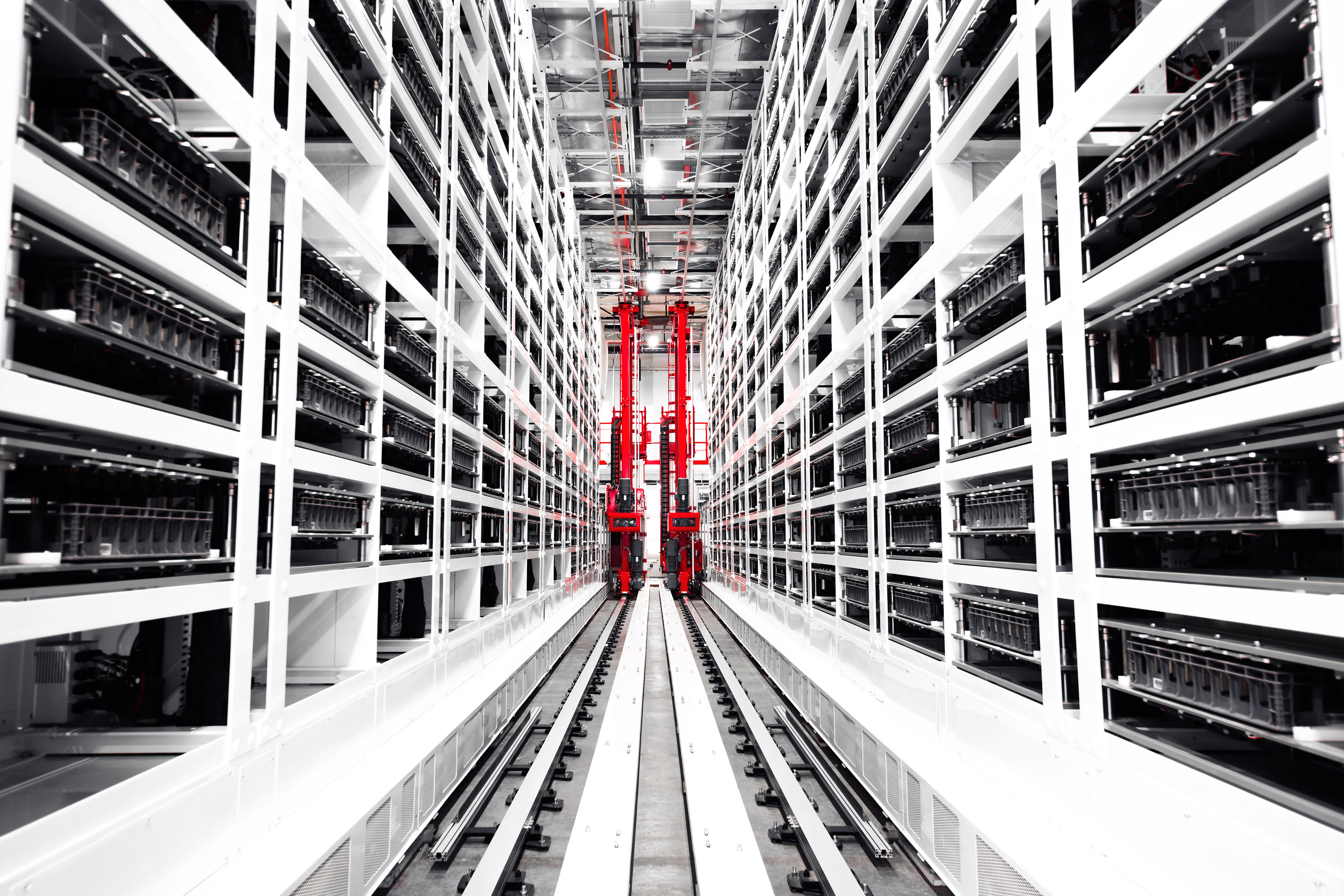
In addition, Tesla has developed a battery recycling program to recover valuable materials from end-of-life batteries. This program can help reduce the demand for virgin materials and minimize the environmental impact of battery production.
Weight and Efficiency
The Cybertruck's heavy weight is a concern for some environmental experts. The vehicle's stainless steel exoskeleton and large battery pack contribute to its considerable mass, which could reduce its energy efficiency.
Heavy vehicles typically require more energy to accelerate and maintain speed than lighter vehicles. This means that the Cybertruck may consume more electricity per mile than other electric vehicles, which could increase its overall carbon footprint.
However, Tesla has incorporated several features into the Cybertruck to improve its energy efficiency. These include aerodynamic design, low-rolling-resistance tires, and regenerative braking, which captures energy during deceleration and returns it to the battery.
Overall Sustainability
So, how sustainable is the Tesla Cybertruck? The answer is complex and depends on several factors.
On the one hand, the Cybertruck has the potential to be a more sustainable vehicle than traditional gasoline-powered pickup trucks. It produces zero tailpipe emissions, can be charged using renewable energy, and has a durable design that could reduce the need for repairs and replacements.
On the other hand, the Cybertruck's production requires significant amounts of energy and materials, and its heavy weight could reduce its energy efficiency. The environmental and social impacts of battery production are also a concern.
To maximize the sustainability of the Cybertruck, it is essential to:
- Use renewable energy to charge the vehicle.
- Maintain the vehicle properly to extend its lifespan.
- Recycle the battery at the end of its life.
- Support sustainable and ethical sourcing practices for battery materials.
Ultimately, the sustainability of the Tesla Cybertruck will depend on the choices made by Tesla, its suppliers, and its customers. By taking steps to minimize the environmental and social impacts of the Cybertruck's production, use, and disposal, we can help ensure that this innovative vehicle contributes to a more sustainable future.
Conclusion
The Tesla Cybertruck presents a mixed bag when it comes to sustainability. While its electric powertrain offers a significant advantage in terms of emissions during operation, the environmental impact of its production, particularly the stainless steel exoskeleton and large battery pack, cannot be ignored. The true sustainability of the Cybertruck will depend on factors such as the energy source used for charging, the longevity of the vehicle, and the effectiveness of battery recycling programs. As technology advances and sustainable practices become more widespread, the Cybertruck's sustainability profile may improve over time. However, for now, it's crucial to consider both the benefits and drawbacks when evaluating the Cybertruck's overall environmental impact.















Comments
Post a Comment