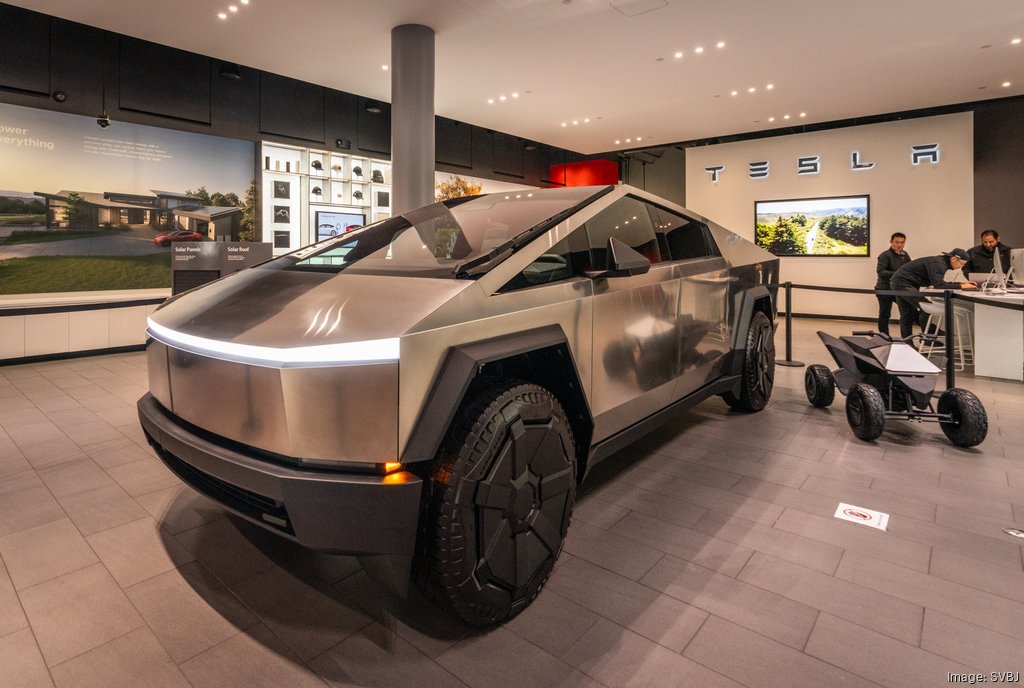
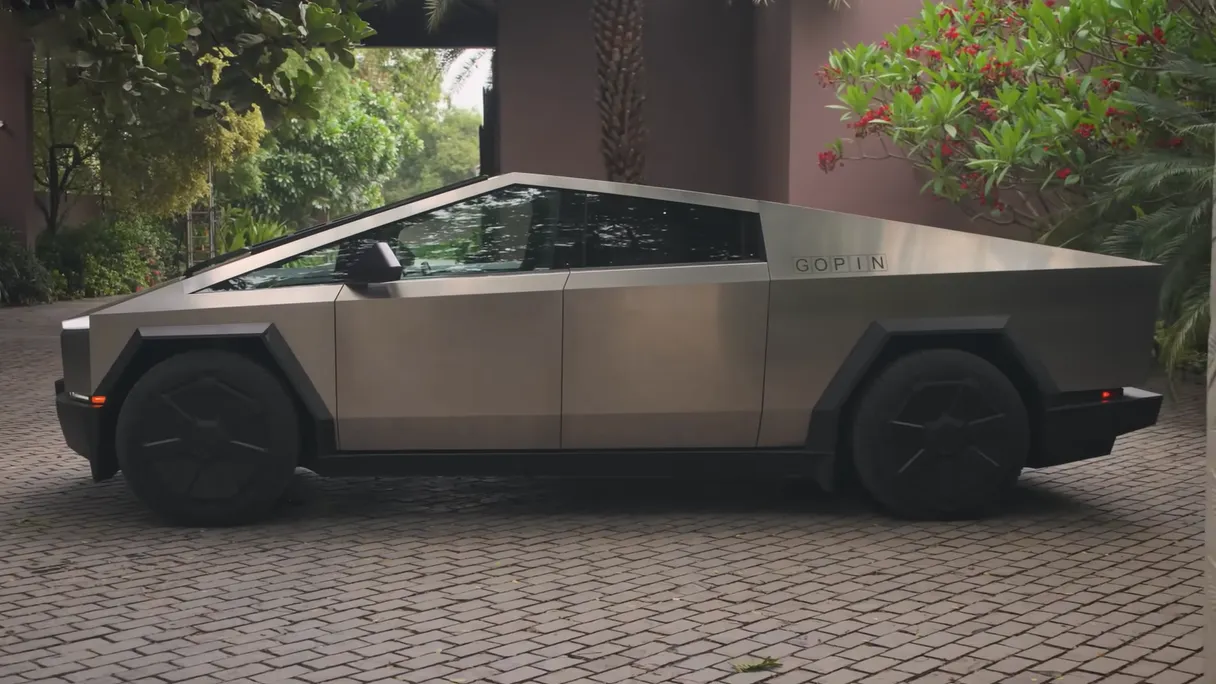
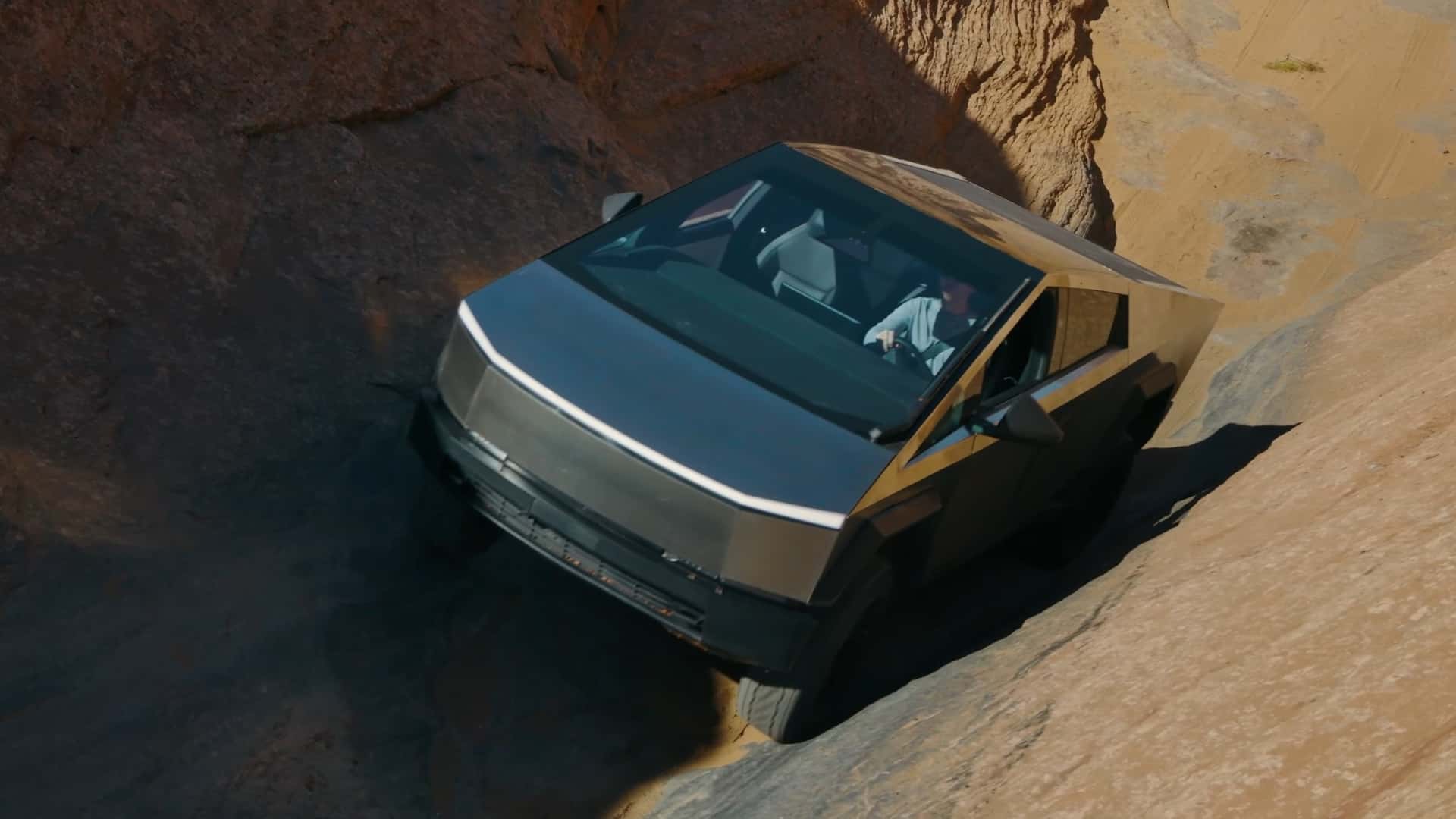
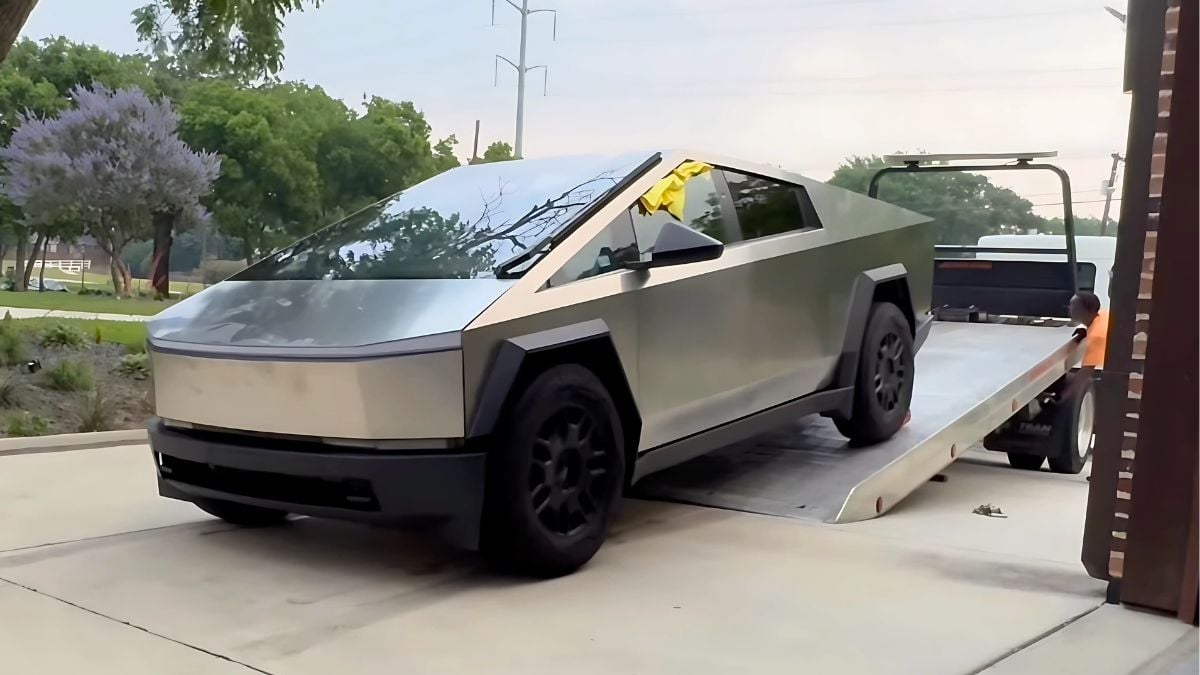
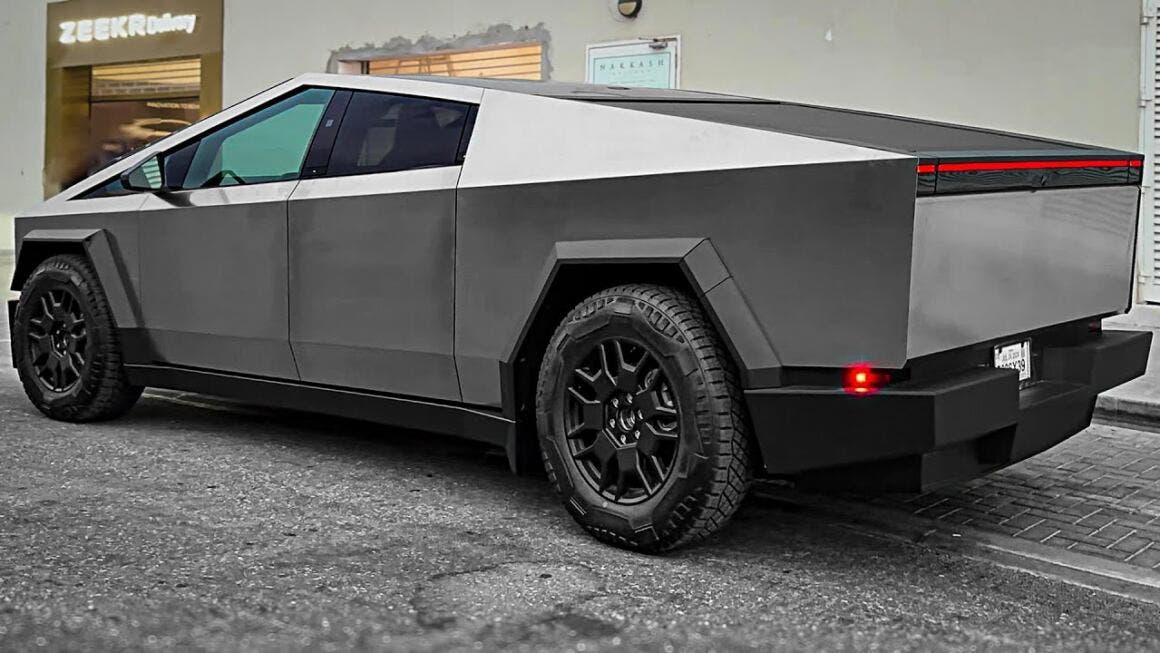
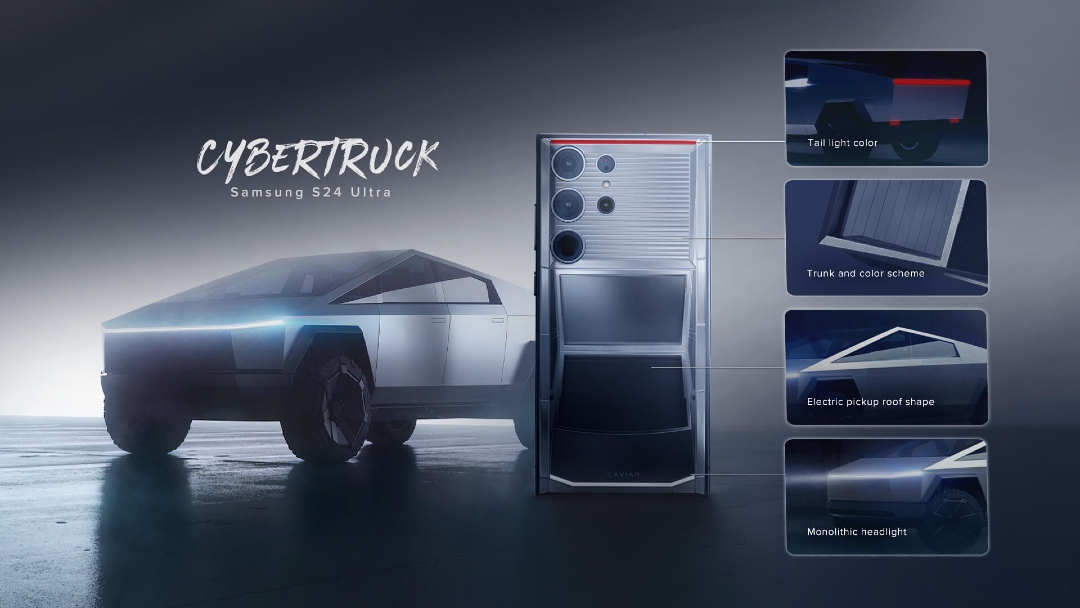
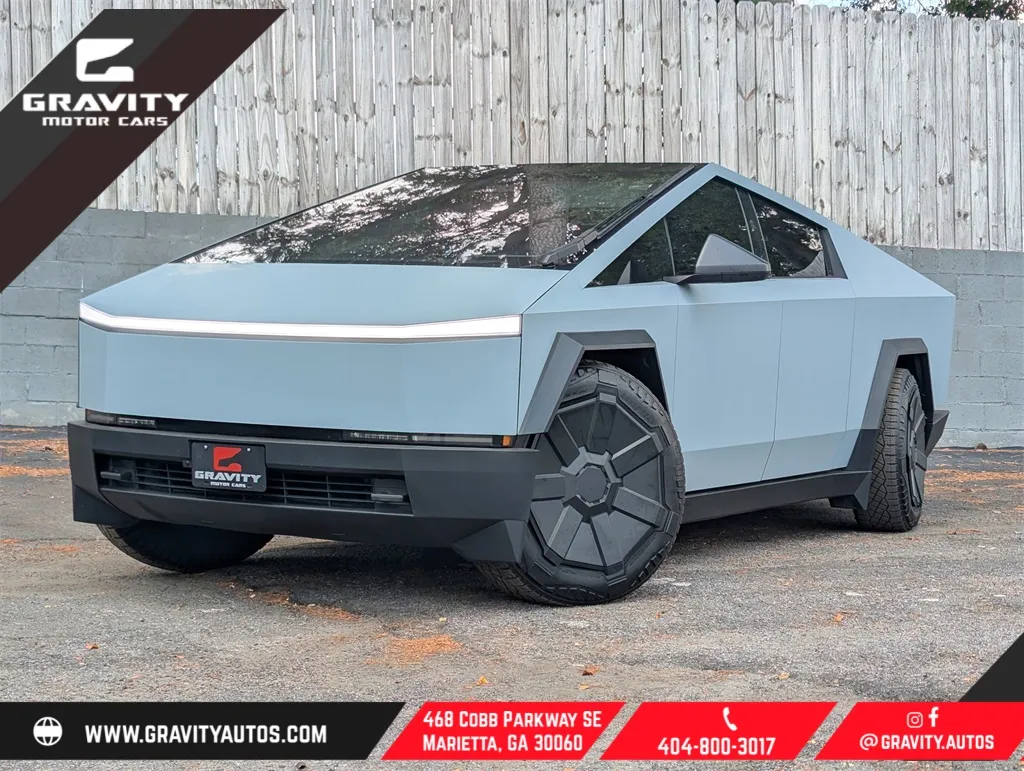
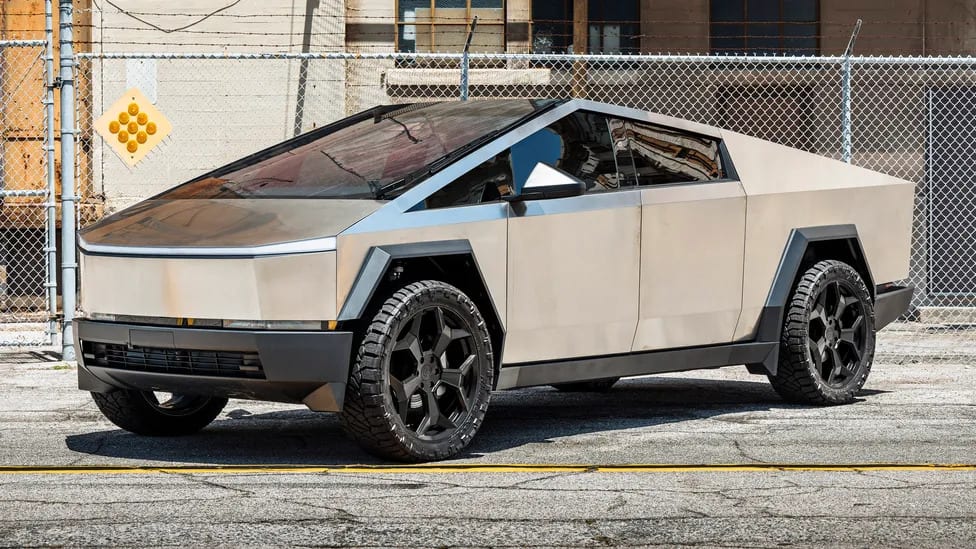
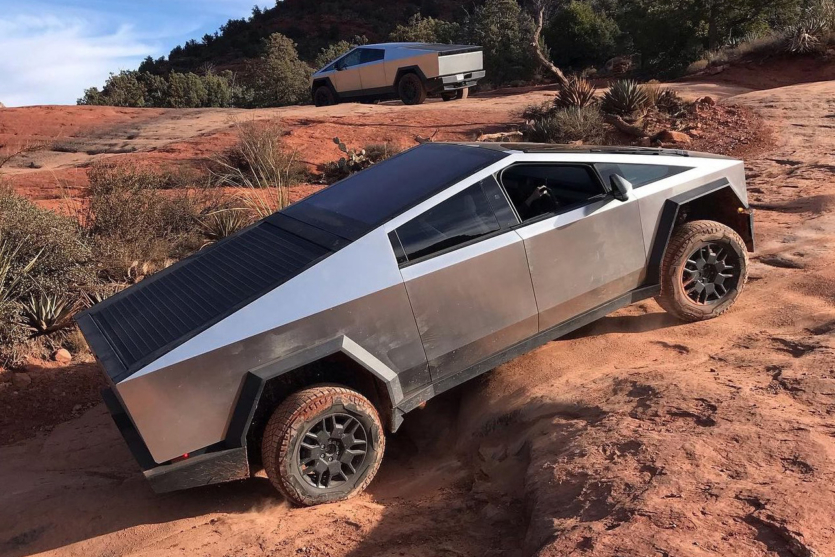
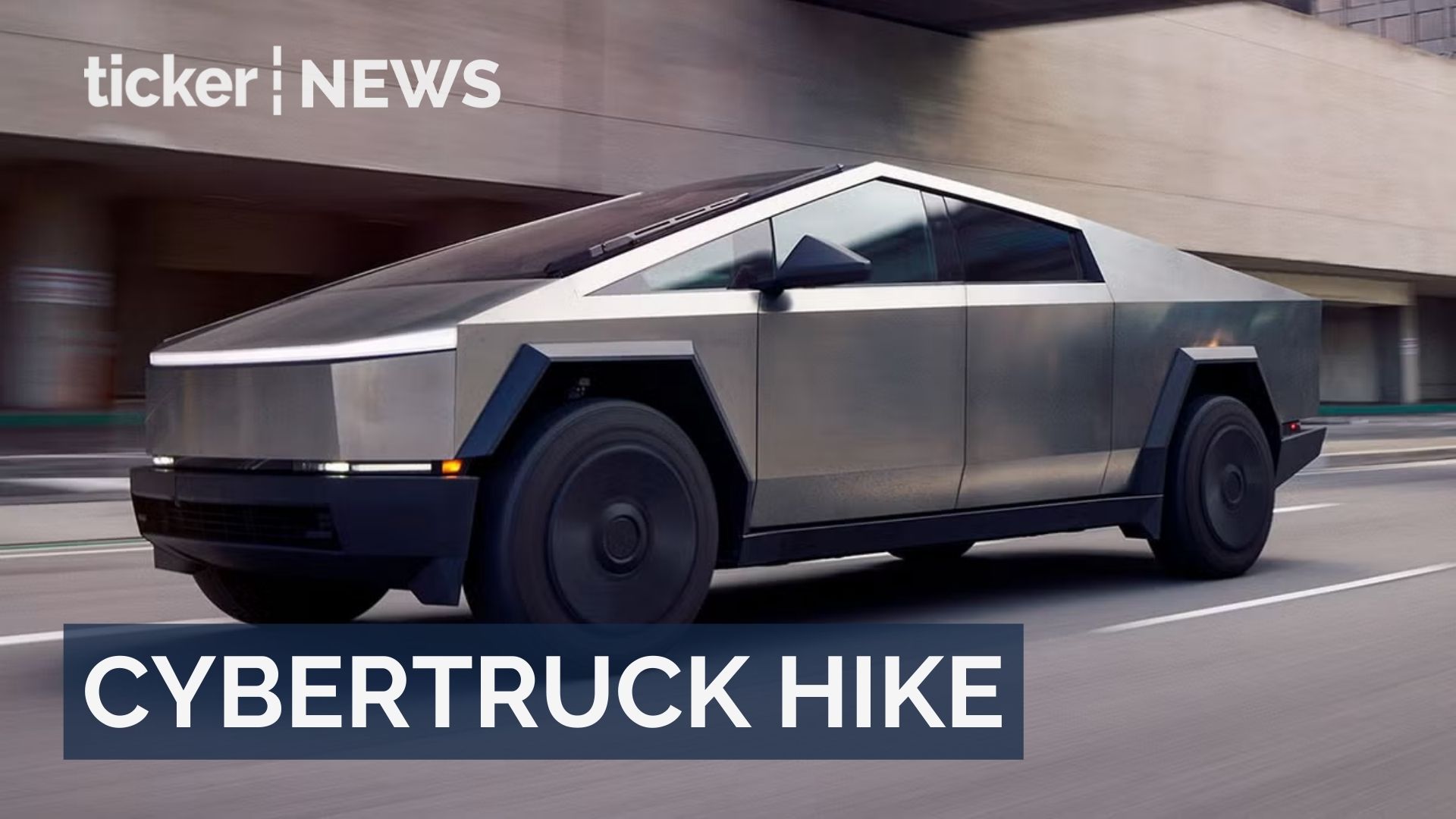
The Cybertruck, Tesla's much-anticipated all-electric pickup truck, has generated excitement and controversy since its unveiling. Its futuristic design, impressive performance figures, and promised utility have captivated potential buyers. However, as the Cybertruck nears production, one crucial aspect demands careful consideration: its charging needs. The Cybertruck, with its substantial battery pack and potential for heavy-duty use, presents unique charging challenges that must be addressed to ensure a seamless ownership experience.
Charging Challenges Posed by the Cybertruck
-
Large Battery Capacity: The Cybertruck is expected to come with multiple battery pack options, with the largest offering a range of over 500 miles. While this extended range alleviates range anxiety, it also means a significantly larger battery to charge. Filling such a large battery from near-empty will take considerable time, especially with slower charging methods.
-
High Energy Consumption: Pickup trucks, in general, are known for their higher energy consumption compared to smaller passenger cars. The Cybertruck, with its large size, weight, and potential for towing and hauling, will likely exhibit even higher energy consumption, further increasing the demand on charging infrastructure.
-
Charging Infrastructure Limitations: While the charging infrastructure for electric vehicles is rapidly expanding, it still lags behind the availability of gas stations. This limitation is especially pronounced in rural areas and along long-distance travel routes, where Cybertruck owners may need to rely on public charging stations more frequently. The limited availability of high-power charging stations capable of delivering the Cybertruck's maximum charging rate poses another challenge.
-
Charging Time: Even with the fastest charging technology available, fully charging a Cybertruck with a large battery pack will take a significant amount of time. This can be inconvenient for owners who need to quickly replenish their battery for daily commutes or long-distance trips.
-
Home Charging Considerations: While many EV owners rely on home charging for their daily needs, the Cybertruck's large battery and high energy consumption may strain existing home electrical systems. Upgrading home electrical panels and installing dedicated high-power charging equipment may be necessary, adding to the overall cost of ownership.
-
Impact on the Grid: The widespread adoption of electric vehicles, including the Cybertruck, will place a significant strain on the existing power grid. Utility companies need to invest in grid upgrades to ensure sufficient capacity to meet the increasing demand for electricity.
Solutions to Address the Charging Challenges
-
Enhancing Charging Infrastructure:
- Expanding Public Charging Networks: Significant investments are needed to expand public charging networks, particularly in underserved areas. This includes deploying more Level 2 chargers for convenient top-ups and, more importantly, installing high-power DC fast chargers to enable rapid charging for long-distance travel.
- Prioritizing High-Power Charging: Focus should be placed on deploying charging stations capable of delivering charging rates of 350 kW or higher. These ultra-fast chargers can significantly reduce charging times for vehicles like the Cybertruck with large battery packs.
- Strategic Charger Placement: Charging stations should be strategically located along major highways, in urban centers, and near popular destinations to ensure convenient access for EV owners.
- Incentivizing Private Investment: Governments can incentivize private companies to invest in charging infrastructure through tax credits, subsidies, and other financial incentives.
-
Improving Charging Technology:
- Developing Faster Charging Technology: Research and development efforts should focus on developing even faster charging technologies that can significantly reduce charging times. This includes exploring new battery chemistries and charging protocols.
- Optimizing Charging Efficiency: Efforts should be made to improve the efficiency of charging systems to minimize energy losses during the charging process. This can be achieved through advanced power electronics and intelligent charging algorithms.
- Implementing Smart Charging: Smart charging technologies can optimize charging schedules to take advantage of off-peak electricity rates and reduce the strain on the grid.
-
Promoting Home Charging Solutions:
- Incentivizing Home Charger Installation: Governments can offer rebates or tax credits to homeowners who install Level 2 chargers in their homes.
- Simplifying Permitting Processes: Streamlining the permitting process for home charger installations can encourage more homeowners to adopt home charging solutions.
- Educating Homeowners: Providing homeowners with information on how to properly install and use home chargers can help ensure safe and efficient charging practices.
-
Managing Grid Impact:
- Investing in Grid Upgrades: Utility companies need to invest in upgrading the existing power grid to accommodate the increasing demand for electricity from electric vehicles.
- Implementing Smart Grid Technologies: Smart grid technologies can help manage the flow of electricity more efficiently and prevent grid overloads.
- Encouraging Off-Peak Charging: Time-of-use electricity rates can incentivize EV owners to charge their vehicles during off-peak hours, reducing the strain on the grid during peak demand periods.
- Exploring Vehicle-to-Grid (V2G) Technology: V2G technology allows electric vehicles to not only draw power from the grid but also send power back to the grid, providing a potential source of energy storage and grid stabilization.
-
Cybertruck-Specific Solutions:
- Tesla Supercharger Network Expansion: Tesla needs to continue expanding its Supercharger network, particularly in areas where Cybertruck owners are likely to travel.
- Cybertruck-Optimized Charging Solutions: Tesla can develop charging solutions specifically tailored to the Cybertruck's needs, such as higher-power home chargers or mobile charging units.
- Battery Preconditioning: The Cybertruck's battery management system can be optimized to precondition the battery before charging, improving charging speed and efficiency.
Conclusion
The Cybertruck presents unique charging challenges due to its large battery capacity, high energy consumption, and potential for heavy-duty use. Addressing these challenges requires a multi-faceted approach that includes expanding charging infrastructure, improving charging technology, promoting home charging solutions, managing grid impact, and developing Cybertruck-specific solutions. By proactively addressing these charging needs, Tesla and other stakeholders can ensure that the Cybertruck delivers a seamless and convenient ownership experience, accelerating the transition to electric vehicles and a sustainable transportation future.
The successful integration of the Cybertruck into the existing transportation ecosystem hinges on overcoming these charging hurdles. Collaboration between automakers, charging network providers, utility companies, and governments is essential to create a robust and reliable charging infrastructure that can support the widespread adoption of electric vehicles, including the Cybertruck, and unlock their full potential.


















Comments
Post a Comment