The automotive landscape is undergoing a seismic shift, driven by environmental concerns, technological advancements, and evolving consumer preferences. At the forefront of this transformation is the electrification of vehicles, which promises to revolutionize the way we commute, transport goods, and perform work. Among the pioneers of this electric revolution is Tesla, with its highly anticipated Cybertruck. This futuristic-looking pickup truck has not only captured the imagination of the public but also ignited a debate about the future of work vehicles and their potential to transform industries.
The Cybertruck: A Disruptive Force
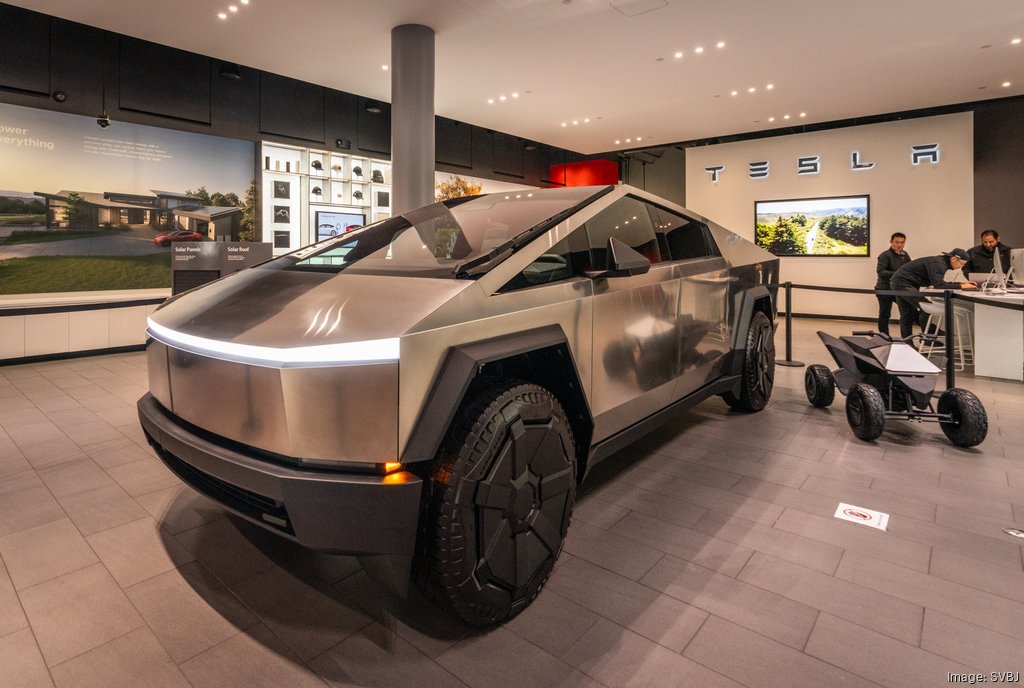
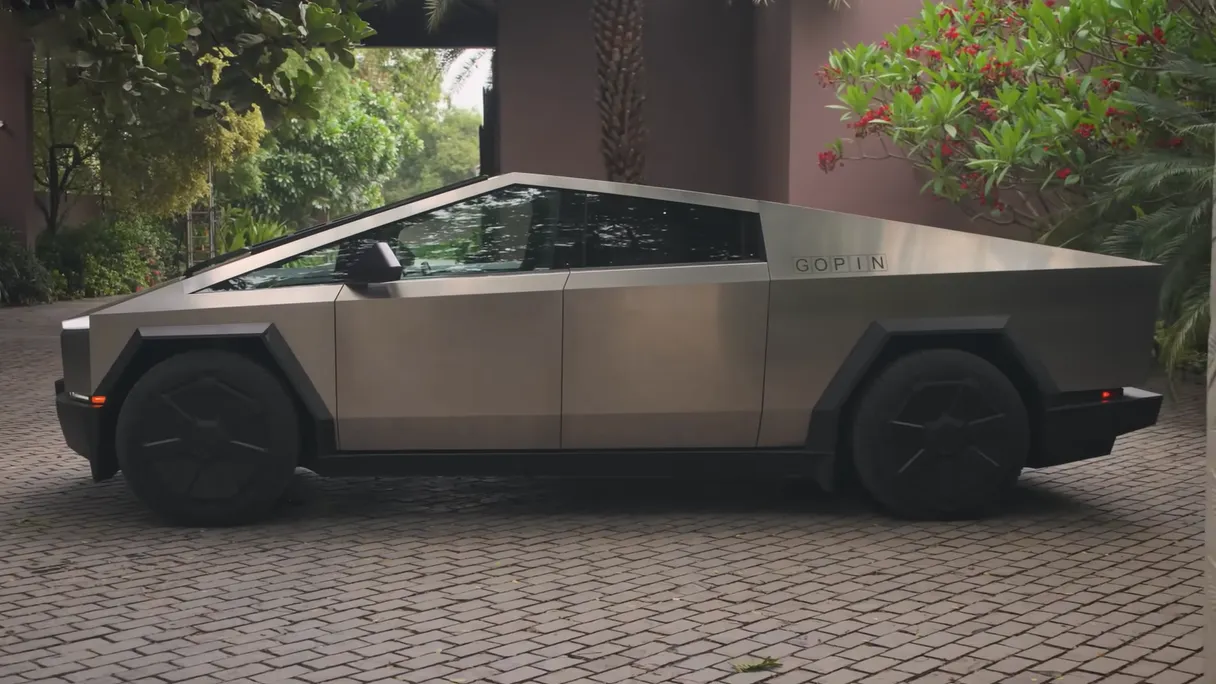
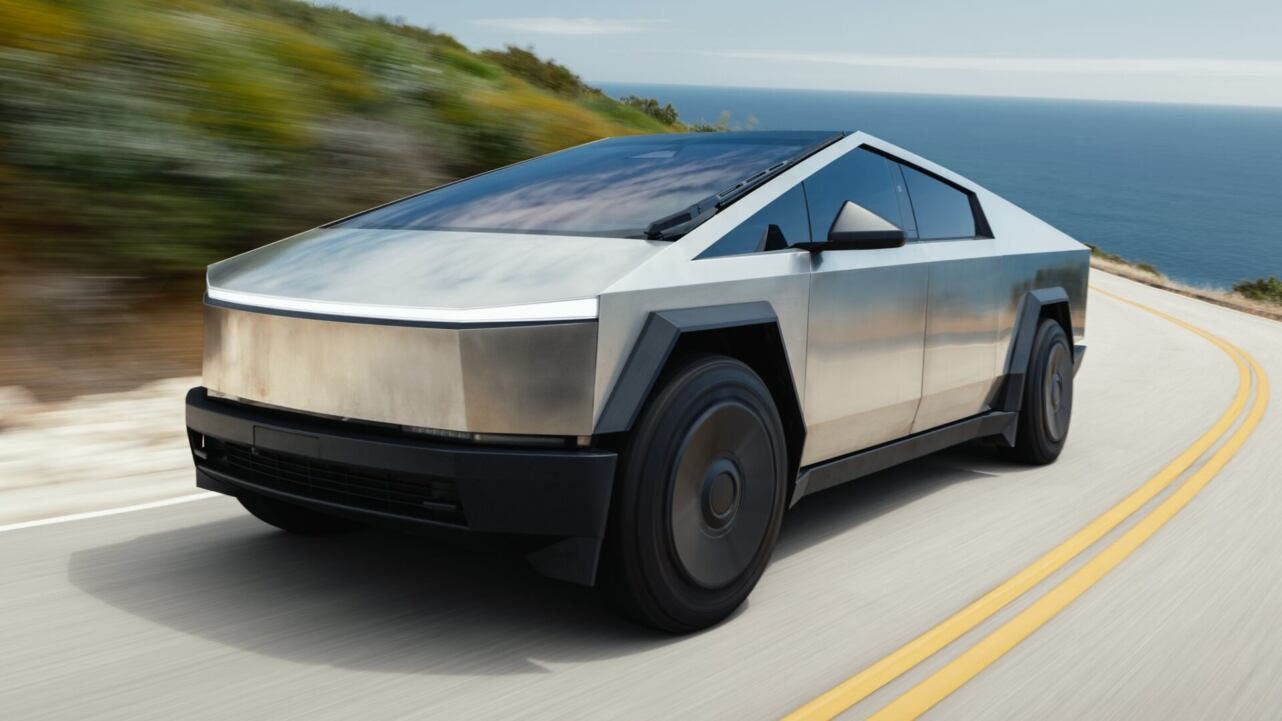
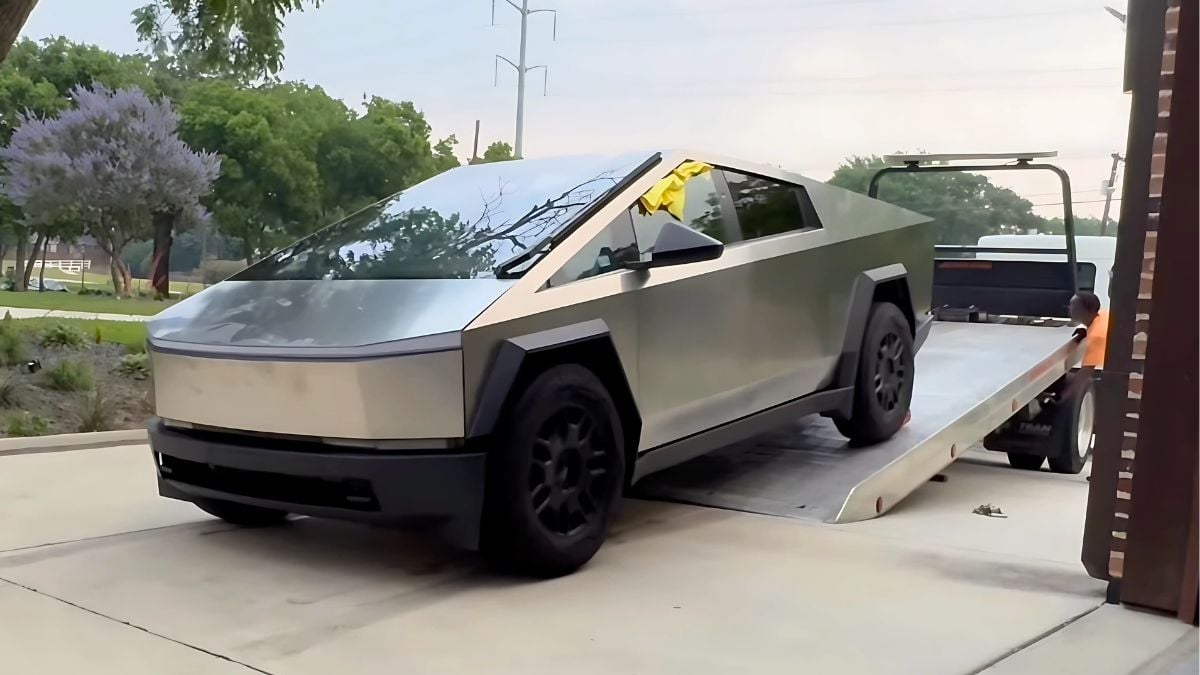
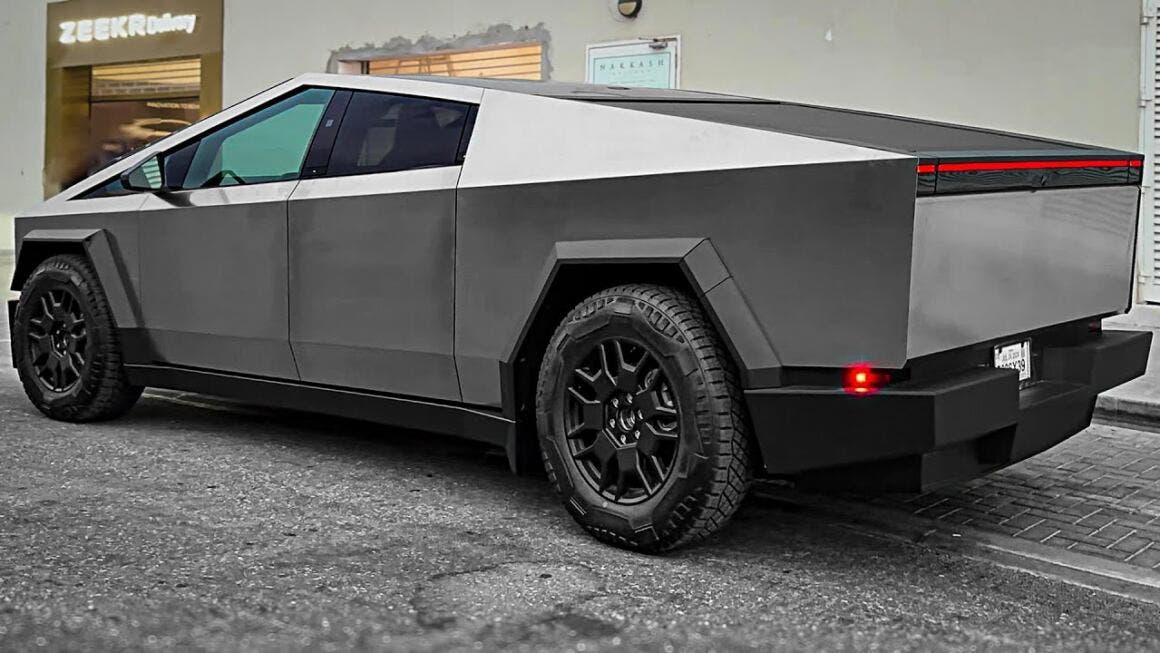
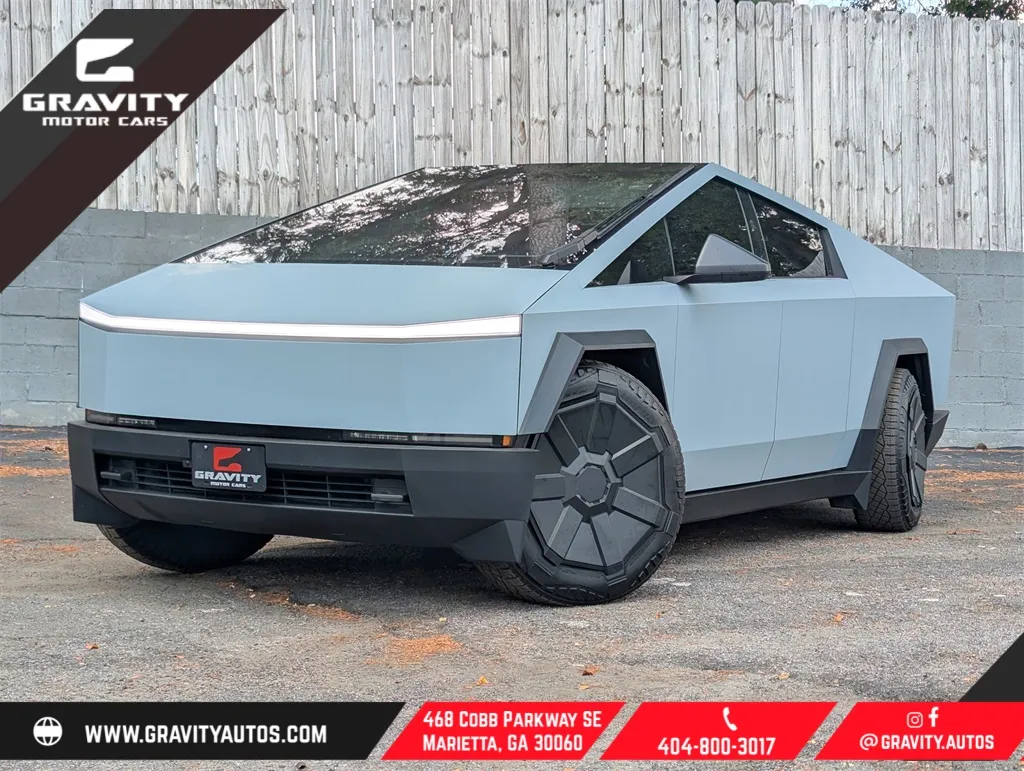
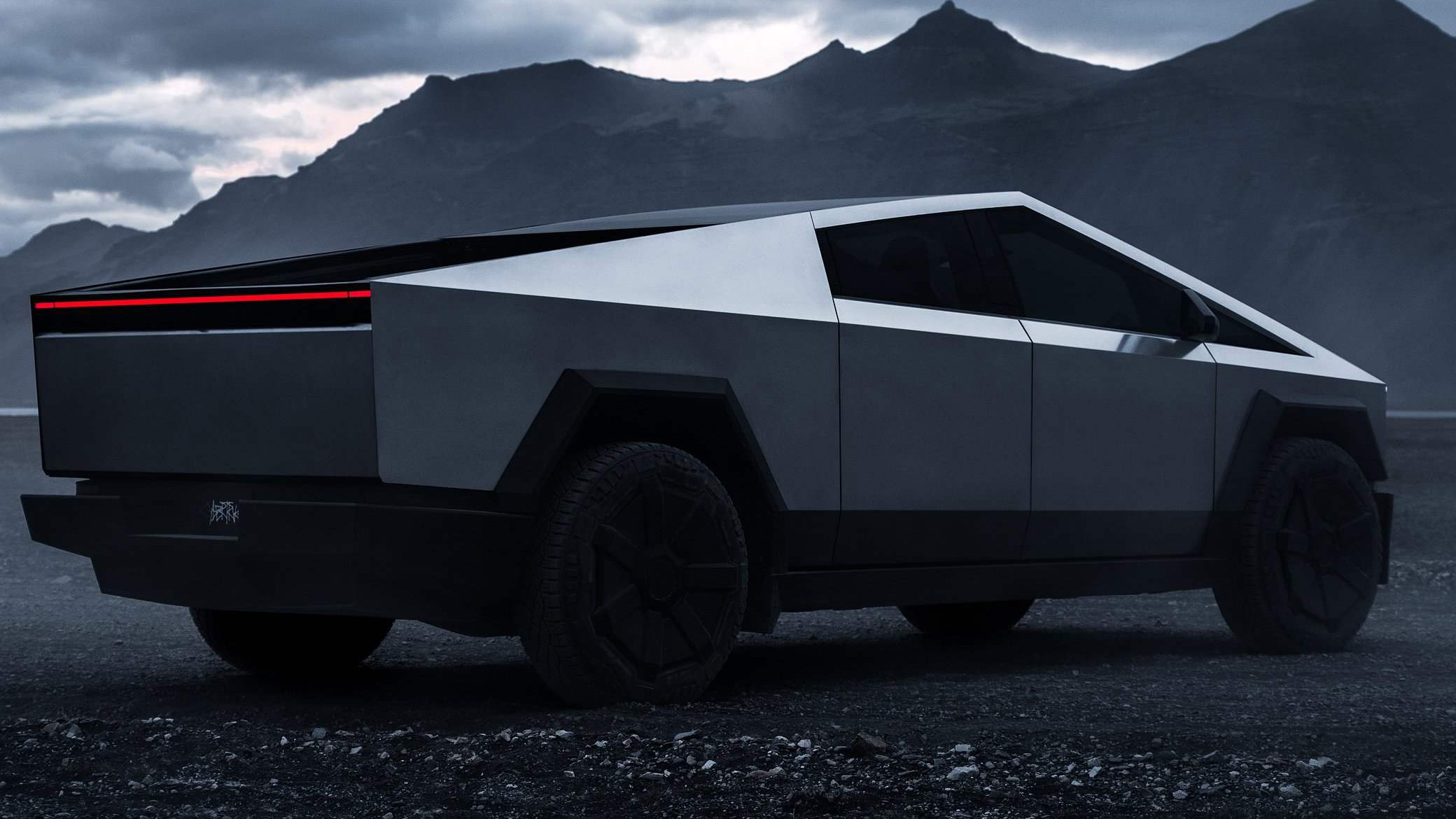
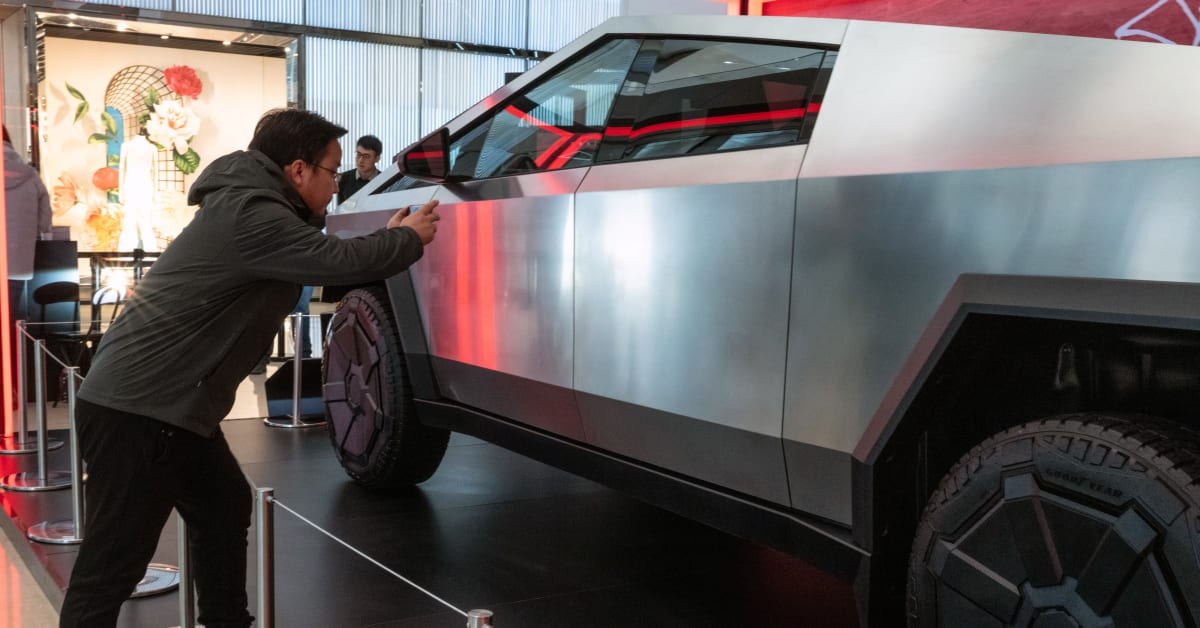
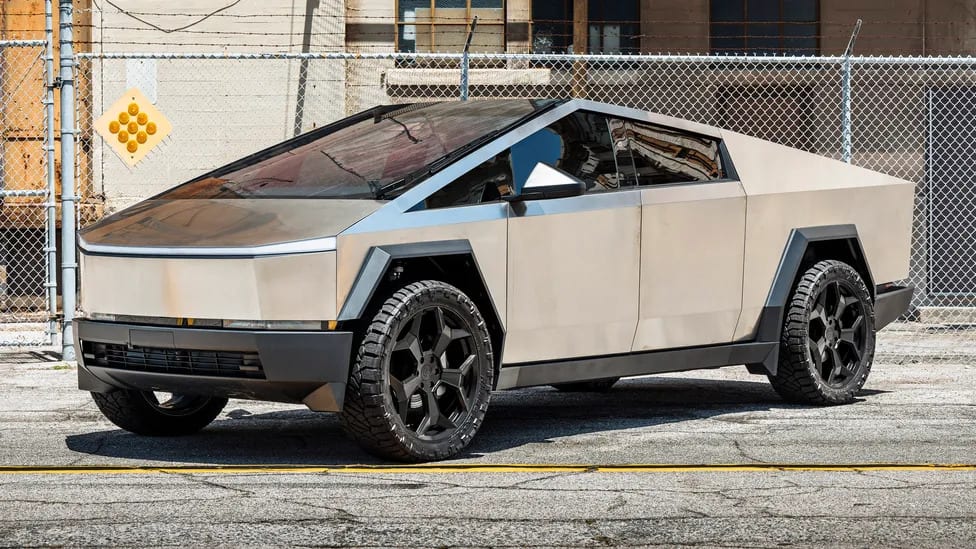
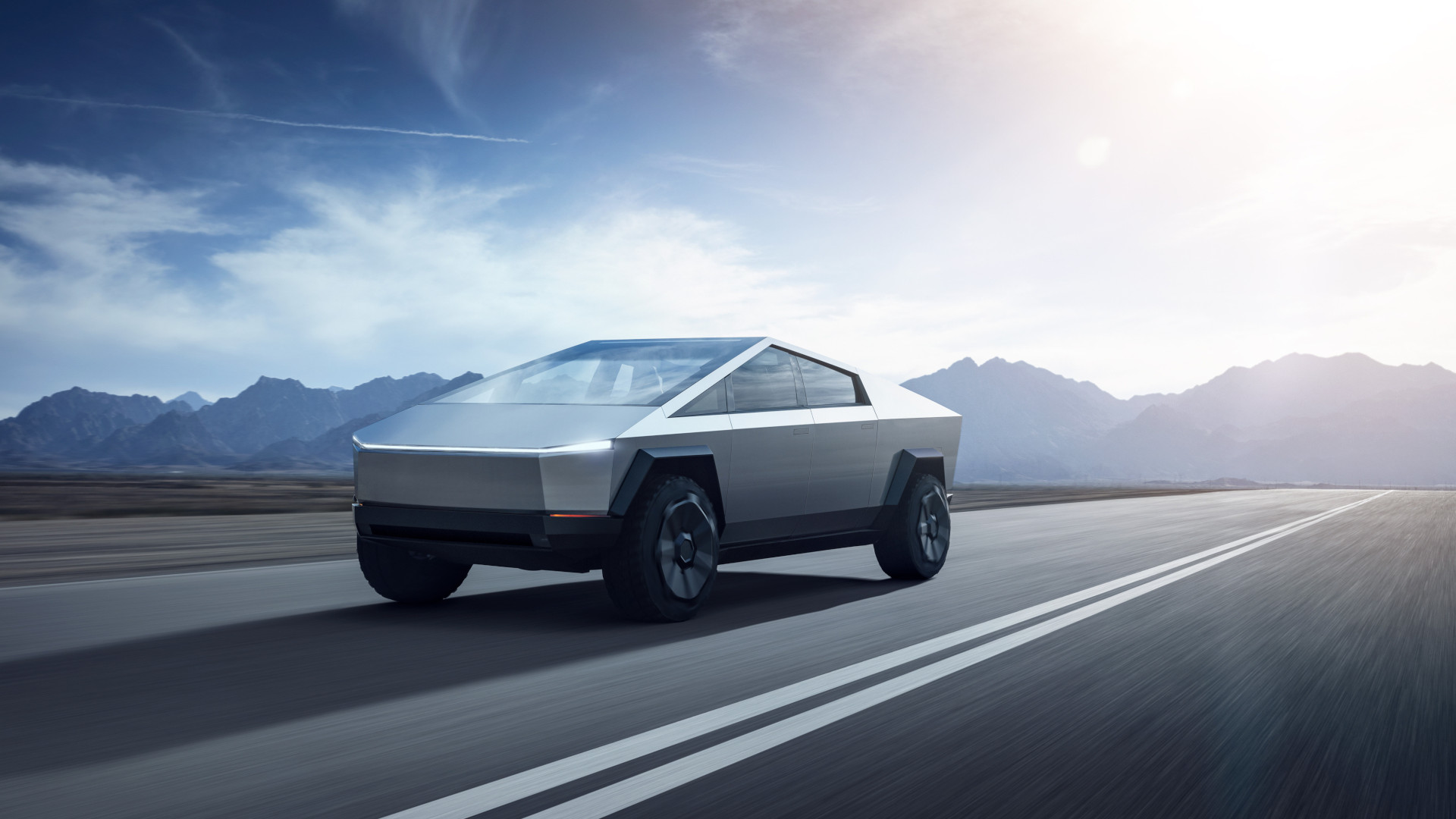
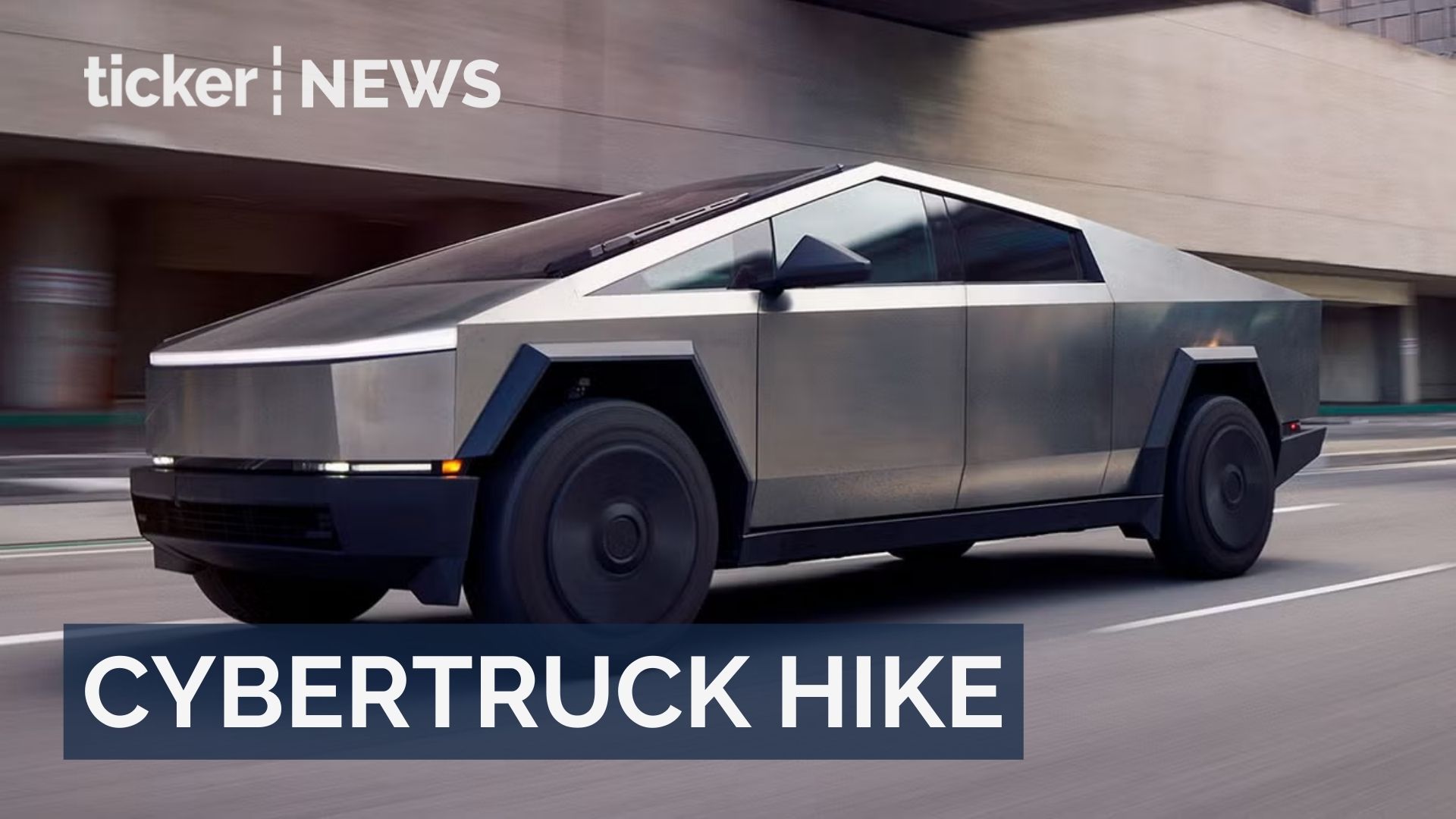
Unveiled in 2019, the Cybertruck immediately stood out from the crowd with its unconventional design. Its sharp angles, minimalist aesthetic, and stainless steel exoskeleton challenged the traditional norms of pickup truck design. While its appearance may have polarized opinions, the Cybertruck's specifications and performance capabilities are undeniable. With its powerful electric powertrain, it boasts impressive acceleration, towing capacity, and range, making it a viable alternative to traditional gasoline-powered trucks.
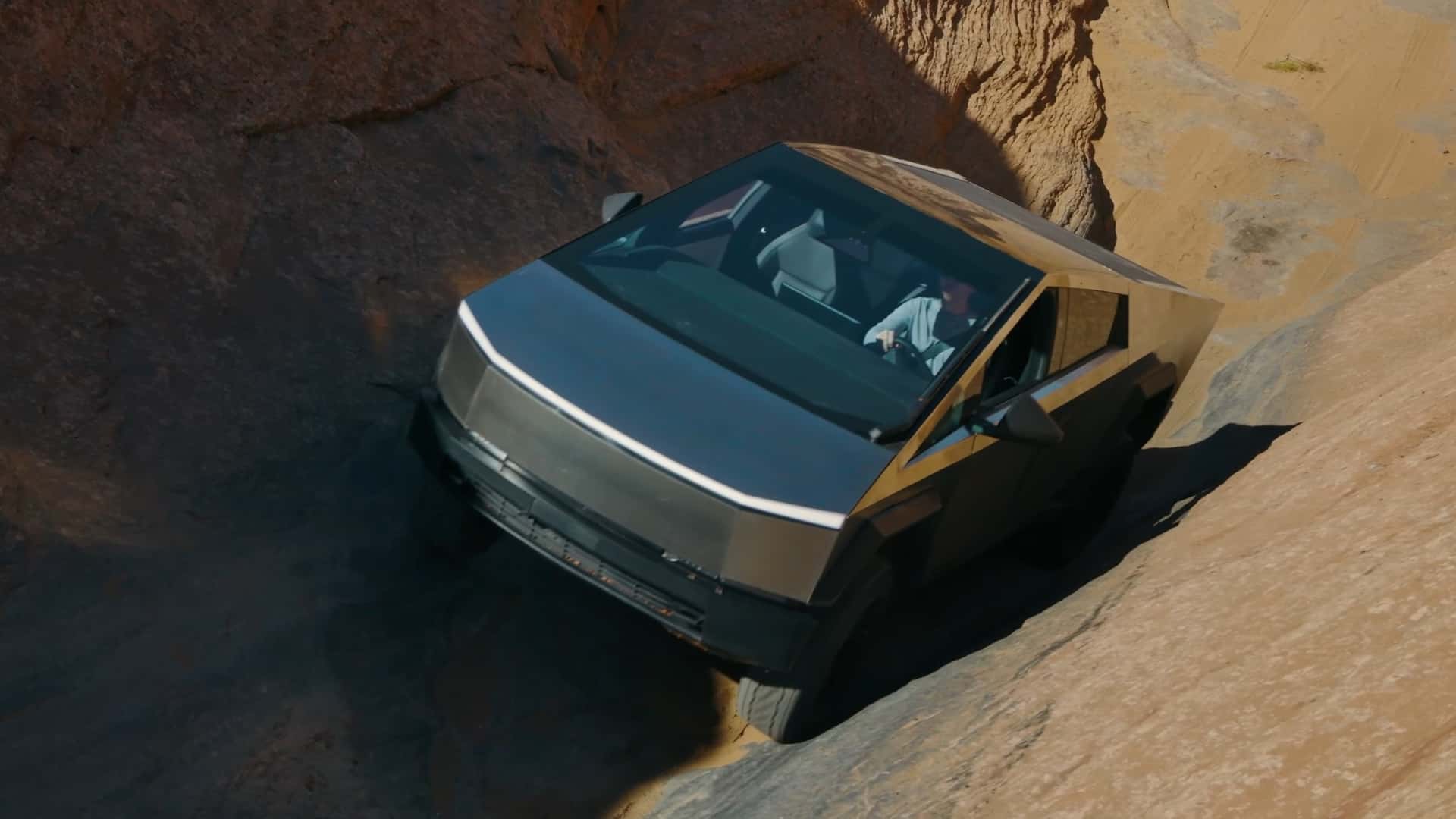
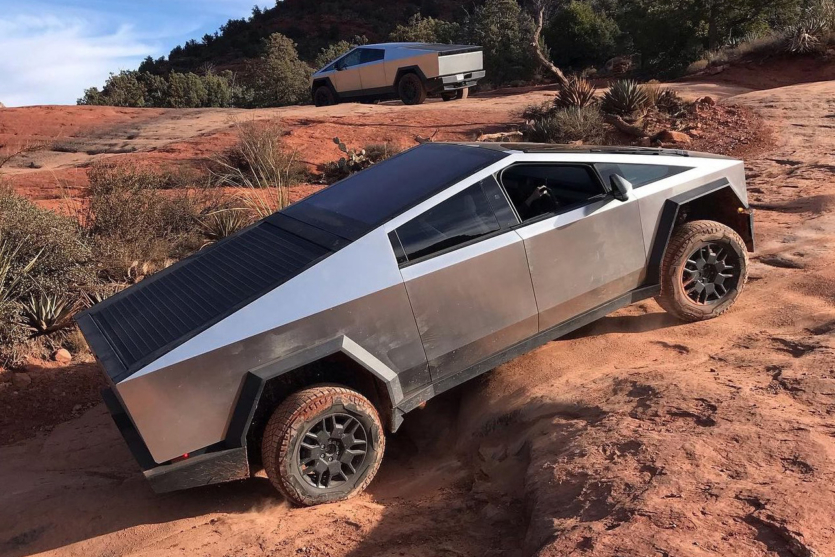
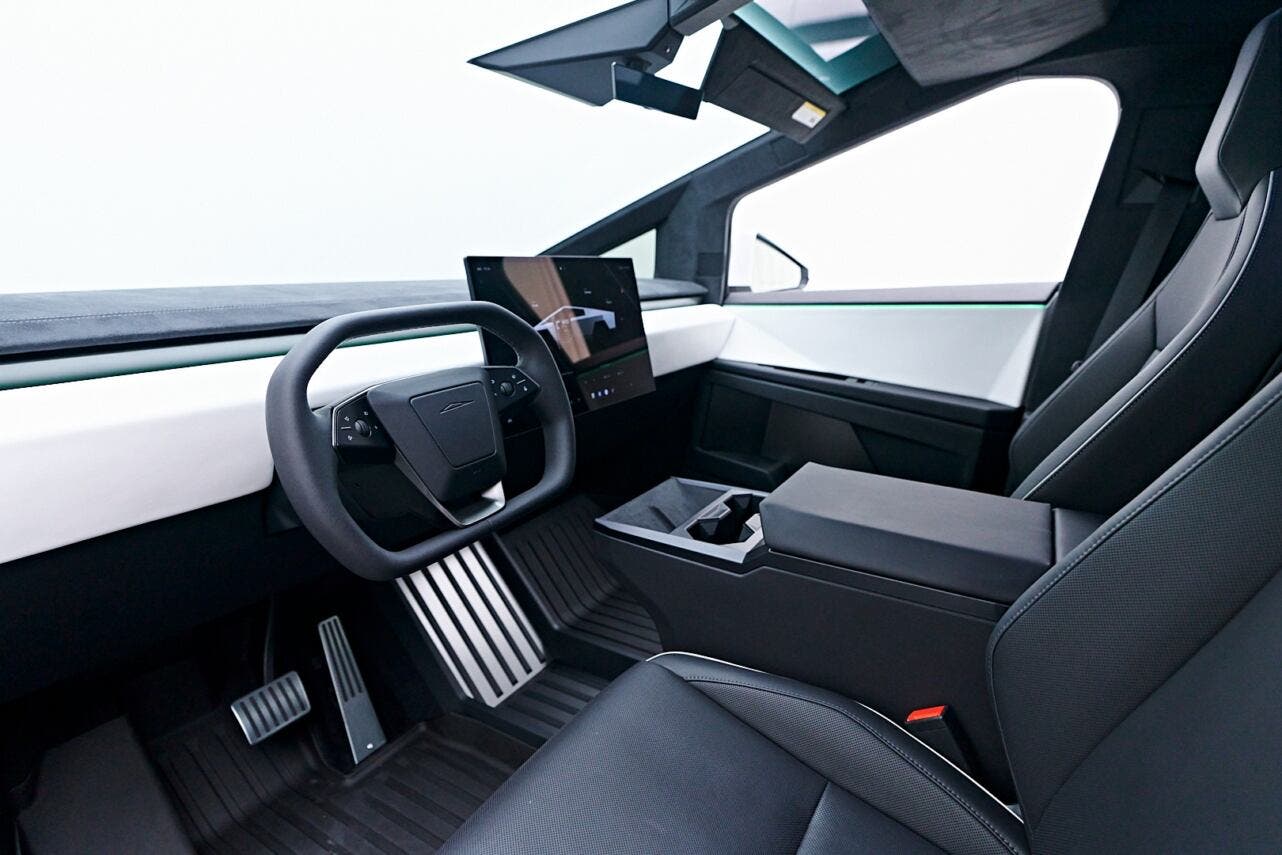
Beyond its performance, the Cybertruck's innovative features have also generated significant buzz. Its self-leveling suspension, adjustable ride height, and advanced driver-assistance systems promise to enhance both on-road comfort and off-road capabilities. The Cybertruck's spacious interior, equipped with a large touchscreen display and advanced connectivity features, provides a comfortable and tech-savvy workspace for drivers and passengers alike.
The Rise of All-Electric Work Vehicles
The Cybertruck's arrival coincides with a broader trend toward the electrification of work vehicles across various industries. From construction and agriculture to logistics and delivery services, businesses are increasingly recognizing the benefits of transitioning to electric fleets. Electric work vehicles offer several advantages over their gasoline-powered counterparts, including:
- Reduced Emissions: Electric vehicles produce zero tailpipe emissions, contributing to cleaner air and a smaller carbon footprint. This is particularly important for businesses operating in urban areas or environmentally sensitive regions.
- Lower Operating Costs: Electric vehicles have fewer moving parts than gasoline-powered vehicles, resulting in lower maintenance costs. Additionally, electricity is typically cheaper than gasoline, leading to significant fuel savings over the vehicle's lifespan.
- Improved Performance: Electric motors provide instant torque, resulting in quicker acceleration and better towing capacity compared to gasoline engines. This can enhance productivity and efficiency in various work applications.
- Quieter Operation: Electric vehicles operate much quieter than gasoline-powered vehicles, reducing noise pollution and creating a more comfortable work environment.
- Government Incentives: Many governments around the world offer incentives, such as tax credits and rebates, to encourage businesses and individuals to adopt electric vehicles.
The Impact on Industries
The rise of all-electric work vehicles has the potential to transform various industries, including:
- Construction: Electric construction equipment, such as excavators, loaders, and bulldozers, can reduce emissions, noise pollution, and operating costs on construction sites.
- Agriculture: Electric tractors, harvesters, and other agricultural machinery can improve efficiency, reduce emissions, and enhance sustainability in farming operations.
- Logistics: Electric delivery vans, trucks, and forklifts can reduce emissions, lower operating costs, and improve the efficiency of logistics and transportation services.
- Delivery Services: Electric delivery vehicles are ideal for urban environments, where they can navigate congested streets, reduce emissions, and provide quiet and efficient delivery services.
- Utilities: Electric utility trucks and vans can reduce emissions, lower operating costs, and improve the reliability of utility services.
Challenges and Opportunities
While the transition to all-electric work vehicles offers numerous benefits, it also presents several challenges:
- Higher Upfront Costs: Electric vehicles typically have higher upfront costs compared to gasoline-powered vehicles. However, government incentives and lower operating costs can help offset these initial expenses.
- Limited Range: The range of electric vehicles can be limited, especially when towing heavy loads or operating in extreme weather conditions. However, battery technology is constantly improving, and range anxiety is becoming less of a concern.
- Charging Infrastructure: The availability of charging infrastructure is still limited in some areas, particularly in rural or remote locations. However, governments and private companies are investing heavily in expanding charging infrastructure to support the growth of electric vehicles.
- Workforce Training: The transition to electric vehicles requires workforce training to ensure that mechanics, technicians, and operators are equipped to maintain and operate these new technologies.
Despite these challenges, the opportunities presented by the rise of all-electric work vehicles are significant. Businesses that embrace this transition can gain a competitive advantage, reduce their environmental impact, and improve their bottom line.
The Future of Work Vehicles
The Cybertruck's arrival marks a significant milestone in the electrification of work vehicles. As battery technology continues to improve, charging infrastructure expands, and government incentives increase, all-electric work vehicles will become increasingly viable and attractive for businesses across various industries.
In the future, we can expect to see:
- Greater Adoption of Electric Work Vehicles: As the cost of electric vehicles decreases and their performance improves, more businesses will transition to electric fleets.
- More Diverse Electric Work Vehicle Options: Automakers will introduce a wider range of electric work vehicles, including pickup trucks, vans, SUVs, and specialized vehicles for specific industries.
- Smart and Connected Work Vehicles: Electric work vehicles will be equipped with advanced sensors, connectivity features, and data analytics capabilities, enabling businesses to optimize their operations and improve efficiency.
- Autonomous Work Vehicles: As autonomous driving technology advances, we can expect to see the emergence of autonomous electric work vehicles, which can operate without human drivers, further enhancing productivity and efficiency.
Conclusion
The Cybertruck and the rise of all-electric work vehicles represent a significant shift in the automotive industry and the way we perform work. As businesses increasingly recognize the benefits of electric vehicles, we can expect to see a widespread adoption of these technologies across various industries. The transition to all-electric work vehicles will not only reduce emissions and lower operating costs but also improve productivity, efficiency, and the overall quality of our work environments. The future of work vehicles is electric, and the Cybertruck is leading the charge.















Comments
Post a Comment